Tesla Semi Wins Top Gear’s 2027 Tech Award as Production Scales
Top Gear honors the Semi as Tesla expands production, with up to 500 miles of range and 1.2 MW peak charging. The Roadster remains years from production.
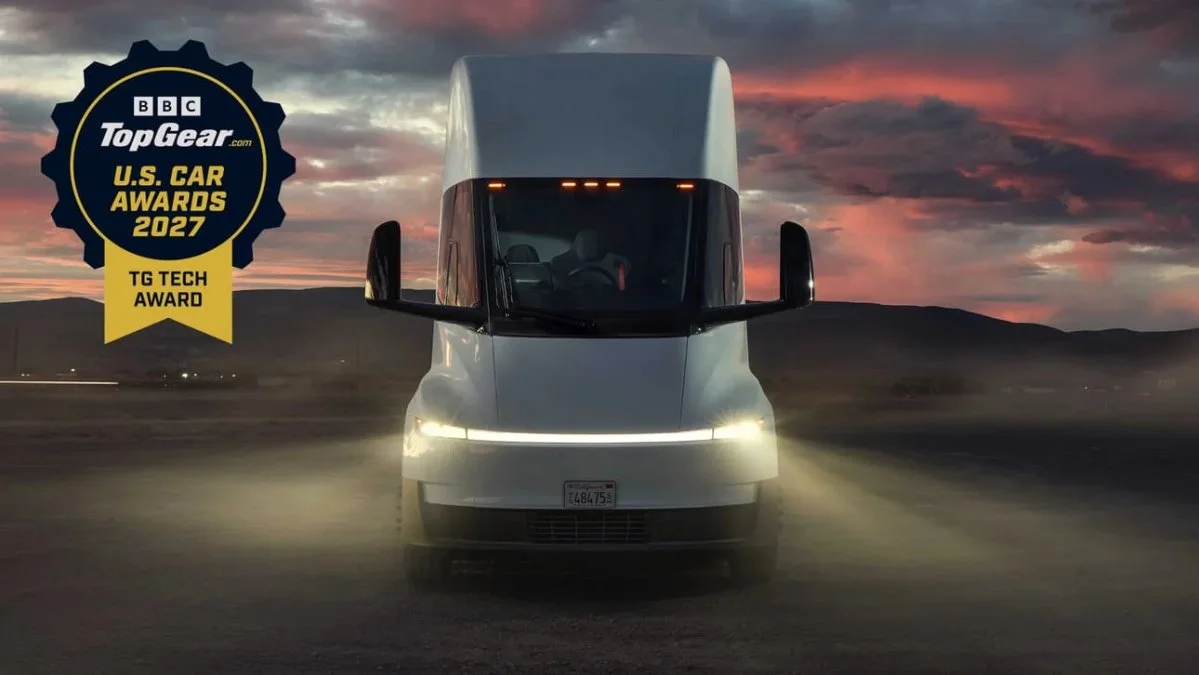
The Tesla Semi’s Top Gear award recognizes a truck moving from a long pilot phase toward larger scale production. It won the TG Tech Award in the publication’s U.S. Car Awards 2027, with Top Gear praising the Semi as an example of Tesla building vehicles with practical purpose. The award arrives as Tesla’s Nevada factory begins producing trucks and the company lays out plans for capacity of up to 50,000 a year.
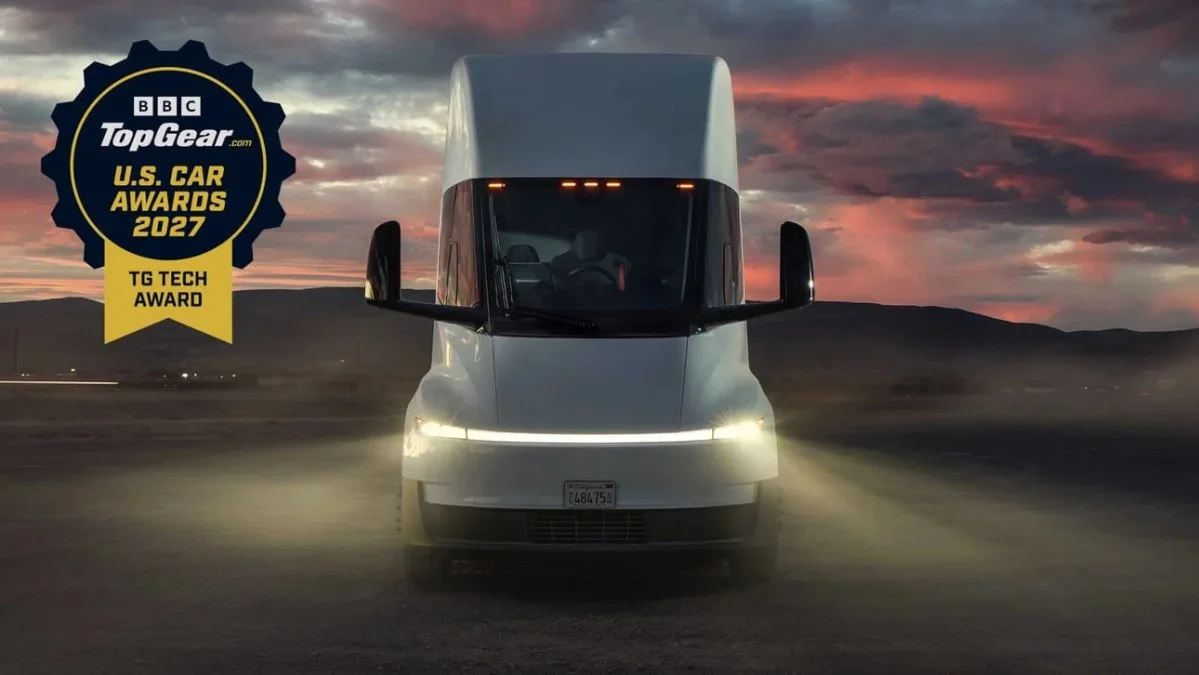
Top Gear described the Semi as a reminder of the company’s strengths, writing: “One thing is for sure: this is the version of Tesla we want to see. The version focused on making important vehicles that serve normal people brilliantly. Amid all the recent noise it’s become all too easy to forget what this company is capable of at its brilliant best. The Semi is a potent reminder.”

Range and charging set the operating question
Tesla unveiled a refreshed Semi last fall in Standard Range and Long Range configurations. The updated truck has a Model Y-style light bar, a claimed range of up to 500 miles and peak charging power of 1.2 MW. Those figures frame the Semi’s appeal for fleet operators: a long stated range paired with the prospect of short charging stops, provided the route and charging site can support them.
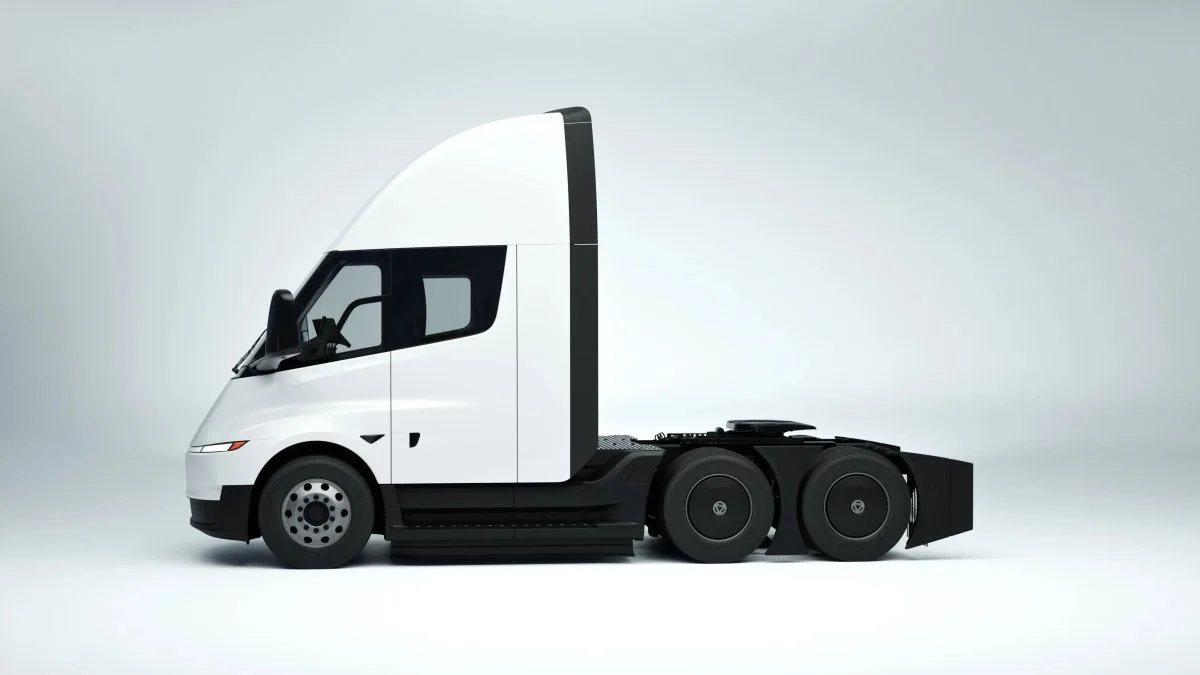
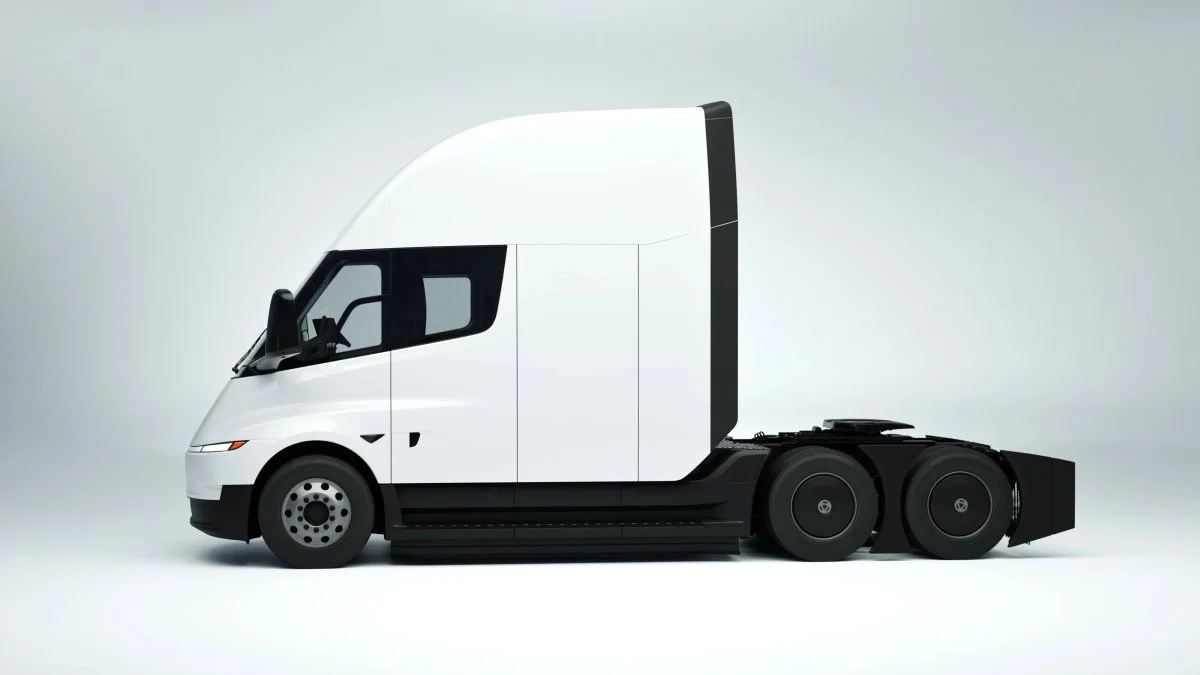
Peak charging power is only part of the ownership picture for a heavy truck. The useful measure for a fleet is how charging fits into a working route and how consistently vehicles can return to service. Tesla showed a Semi charging from 0 to 60% in 30 minutes on a Megacharger at its Nevada factory opening in September. That demonstration offers a concrete example of a charging stop, though the source does not give route conditions or other details that would establish how it compares with day-to-day fleet use.
Nevada production is the key next test
The first trucks came off Tesla’s new Nevada production lines earlier this spring. The company marked the opening of its 1.8-million-square-foot factory in September. Tesla says the plant can eventually produce up to 50,000 trucks annually, with every variant built on the same line. That planned capacity gives the Semi a path beyond limited fleet deployments, while leaving actual output and delivery volumes as the measures to watch.

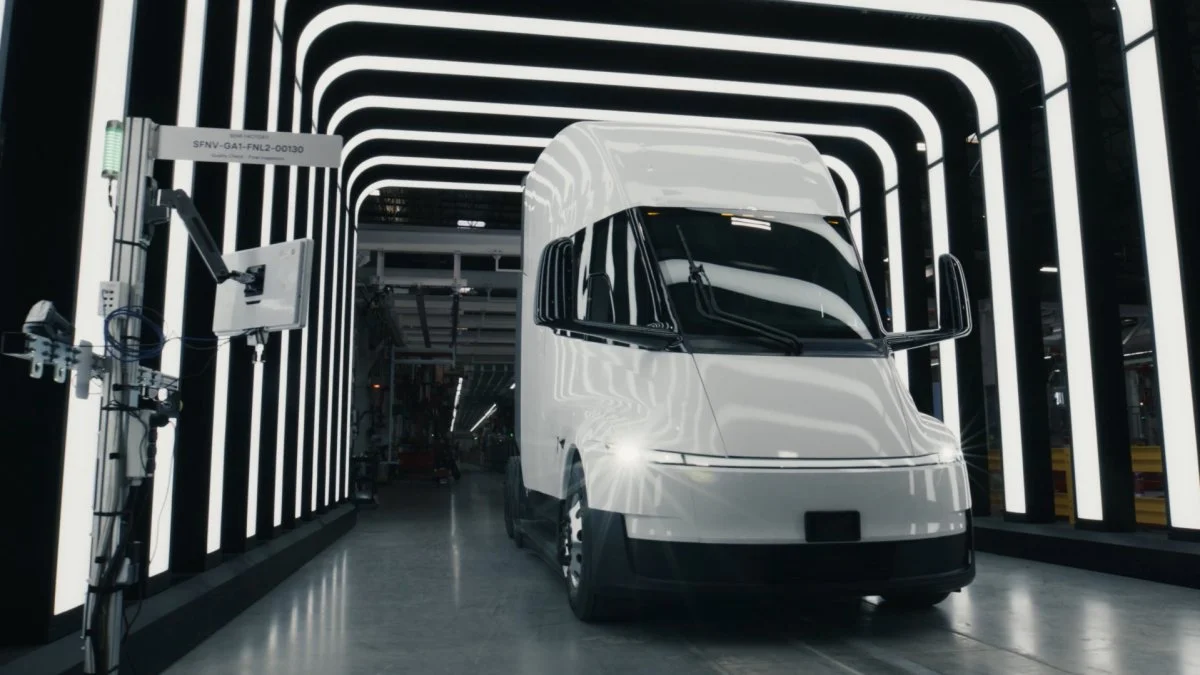
A shared production line for multiple versions could help Tesla increase output as demand and deliveries develop. For buyers, the practical questions will extend beyond the headline range: availability of the different versions, access to Megachargers on intended routes and how the truck performs in fleet service. The source provides no pricing, operating-cost figures or reliability record for the refreshed model, so those parts of the ownership case remain open.
Tesla also plans to begin deliveries of a European Semi version in 2027. That gives the truck a stated expansion path beyond its initial market, but the article does not specify delivery volumes or technical details for the European version. Its production on the same line could make factory capacity relevant to both markets.
An older truck fire remains unexplained
The award came days after an older Semi caught fire on a California highway without a collision. The truck was an earlier design, which has been operating with fleets including PepsiCo since late 2022. The cause has not been confirmed. That event concerns the earlier vehicle; the source does not establish a connection to the refreshed version or provide enough information to draw broader conclusions about reliability.
The Roadster has a longer wait
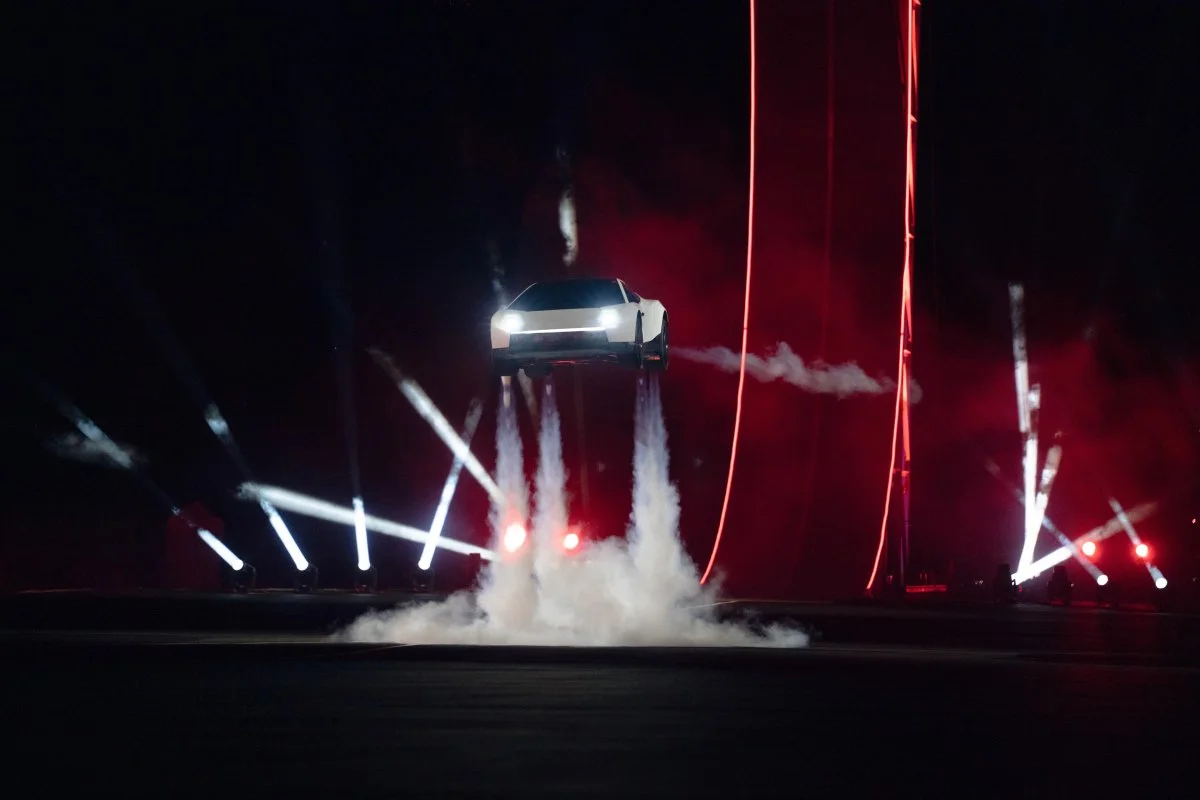
Tesla’s new Roadster missed Top Gear’s Supercar of the Year award, which went to the Chevrolet Corvette ZR1X. The Roadster has been unveiled, with Tesla’s event featuring a claimed 0–60 mph run in under one second and dramatic stunts. Those demonstrations have yet to become a production car buyers can drive: production is not expected to start until 2028.

The two awards therefore reflect very different stages of development. The Semi is entering higher-volume production, while the Roadster remains years from its expected start. For fleet buyers, the more immediate test is whether Tesla can turn its stated factory capacity, charging performance and range into dependable deliveries and useful working time. That will say more about the truck’s market prospects than an award alone.