BAW 212 H&R Lift Springs Add 40 mm of Front Ground Clearance
H&R’s BAW 212 springs raise the front by 40 mm and the rear by about 30 mm; the kit is listed at €557, with fitment paperwork still limited.
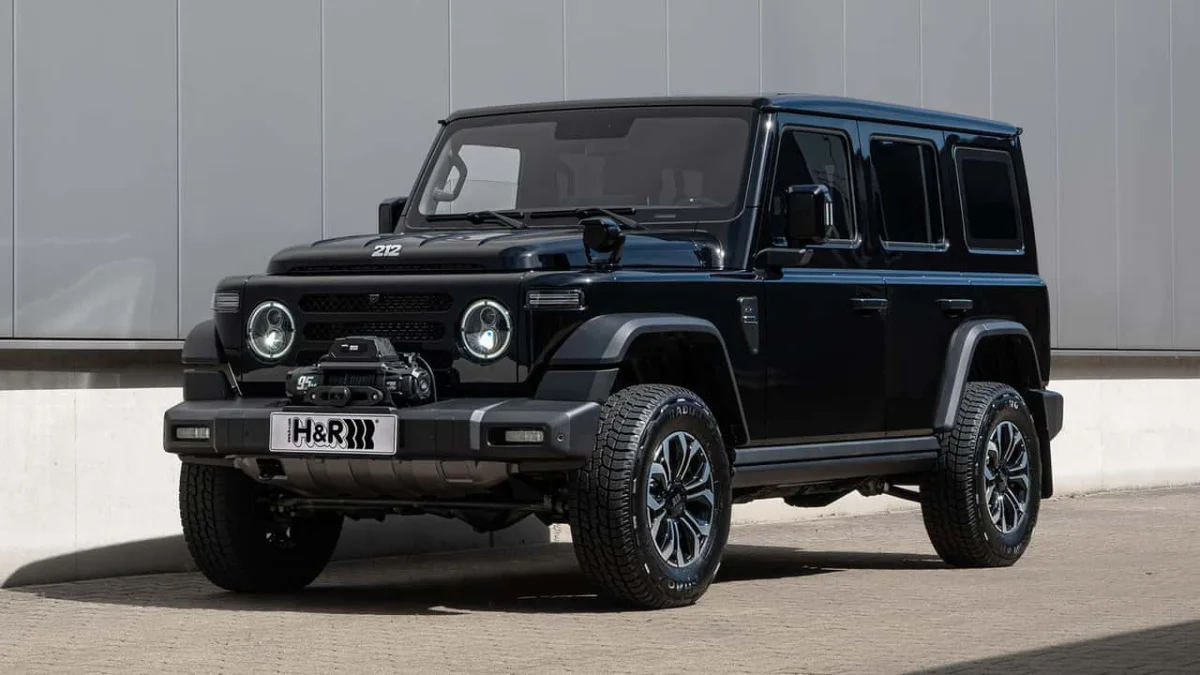
The H&R lift kit gives the BAW 212 a useful increase in ground clearance, with a larger rise at the front than at the rear. The purpose built springs add 40 mm at the front and about 30 mm at the back, while H&R says ride comfort, driving stability and payload capacity remain at standard levels. That combination makes the kit a targeted option for owners who want more clearance without changing the vehicle’s stated load capacity.
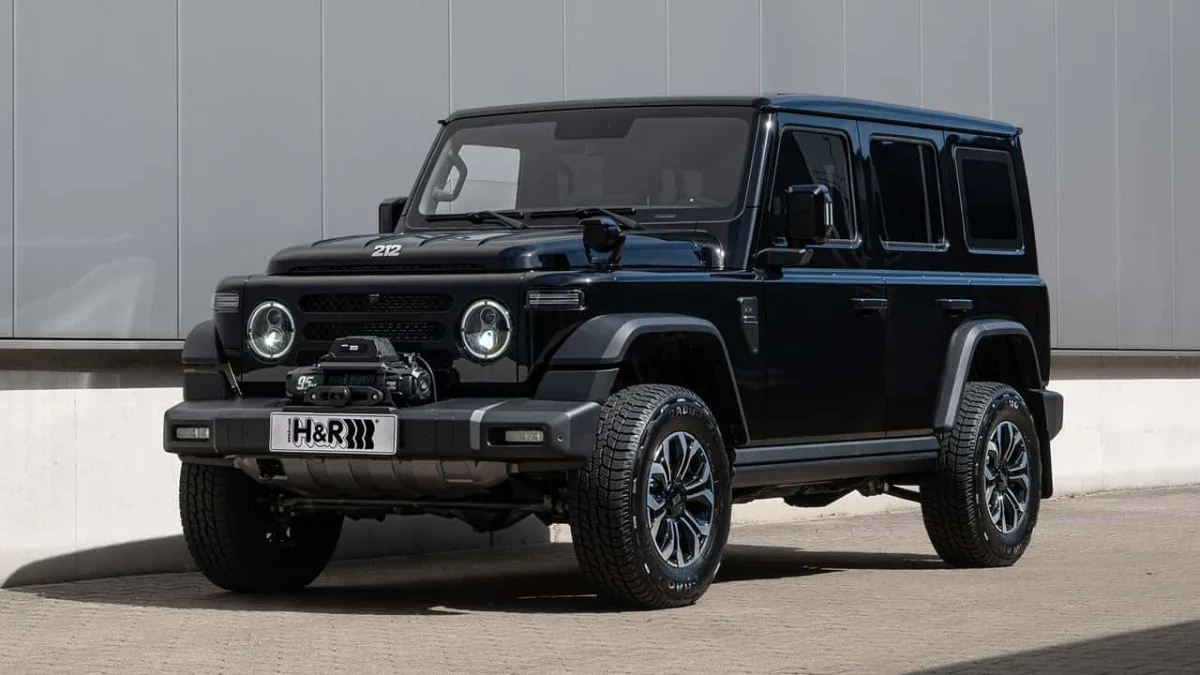
The BAW 212 is still a new arrival for European buyers, but its lineage in China stretches back more than 60 years. Its predecessors were developed for military use and have since built a reputation in their home market as durable off road vehicles. The H&R parts are designed around the 212’s specific suspension layout, rather than offered as a general lift solution.
Lift, fitment and listed price
H&R lists the springs for the BAW 212 Type T01-D with the 2.0 diesel engine and four wheel drive. The advertised lift is approximately 40 mm at the front axle and 30 mm at the rear. That front to rear difference is part of the specification; the source provides no additional measurements for approach, breakover or departure angles, so the clearance increase should be understood on those terms.
The listed price for the lift springs is €557, with the price dated October 2026. H&R also offers silver anodized “Trak+” wheel spacers for this model, starting at €227. Their stated widening begins at 46 mm per axle. These are separate components, so the spacer price and width should not be read as part of the spring kit specification.
For owners considering both parts, the distinction matters in practical use. The springs change ride height and ground clearance, while wheel spacers widen the track. The source does not provide details about compatible wheel and tire combinations, installation time, or any change in handling from either modification. Buyers should check the relevant fitment information for their exact vehicle before ordering.

Paperwork and reversibility
The available documentation for the springs is currently a technical report; no TTG is available. H&R states that a strength certificate is available for the wheel spacers. The source does not explain the approval process or provide further details about what documentation a particular owner may need, so the paperwork status is an important part of the purchase decision.
H&R says its products can be removed without leaving traces, which may be useful for leased vehicles that must be returned in their original condition. That statement addresses reversibility, but owners should still check their lease terms and confirm that the relevant parts can be removed and the vehicle restored as required.
The manufacturer says the raised setup retains standard ride comfort, stability and payload capacity. Those claims describe the intended result; the source offers no independent road test or measured comparison with the standard BAW 212. For buyers, the main concrete benefit is the specified extra clearance. How that feels on rough routes will depend on the vehicle, load and terrain.
What the upgrade changes for BAW 212 owners
For a vehicle aimed at off road use, a higher ride height can provide more space beneath the chassis when travelling over uneven ground. The BAW 212’s increase is modest in scale but clearly quantified: 40 mm at the front and about 30 mm at the rear. That gives prospective owners a defined figure to weigh against the cost and the available documentation, rather than relying on a vague promise of improved capability.
The package is narrowly specified for the 2.0 diesel, four wheel drive T01-D. No information is supplied about fitment on other versions, changes to suspension travel, or effects on fuel consumption and tire wear. Those details remain open questions for anyone comparing the kit with other modifications or planning regular off road use.
H&R is based in Lennestadt in Germany’s Sauerland region. The company says it employs around 100 people and makes suspension components for vehicles across a broad model range, as well as springs for industrial applications. It describes its catalogue as including lowering and coilover springs, dampers, sport and coilover suspension, wheel spacers and stabilizers, and says it supplies customers in more than 70 countries. Its range for the BAW 212 currently centers on the lift springs and the “Trak+” spacers.
For owners, the immediate takeaway is a defined increase in clearance paired with a stated price and a clear documentation caveat. The springs are designed for one listed BAW 212 specification, and H&R says standard payload capacity and driving qualities are retained. Before committing, buyers will want to confirm vehicle compatibility and understand the technical report available for the springs.