Tesla Update Disrupts Third-Party V2L Adapters, Leaving Older Models Without an Easy Workaround
Owners report that Tesla software 2026.38.5.1 cuts off third-party V2L adapters within minutes, while Tesla expands PowerShare to more models.
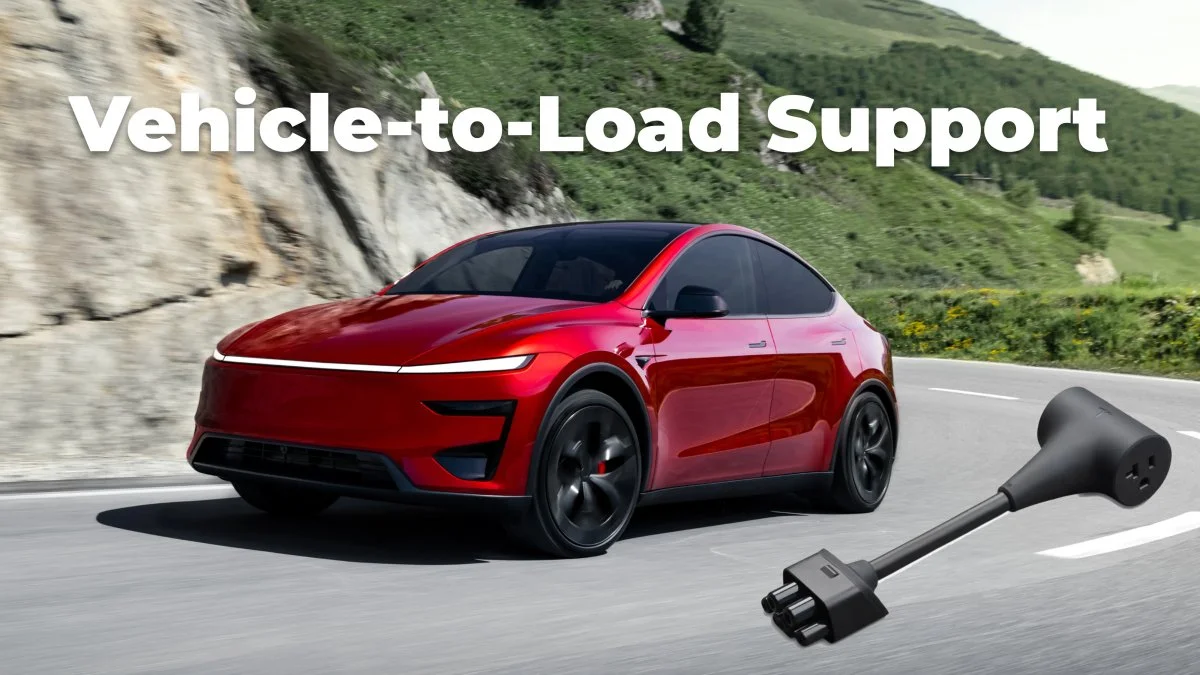
Tesla owners who rely on third-party vehicle-to-load adapters are reporting that software version 2026.38.5.1 ends their access to a useful battery feature. The adapters, which let a car supply power to external equipment, now reportedly shut down after a few minutes. For owners of older Teslas without PowerShare, that could leave no current way to run appliances, tools or camping equipment from the car.

The reports come from users on the Tesla Motors Club forum, who say the problem began with update 2026.38.5.1 and continues in later versions. The change arrives as Tesla extends its own PowerShare feature to more vehicles. Whether the timing reflects an intentional restriction or an unintended software change remains unclear.
Why owners used third-party adapters
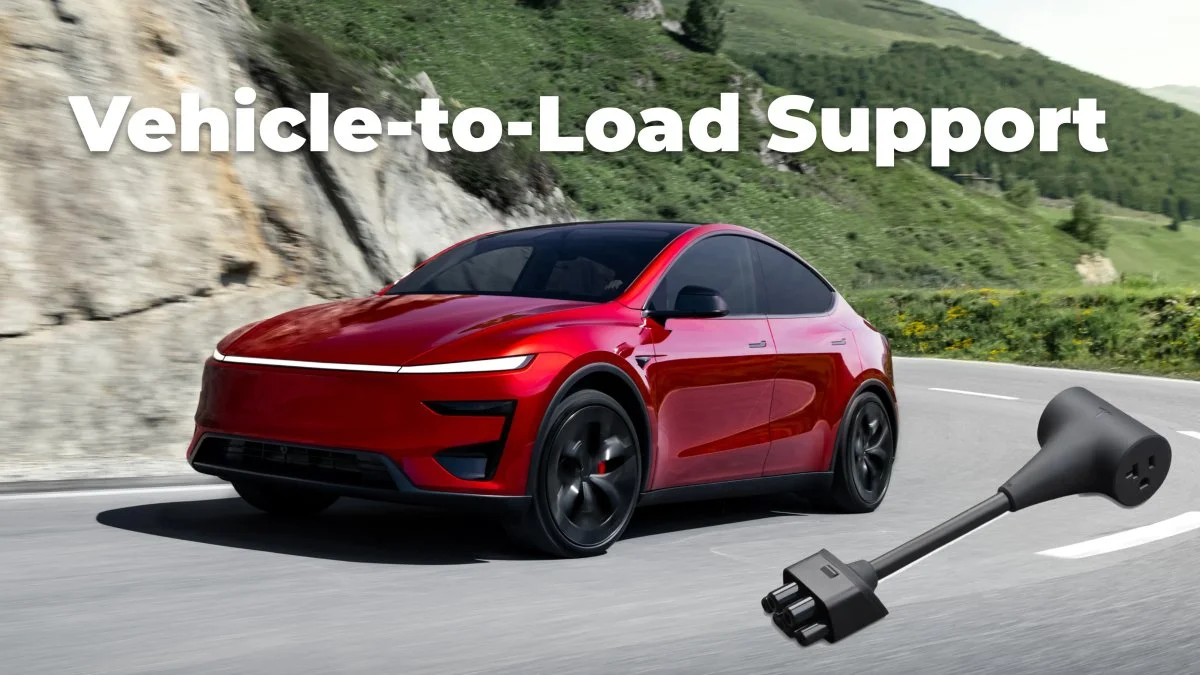
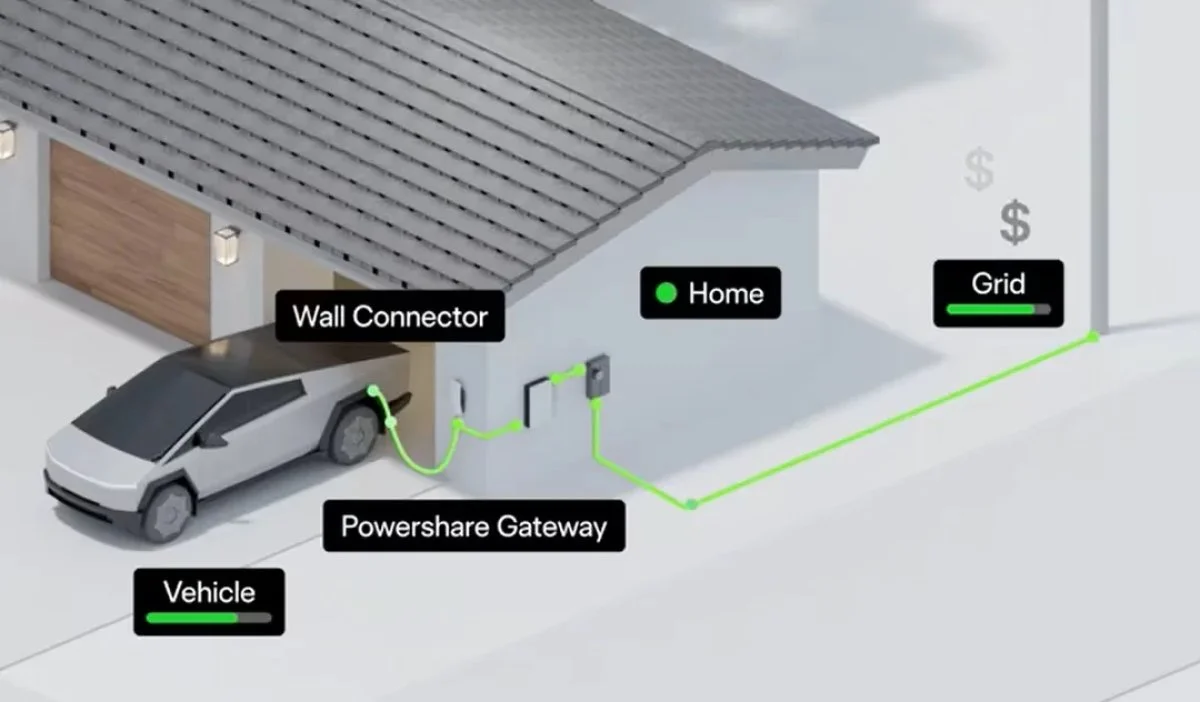
Vehicle-to-load, or V2L, uses energy stored in an EV’s battery to supply external devices. Tesla’s version, PowerShare, was previously available on the Cybertruck and a limited number of higher-specification Model Y trims. Third-party products from companies including Elejoy offered another route for owners whose cars did not have that feature.

These adapters connect through the vehicle’s CCS charging port. They prompt the car to start what its software treats as a DC charging session, then draw energy from the battery instead. The approach reportedly worked on vehicles dating back to a 2017 Model 3 fitted with a CCS retrofit. That made it particularly relevant to owners of older cars who wanted power access without a PowerShare-equipped model.
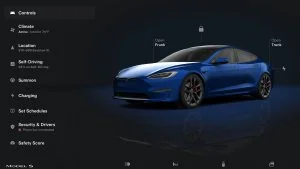
Using the equipment could take some preparation. A forum member who said they had used an adapter almost daily for more than a year and a half described switching off the air conditioning, pausing music, opening the charge port and starting Theater mode. They also partially closed the driver’s door before connecting the device. The routine was intended to keep the car awake while avoiding a shutdown triggered by closing the doors during discharge.
Short run times after the update
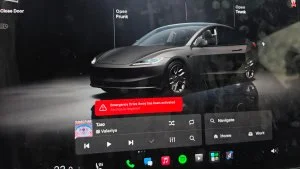
After installing 2026.38.5.1, the same owner reported a BMS_a076_SW_Dch_While_Charging fault followed by a shutdown. At a reported discharge rate of 3 kW, the system stopped after roughly three minutes. Other forum members described shutdowns after 15 to 20 minutes, regardless of how much power their equipment was drawing.
Owners also said that Camp Mode and Service Mode, which had served as workarounds, no longer kept the adapters running. The reports point to a problem that affects the car’s ability to sustain the session, rather than a simple limit tied to the connected device’s load. They are user accounts, however; the source provides no confirmation from Tesla about the cause or the scope of affected vehicles.
Forum members suspect the software may now check whether energy is actually entering the battery during a charging session. If that interpretation is right, a device that presents itself as a charger while drawing power could trigger the shutdown. That remains a theory from owners, not a confirmed explanation. One owner said Elejoy had supplied test firmware, but the new software had not resolved the issue.
What owners can expect next
The practical impact depends on the vehicle and the owner’s use. For someone who occasionally powered a small device, a short run time may be inconvenient. For people who counted on an adapter to keep equipment running for longer periods, an automatic cutoff makes the setup difficult to rely on. The source does not give a tested range of compatible models or identify a dependable workaround for the affected software.
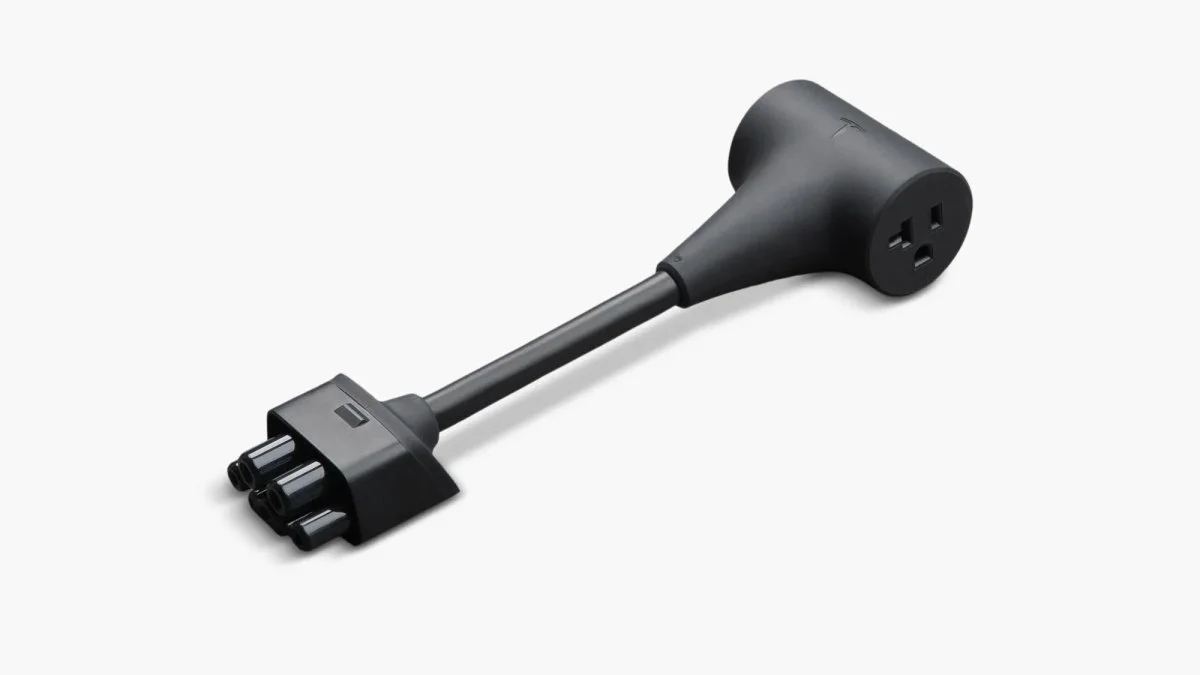
Tesla has been expanding PowerShare beyond its earlier limited availability, including with a compact adapter for Model Y and support for entry-level Model 3 and Model Y trims. That growing coverage could reduce the number of owners who need a third-party solution over time. It does little for drivers with older vehicles that still lack Tesla’s system, though, and the reports leave those owners with fewer options for drawing power from their cars.
For now, owners who depend on these adapters have a clear reason to check their software version before updating, while recognizing that the reports do not establish whether every vehicle or adapter is affected. Device makers are searching for a fix, but if Tesla’s software has changed how it validates charging sessions, recreating the previous behavior may prove difficult. The key question is whether Tesla or adapter makers can confirm the cause and restore sustained V2L access for cars without PowerShare.