Tesla Cybercab Uses Color-Infused Plastic After Testing Film Alternatives
Tesla chose color-infused plastic for the Cybercab after testing two film methods, aiming to remove the paint shop from its modular production process.
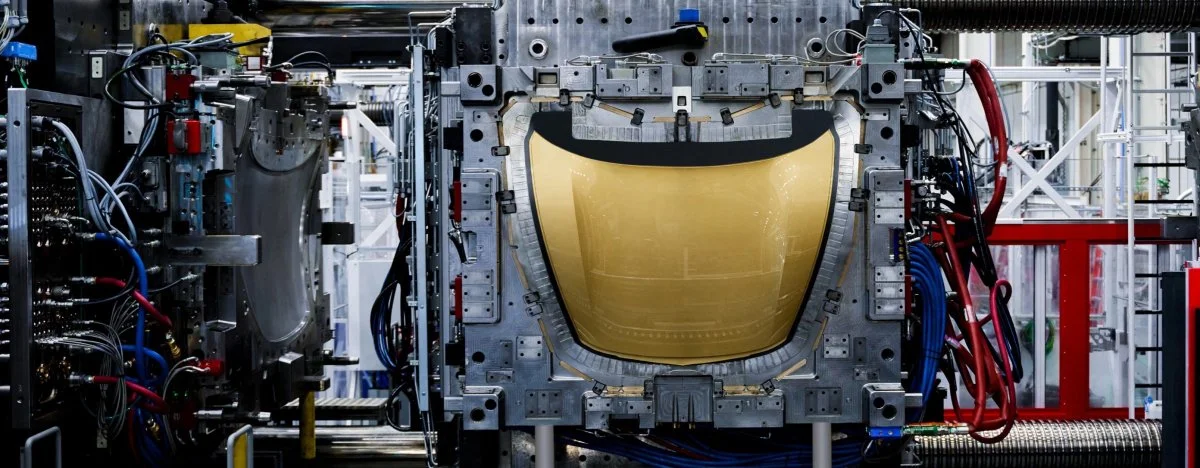
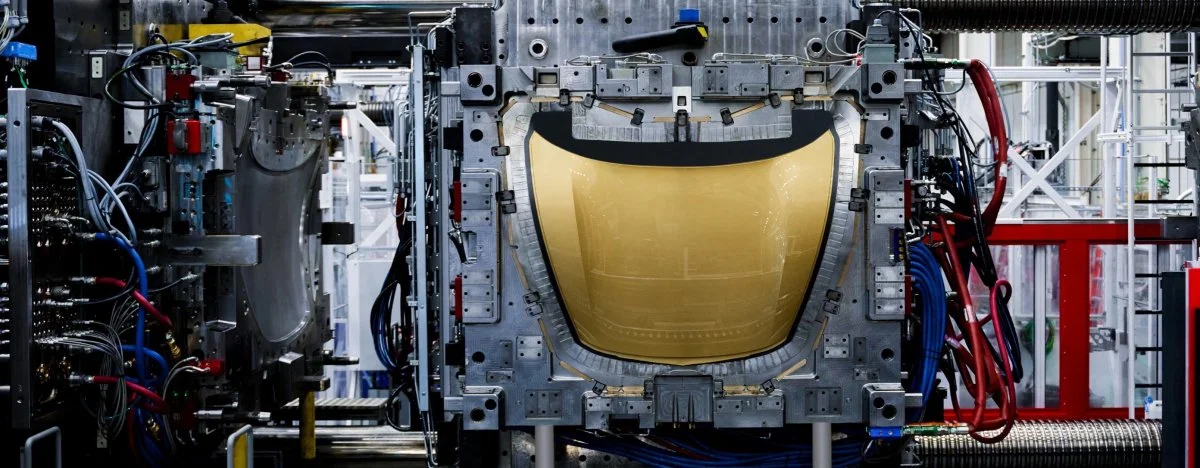
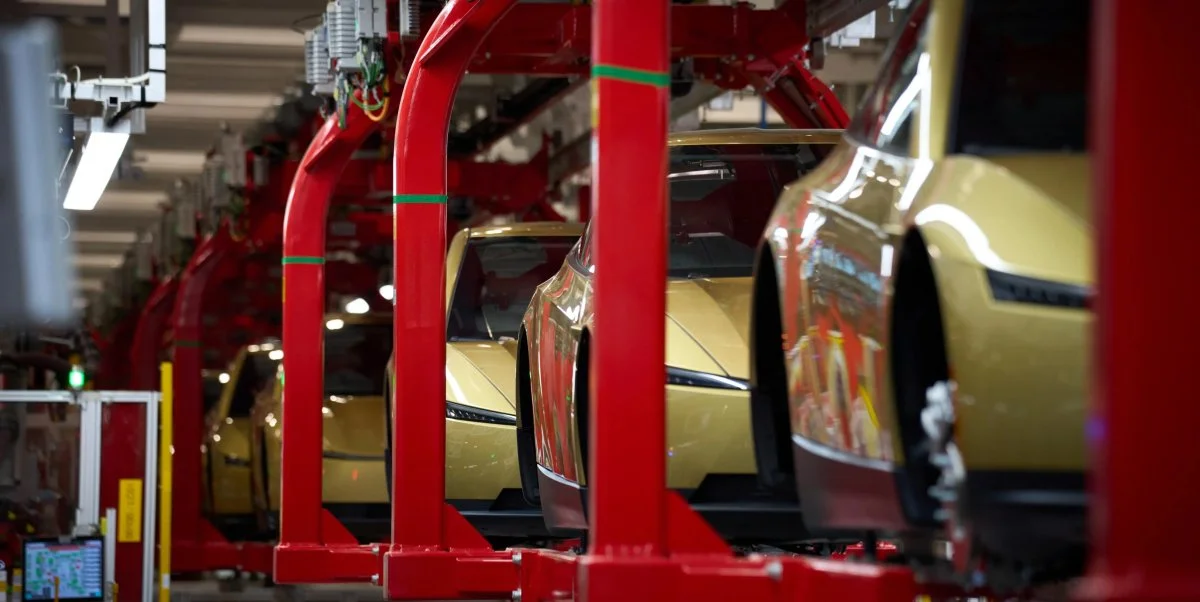
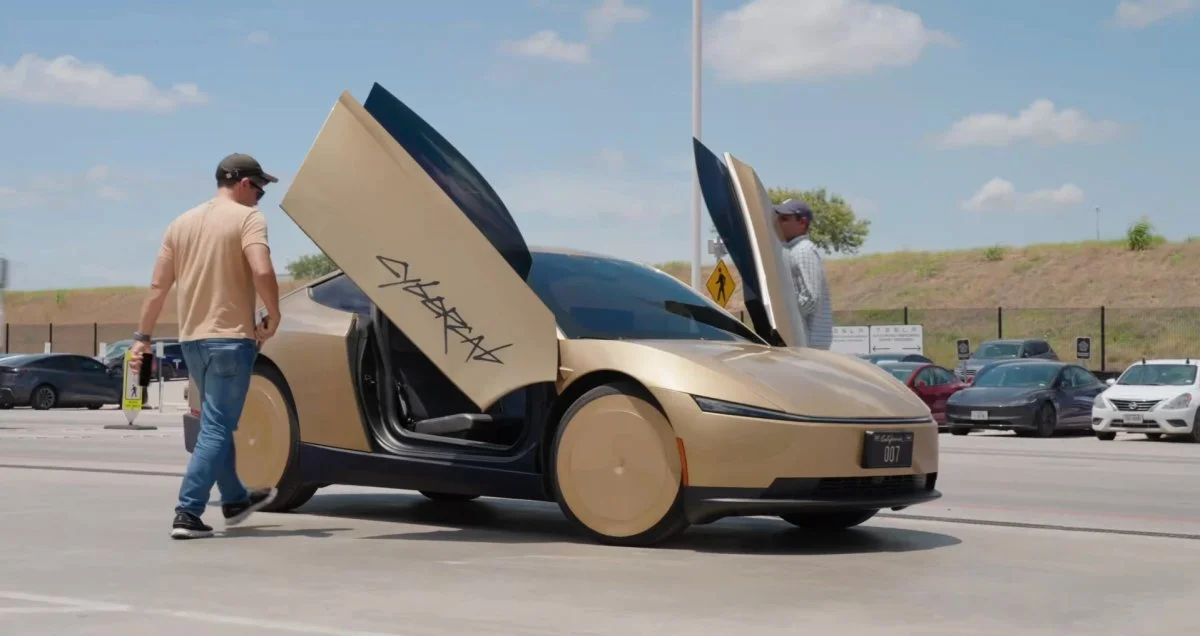
Tesla’s Cybercab gets its color from plastic panels molded with pigment throughout, a manufacturing choice that also lets the vehicle bypass a traditional paint shop. The company considered two film based alternatives before settling on reaction injection molding (RIM), according to Tesla engineers speaking with Munro Live.

The decision ties the vehicle’s exterior finish to its manufacturing layout. Tesla is building the Cybercab from separate front, rear, floor and side modules that join late in assembly. Sending those pieces through a conventional paint process would require assembling them into a body shell first, working against the modular approach.
Removing a costly factory stage
Engineering VP Lars Moravy described a paint shop as one of the most expensive parts of a factory. He said building one can cost a few hundred million dollars and take around a million man-hours. The team’s question, as he put it, was why the Cybercab needed paint at all.
For the Model 3 and Model Y, Tesla builds a full body shell and paints it before fitting parts through its openings. The Cybercab’s separate modules change that sequence. A paint shop would add a step and require the modules to be brought together for painting, then split apart or handled around the process so production could continue. RIM gives Tesla a way to apply color while forming the panels instead.
Tesla has said the modular process could eventually support production of one Cybercab every 10 seconds at full capacity. That is a stated potential rate, not a current output figure. The manufacturing choice matters because any added handling or process stage has to fit a production system designed around separate modules coming together near the end.
Two film approaches came close
RIM wasn’t Tesla’s only route to a painted appearance. One method the team explored was in-mold lamination: a vinyl film goes into the mold, and plastic is formed onto it. The second approach used a painted film applied to a stamped panel, pressed into place and folded over the panel’s edges.
Tesla pursued both far enough to begin using in-mold lamination on the Semi. The company said RIM ultimately suited the Cybercab because it can be used across panels with different shapes, is fast and cost-effective, and requires only an added step within molding equipment Tesla already uses.
That distinction is specific to the production setup described by the engineers. Film methods involve putting a separate layer onto or into a panel, while RIM puts color through the plastic itself. Tesla’s explanation points to the value of using an existing molding process for multiple shapes; it doesn’t establish that the same method would suit every vehicle or every exterior panel.

Color through the panel changes repair prospects
The team said the molded finish avoids “orange peel,” the uneven texture associated with some painted surfaces. It also said a scratched panel can be repaired in a similar way to a panel finished in a conventional paint shop. Because the color extends through the material, a small scratch won’t expose a differently colored layer underneath.
That could make minor surface damage less visually obvious, though the engineers’ comments don’t provide details on repair procedures, costs or how larger damage would be handled. Nor do they describe long-term durability testing. The practical ownership picture will depend on how the material holds up and how repair shops work with it once Cybercabs enter broader use.
Tesla also said it removed e-coat, used on the Model Y and Cybertruck, from many areas of the Cybercab. The company’s stated reason is that aluminum alloys in its castings don’t oxidize and lose strength over time in the same way as many other alloys, so those castings don’t require a coating. That explanation applies to the specified alloys and areas; it doesn’t mean the whole vehicle is free of coatings.
What the choice could mean beyond Cybercab
Tesla said it would try to bring the ideas to future vehicles, but didn’t identify which models or provide a schedule. The Cybercab is therefore a production example to watch: if the approach works at scale, the company may have a reason to adapt its color process elsewhere. For now, its strongest case rests on the match between molded panels and a vehicle assembled from modules.
The engineers also said the Cybercab is designed to run “half a million miles at least.” That target puts the panel material in a different context from a typical privately owned car: a vehicle intended for extensive use will face repeated exposure to wear and repair needs. The source doesn’t report a completed service life or evidence that the finish has already met that distance.
At the time described, Cybercab production was outpacing Tesla’s ability to deploy the vehicles, which were operating on the Robotaxi network in Austin. The company was aiming to start rides in Dallas the following month and to deliver its first customer Cybercabs before year-end. Those plans put the manufacturing method in a live setting, but the measure to watch is whether the modular process and molded finish can support consistent output as deployment grows.
For buyers and industry watchers, the interesting detail isn’t simply that the Cybercab has no conventional paint shop. Tesla has aligned the panel material, color application and assembly sequence around the same production idea. Its next test is showing that the approach remains practical through higher volumes, everyday wear and repairs.