Proposed EV Credit Would Reach $15,000, but Faces a Long Path
A proposed bill would double federal EV credits and expand charging incentives, but it has no cosponsors and remains at an early stage.
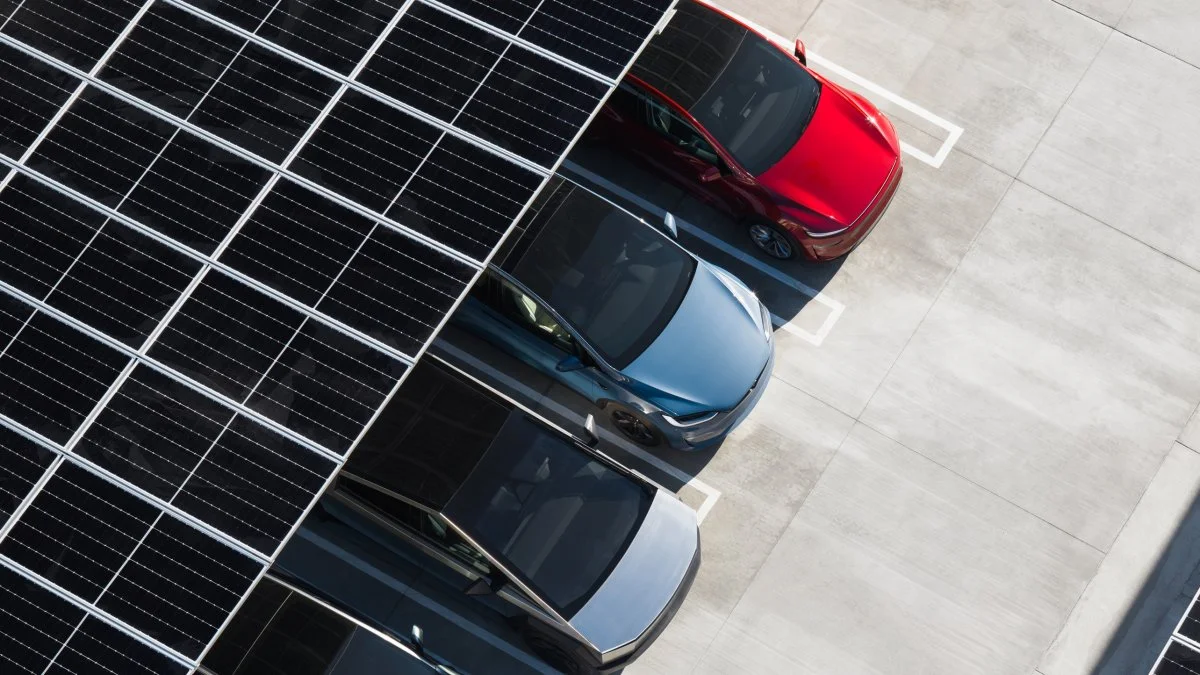
A proposed federal tax credit of up to $15,000 could reshape EV affordability if it advances, but buyers shouldn’t count it into their plans today. Rep. Greg Landsman introduced the 21st Century Vehicle Choice Act on October 22, proposing larger credits for new and used electric vehicles and home charging equipment. The bill is at an early stage, and the source article’s later update says it has no cosponsors.

What the proposal would change
The bill would raise the credit for a new EV from $7,500 to $15,000. For a used EV, it would increase the credit from $4,000 to as much as $8,000. Eligible charging equipment would also receive a larger incentive: the proposed share of qualifying costs rises from 30% to 50%.

Those headline amounts come with conditions. The proposal retains the two-part structure used under the Inflation Reduction Act of 2022, tying portions of the new-vehicle credit to battery components and critical mineral sourcing. Each portion would double. A vehicle would need to meet both sets of requirements to qualify for the full $15,000; meeting only one would leave it eligible for only part of the proposed amount.
Income limits would also apply. Under the bill, the new EV credit would be limited to households earning no more than $225,000 for married couples filing jointly, $169,000 for heads of household, and $112,500 for single filers. Those thresholds, along with the battery sourcing tests, mean the top-line figure would not apply to every buyer or every vehicle.
Why the terms matter to buyers
A larger credit could lower the effective purchase cost of an eligible vehicle, particularly for shoppers comparing an EV with a similarly priced gasoline model. But the practical value would depend on a buyer’s income, the vehicle’s eligibility and the bill’s final terms. The proposed charging equipment incentive could also reduce the cost of setting up home charging, though the source does not specify which equipment or expenses would qualify.
For used EV shoppers, a potential credit of up to $8,000 would be a notable change from the previous $4,000 maximum described in the bill. That could make a wider range of pre-owned vehicles more accessible, but the proposal does not provide enough detail here to assess which used models would qualify or how the credit would work at the point of sale.

The bill’s sponsor, Landsman, said the proposal is intended to lower costs and give families more choices. Coltura, a group backing the measure, said drivers who cover the most miles “could save over $4,000 a year by switching to an EV.” That is the group’s estimate for high-mileage drivers; the article provides no assumptions or comparison method, so it should not be treated as a typical saving for every owner.
Possible effect on automakers and sales
The previous $7,500 credit was scheduled to end, and the source says buyers accelerated purchases ahead of its expiration, contributing to record U.S. EV sales in the third quarter of 2025. A permanent credit at twice that amount could provide a stronger reason to consider an electric model, while giving automakers a clearer demand signal if the incentive actually took effect.
That prospect would matter across the market. Tesla and Rivian, whose lineups focus on EVs, could benefit from more buyers able to absorb the purchase price. Ford and GM could also see a reason to revisit affordable electric models after slowing their EV plans, as the source describes. The proposal itself doesn’t guarantee higher sales or new product launches; those outcomes would depend on consumer response and how manufacturers choose to invest.
Legislative status remains the key uncertainty
The article’s initial account said more than 160 House Democrats backed the measure, but an update dated October 31 corrected that detail. The reported group of more than 160 supporters was associated with a different proposal, while Landsman’s bill had no cosponsors at the time of the update. That correction changes the picture of the bill’s support and is central to judging its near-term prospects.
The proposal has been referred to House committees. It would still need to pass both chambers and receive the President’s signature before any buyer could claim the proposed credits. Landsman introduced a nearly identical bill in October 2024, and that version did not advance out of committee.
For now, the federal EV credit described in the source is no longer available. The new proposal lays out a larger incentive package, but its value to drivers depends first on whether it attracts support and advances. Buyers comparing vehicles today should treat the $15,000 figure as a proposed amount, not a discount they can currently claim.