Tesla Plans to Use Optimus to Plug In Robotaxis Before Wireless Charging Arrives
Optimus could handle Robotaxi charging at Superchargers while Tesla develops wireless charging and builds out its Austin fleet hub.
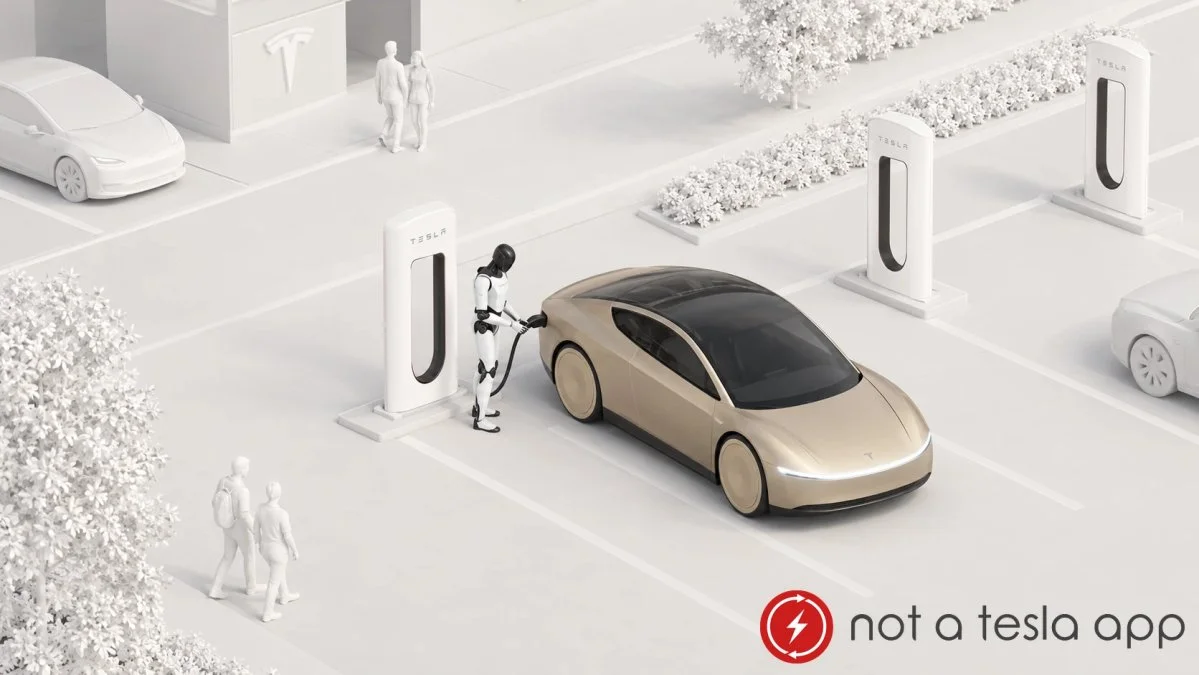
Tesla’s driverless cars can reach a Supercharger on their own, but keeping them charged still takes human labor. The company now says its Optimus humanoid robot could take over the plug-in task while Tesla develops wireless charging for its Robotaxi fleet. That makes Optimus a practical bridge between today’s charging setup and a more automated depot operation.
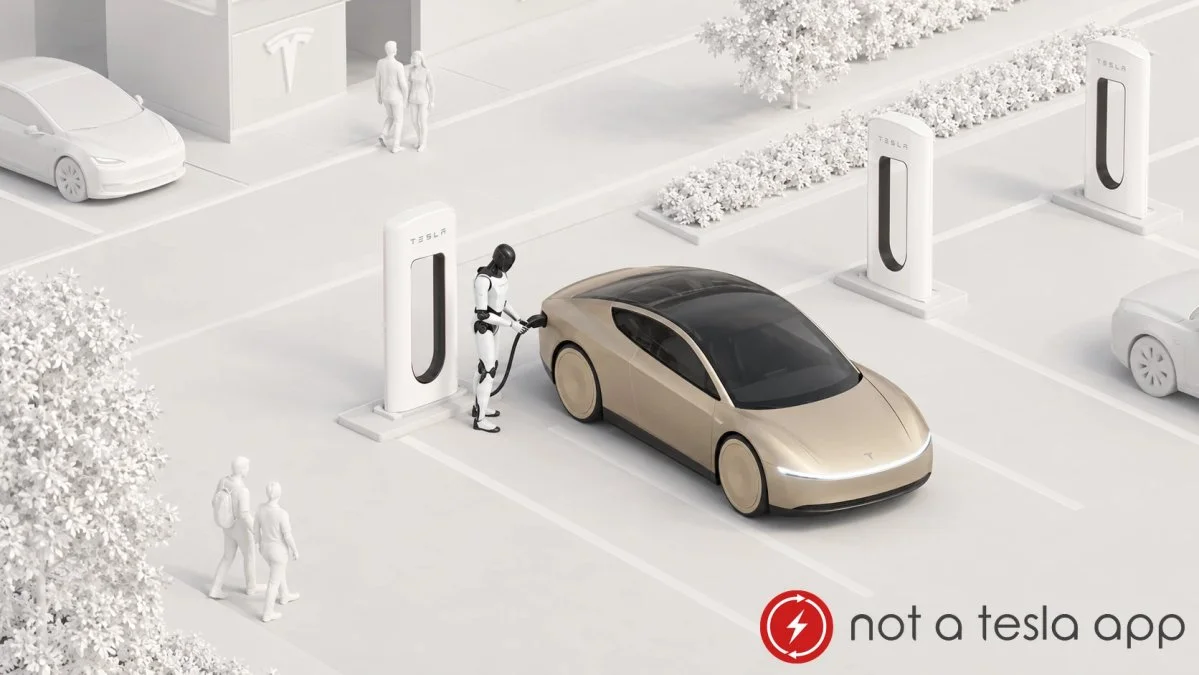
In an interview with Munro Live, Tesla Vice President of Vehicle Engineering Lars Moravy and Cybercab lead Eric Earley discussed using Optimus at Robotaxi sites. They said the robot could help with charging “shortly,” though they gave no deployment date or details about how many robots might be assigned to the work.

Charging remains a hands-on fleet task
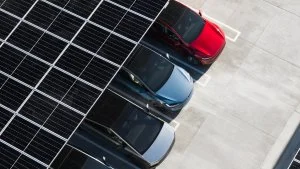
For now, Tesla employees plug in Robotaxis as they arrive at Supercharger locations. A recent video from an Austin site showed an employee connecting Cybercabs and Model Y robotaxis, then repositioning some cars that had stopped too far from a charging stall. That small operational detail points to the work involved: vehicles have to be parked within reach, connected, and later moved when they are ready to return to service.
Adding a robot could reduce the need for staff to perform that repeated task, but it would still leave the fleet dependent on plug-in charging and the layout of existing sites. The source provides no estimate of charging time, labor savings, or how Optimus would handle cars that are poorly positioned. Tesla’s comments describe a planned role, rather than a demonstrated charging system already operating at scale.
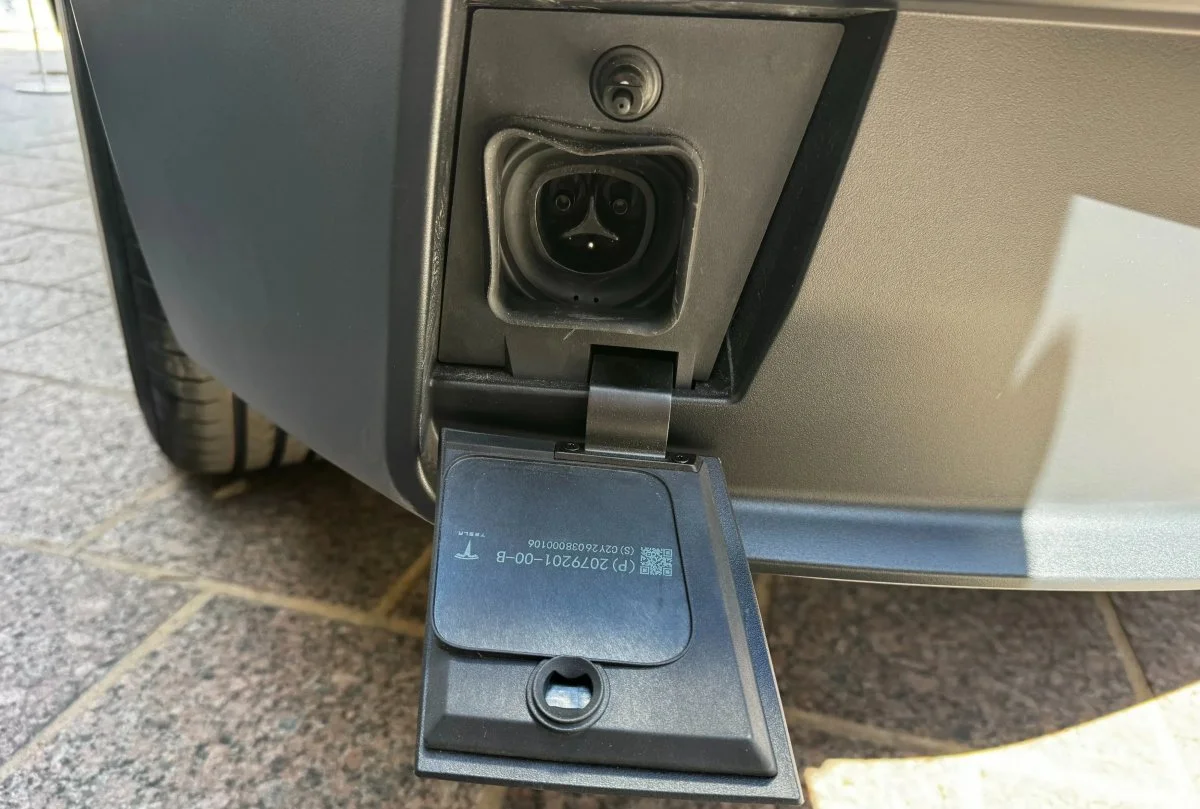
The Cybercab’s current hardware makes the need for a Supercharger clear. It does not support AC charging, so it relies on DC charging infrastructure and retains a NACS charge port concealed in the rear bumper. Moravy and Earley said the port was kept so the vehicle could use the network already in place while Tesla works on a different approach.
That choice links the Cybercab’s design to the rollout of Tesla’s fleet service. A vehicle that depends on dedicated wireless equipment would need compatible sites ready before it could operate without a conventional charging connection. Retaining a plug gives Tesla a way to charge the cars using existing equipment in the meantime, with employees handling the connection today and Optimus potentially taking that task next.
Wireless charging is the intended next step
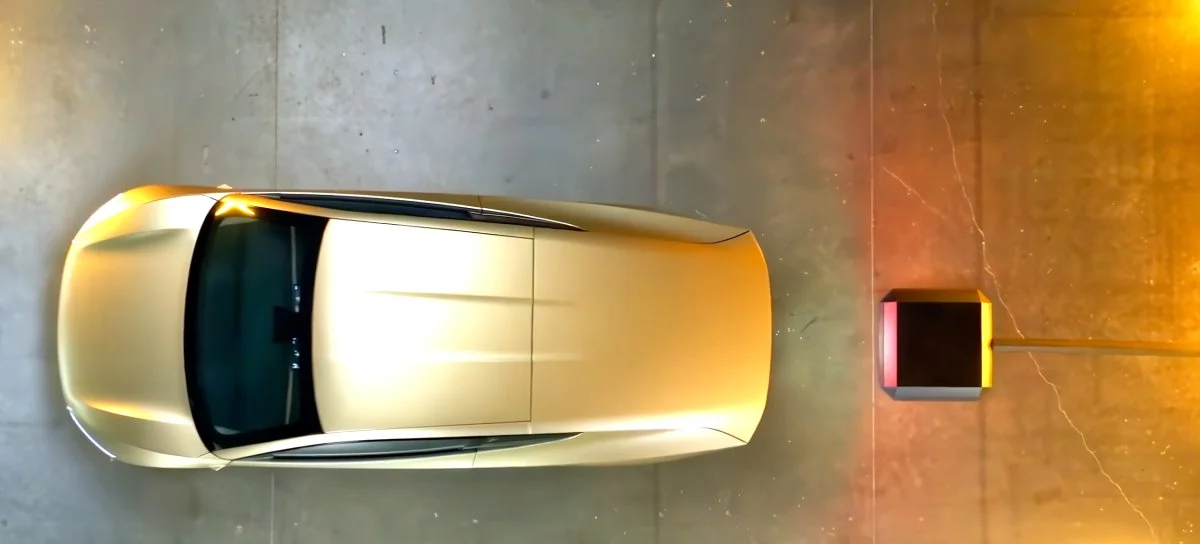
Tesla has described Optimus as a temporary solution for plugging in vehicles. The longer-term plan is automated wireless charging, which would remove the need for a person or humanoid robot to connect a cable. The Cybercab is designed to support that system, and Tesla is planning an Austin Robotaxi hub with 80 wireless chargers. The company has also received approval for wireless Cybercab charging equipment.
The planned hub gives the idea a concrete footprint, but the source does not say when the chargers will be ready or when vehicles will begin using them. Nor does it provide charging power, charging times, or the expected share of the fleet that could use the equipment. Those details will matter to the service: a charging method has to fit the pace of vehicle returns and departures, as well as the site’s parking arrangement.

Optimus adds another step to that transition, rather than completing it. Tesla began early production of the humanoid robot at its Fremont factory, with first deliveries to corporate customers planned for 2027. The timing suggests that wireless Cybercab charging may take longer to reach routine fleet use. Tesla has not supplied a schedule for either Optimus at Robotaxi sites or wireless charging across its service areas.
Charging could be one job among several
Robots were already part of Tesla’s plans for Robotaxi hubs. The company has shown a car-cleaning robot and has started installing cleaning robots at fleet sites, where vehicles are expected to dock for charging and routine upkeep between trips. The new comments are the first reported mention of Optimus as part of the Robotaxi workflow.
Moravy and Earley also suggested Optimus might help service vehicles or support delivery work. They connected Cybercab, Optimus, and Robovan as parts of what they called “physical AI.” That broader ambition matters to the fleet operation, but the immediate job under discussion is much narrower: connect cars to chargers while they wait between rides.
For buyers and fleet operators watching the project, the practical question is how quickly Tesla can move from a staffed Supercharger stop to a site where vehicles charge with little intervention. Optimus could ease the manual workload in the interim, but wireless charging is the change that would remove the plug-in step altogether. Until Tesla provides deployment dates and operating details, Robotaxi charging remains a staged plan: employees handle it now, Optimus may follow, and wireless equipment is the longer-term target.