Tesla and SpaceX Merger Talks Face a High Bar for Tesla Shareholders
Independent committees are discussing a possible Tesla-SpaceX merger, but no terms exist and Tesla would need backing from half of all outstanding shares.
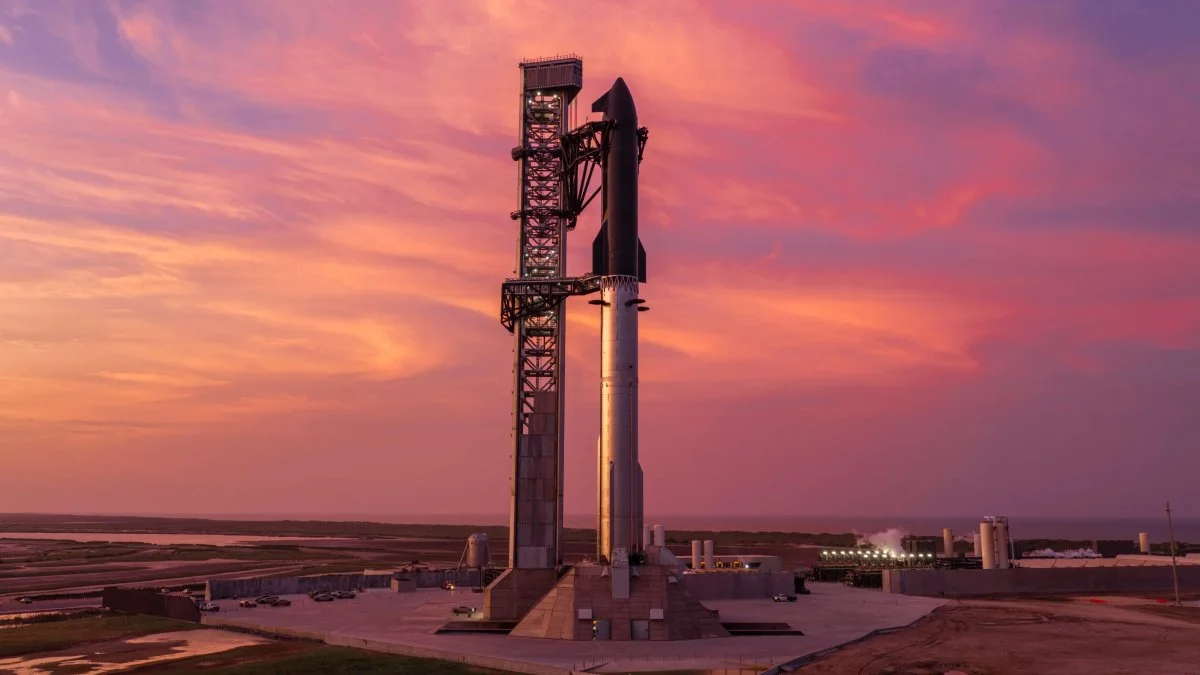
A possible Tesla-SpaceX merger has moved from speculation to formal discussions, but the path to a deal remains uncertain. Both companies have formed committees of independent directors to examine the idea, and Elon Musk says he will stay out of their talks because of his conflict of interest. He supports a combination, but the committees have yet to settle on terms, and any transaction would need shareholder approval at both companies.
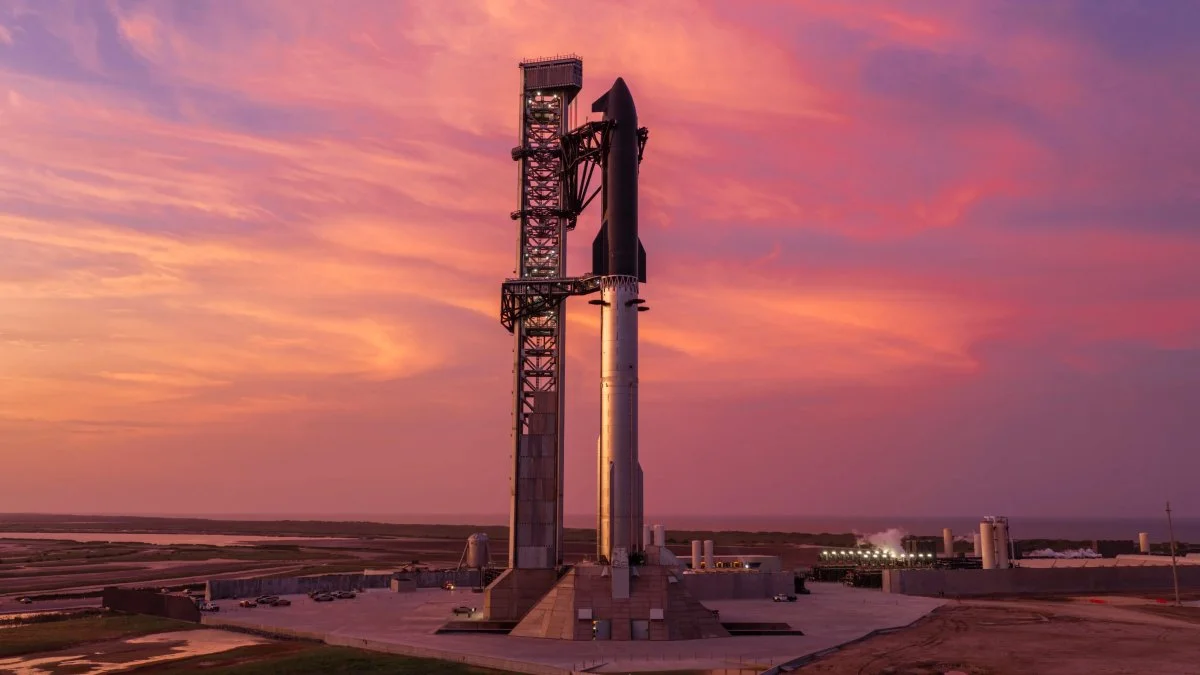
The biggest practical hurdle appears to be at Tesla. Musk said approval would require support from holders of 50% of all outstanding shares, including shares whose owners do not participate. He described that threshold as “quite a high hurdle.” At SpaceX, Musk holds more than 50% of the voting power, making approval there a different proposition. The two companies have therefore entered discussions with sharply different shareholder dynamics.
Talks are early, and approval is not assured
Musk disclosed the committees during SpaceX’s third-quarter 2026 earnings call on Oct. 20, saying they were formed at shareholders’ request. He also cautioned that their existence should not be read as evidence that an agreement is close. The committees have not agreed on the terms of a transaction, and there is no guarantee they will reach an agreement at all.
That distinction matters. A formal review creates a channel for the companies to assess a combination, but it doesn’t establish a price, structure, or timetable. Those details would shape what shareholders are being asked to approve, and none has been set out in the source account. Until the committees produce proposed terms, the discussions remain exploratory.
Tesla’s annual shareholder meeting is scheduled for Dec. 3, 2026, but its proxy materials do not include a merger proposal. Any consideration of a deal would therefore come later. Musk also did not discuss the subject during Tesla’s own third-quarter earnings call the following day. Tesla’s investor relations team said executives would not address the merger, and Musk said he had already made the points he wanted to make.


Existing ties give the idea a business context
The companies already have commercial and technical connections, which helps explain why a combination has attracted attention. In 2025, SpaceX bought about $506 million in Tesla Megapacks and $130 million in Cybertrucks. Those purchases show a customer relationship at meaningful scale, though they don’t by themselves establish that combining the companies would create further value.
The businesses are also involved in Terafab, a chip fabrication project with Intel. And Tesla’s new Roadster was developed with SpaceX: its optional cold gas thrusters, along with rocket-inspired paint and glass, make that relationship visible in the car itself. These links span energy storage, vehicles, chip production, and product development. A merger would bring those activities under one corporate roof, but the source provides no proposed operating plan or explanation of how the companies would be integrated.
SpaceX’s corporate history adds another layer. The company acquired xAI in February and went public in June, according to the source. That sequence gives the merger discussions a broader company context, but it does not answer how a deal with Tesla might be structured or what the combined organization would prioritize. Those questions depend on terms the committees have not yet produced.
Shareholder pressure adds urgency, not certainty
Some Tesla shareholders are urging the board to move faster. A letter asking it to fast-track a deal gathered 6,493 signatures representing more than 17.5 million shares. Organizers planned to deliver the letter to the board on Oct. 26. That support demonstrates interest among the letter’s signers, while the required approval threshold means the committee process still has to win a much broader base of backing.
For buyers and industry observers, the near-term takeaway is that a merger remains a possibility rather than a completed plan. The committees’ next disclosures would need to clarify who is advising them, what structure they are considering, and whether either company has put forward proposed terms. Until then, the companies’ existing commercial ties are concrete; the combined business remains hypothetical.
The central question is no longer whether the idea has been raised: both boards have established committees to examine it. The test will be whether those discussions produce terms that can clear the unusually demanding approval threshold described for Tesla and gain support at SpaceX as well.