Tesla Robotaxi Report Logs 3.1 Million Miles and Names Four Next Cities
Tesla reports 3.1 million autonomous miles through October 18 and lists Las Vegas, Jacksonville, Phoenix and San Antonio as planned markets.
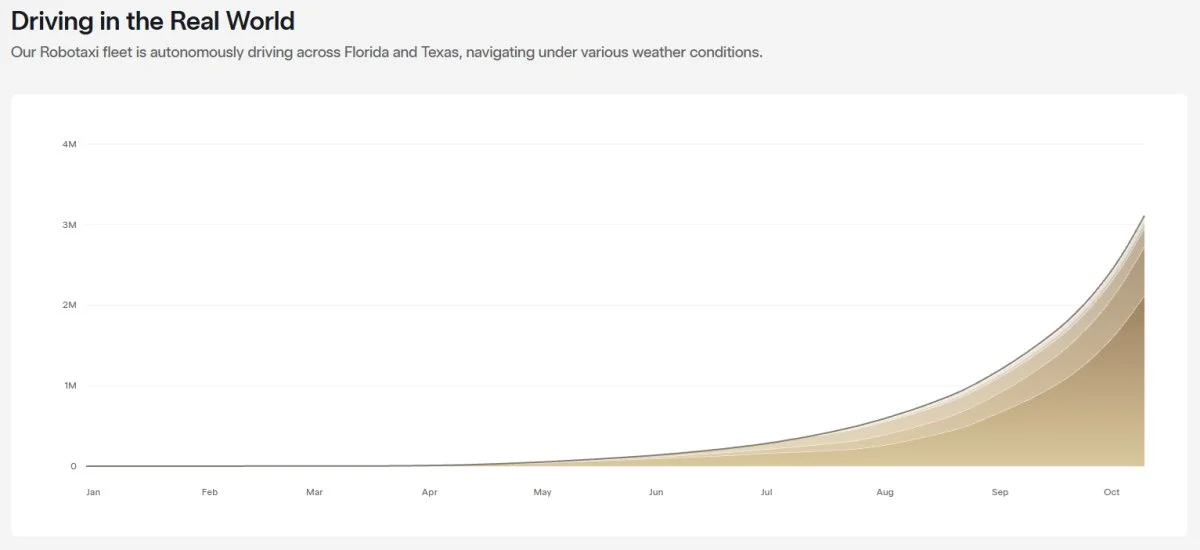
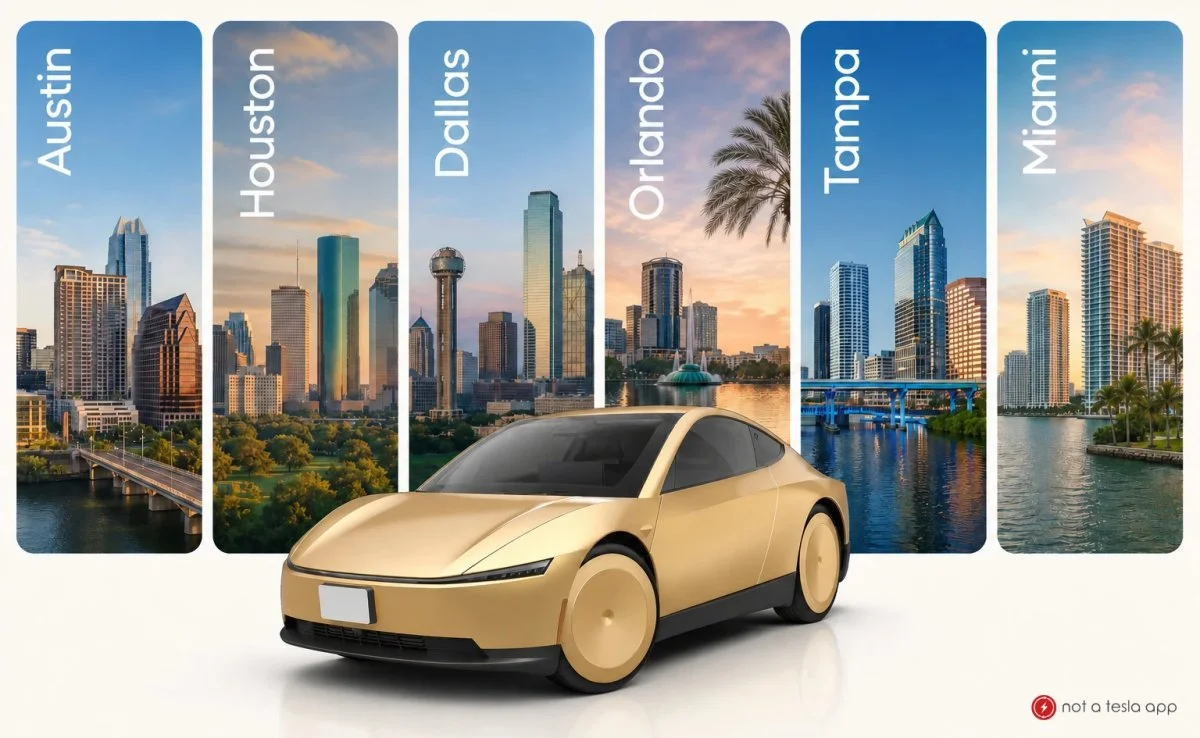
Tesla’s new Robotaxi report puts two measures of its rollout in one place: where the company plans to expand and how far its fleet has driven. The data covers January 22 through October 18, 2026, and records 3.1 million autonomous miles across six listed markets. Tesla also names Las Vegas, Jacksonville, Phoenix and San Antonio as coming cities, though it gives no start dates for them.

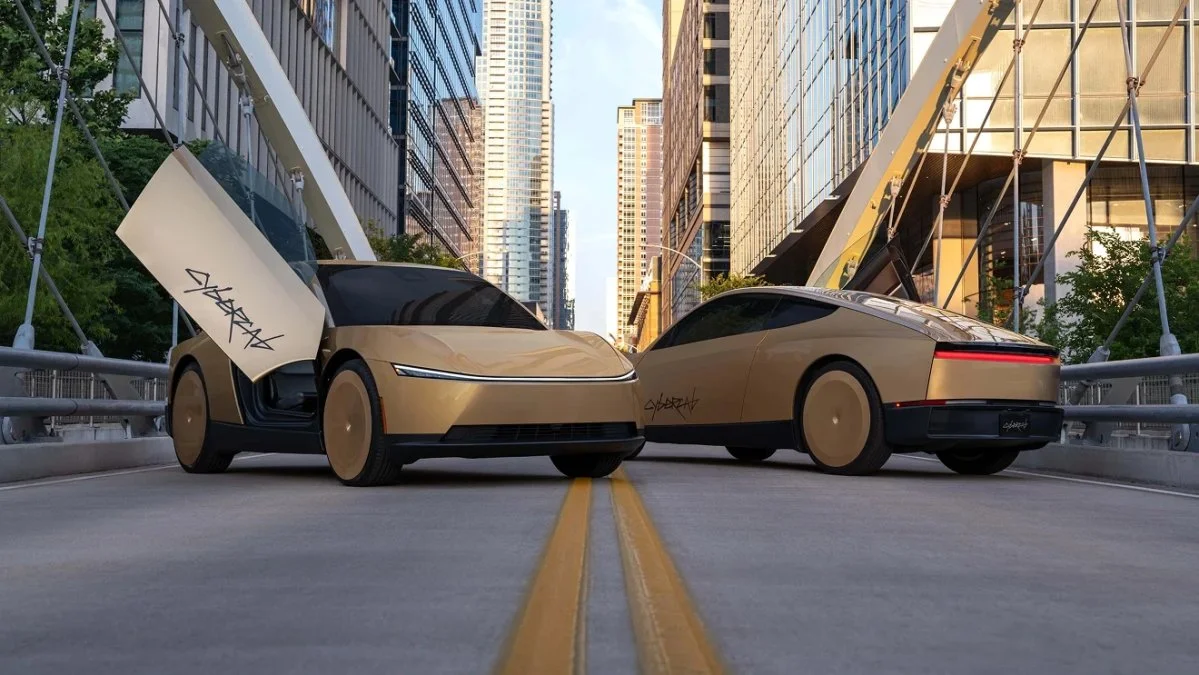
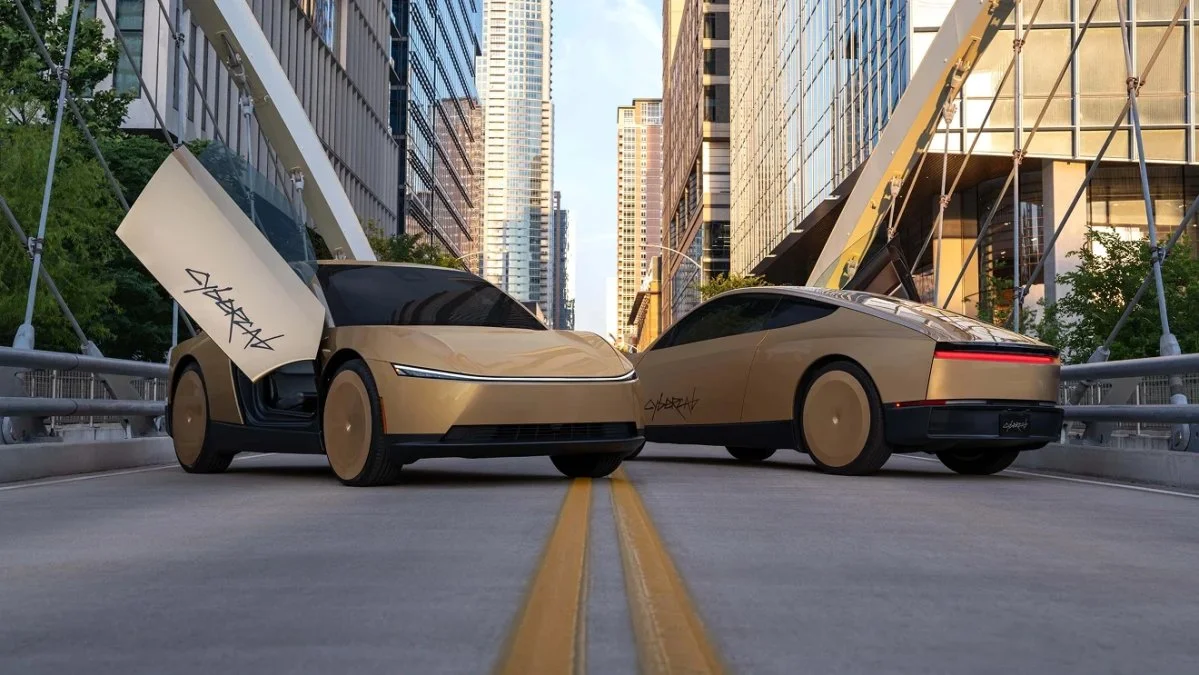
The report covers both Model Y vehicles converted for Robotaxi use and purpose-built Cybercabs. Tesla says it now has more than 300 Cybercabs in Austin, with Dallas next in line. Separately, the company said unsupervised Cybercab rides in Dallas would begin the following month. That points to a rollout combining new vehicle production with the expansion of service in markets where Tesla already operates.
Four markets named, with no launch dates
Phoenix and Las Vegas have featured in Tesla’s plans before; Jacksonville and San Antonio are new additions to the list. The report does not say when service will begin in any of the four cities, so their inclusion signals intent rather than a confirmed opening schedule.
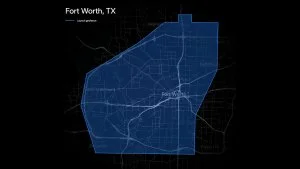
For riders, the distinction matters. A city name on a roadmap doesn’t establish which neighborhoods will be covered, when rides will become available or whether the service will start with a safety driver. Those details will determine how quickly a planned market becomes useful for everyday trips. Tesla’s data page offers a wider picture of fleet activity, but leaves those practical questions open.
Austin dominates the mileage tally
Austin accounts for most of the miles in Tesla’s city breakdown, with Dallas a distant second. The report lists:
- Austin, Texas: 2,118,015 miles
- Dallas, Texas: 608,130 miles
- Houston, Texas: 225,964 miles
- Orlando, Florida: 61,053 miles
- Tampa, Florida: 53,117 miles
- Miami, Florida: 46,262 miles
Tesla’s live counter had passed 3.3 million miles when the report was covered, above the 3.1 million recorded through October 18. The company’s chart shows the total rising sharply since summer. The counter offers a current snapshot, while the dated figures provide a fixed period that can be compared with later reports.
The listed city totals add up to roughly 3.1 million miles. Tesla operates in seven U.S. markets, but this breakdown includes six: San Francisco Bay Area miles are excluded because rides there still use a safety driver and therefore aren’t classified as fully autonomous. That makes the report’s scope important when comparing its total with the company’s broader service footprint.
Conditions and safety figures
The report also separates mileage by driving conditions. Tesla says its fleet has covered 862,000 miles after dark, 113,000 miles in rain and 575,000 miles during rush hour. Those figures show the fleet has encountered several demanding operating settings, though the report doesn’t provide a city-by-city or condition-by-condition breakdown of incidents.

Tesla reports no injuries caused by a Robotaxi, no airbag deployments and no pedestrians or cyclists hit over the measured period. For comparison, the company estimates that human drivers could have had 9.1 injury collisions, 4.1 collisions involving airbag deployment and 0.52 collisions with pedestrians or cyclists over the same distance.

That comparison is Tesla’s estimate, not a direct head-to-head trial. The reported zeroes are useful for understanding the company’s account of fleet performance, but the source figures alone don’t explain how the human-driver estimates were calculated or show how risk varies by route and operating condition. A consistent method and more detail on incidents would help readers interpret future mileage updates.
What the report says about the system
Tesla says each vehicle’s neural network processes more than a million pixels of visual data every millisecond, drawing on a 360-degree camera view. The report also coincided with a video compilation showing unsupervised Robotaxis, including Model Ys and Cybercabs, responding to emergency vehicles and other situations on the road.
The figures arrive as Tesla extends Austin operating hours to midnight and points to FSD v15 and round-the-clock service as upcoming steps. Longer operating hours and additional markets could increase mileage quickly; the more revealing measure will be whether future reports keep the same scope and provide enough detail to compare performance across cities, vehicle types and conditions.
For now, Austin is the clearest indicator of scale, while the four newly listed cities sketch the next stage of Tesla’s plan. Launch timing, service coverage and comparable data from those markets are the next details riders and industry watchers will need.