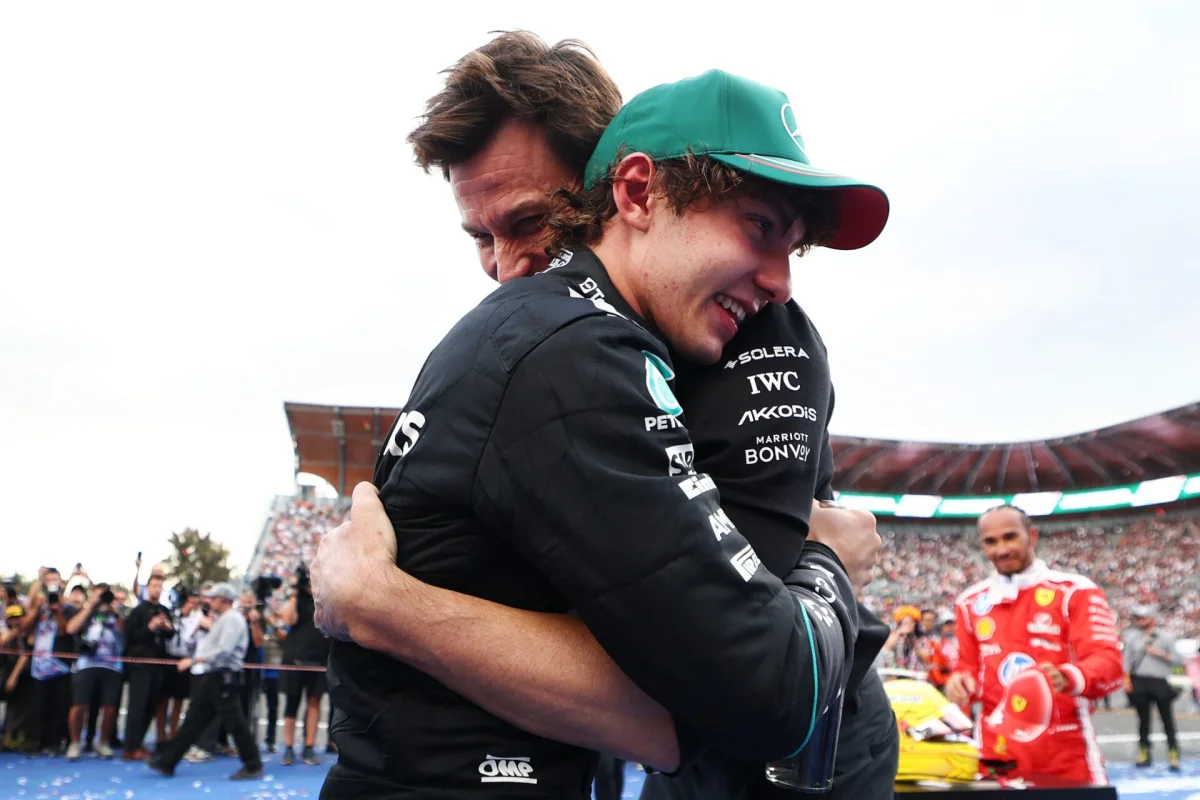
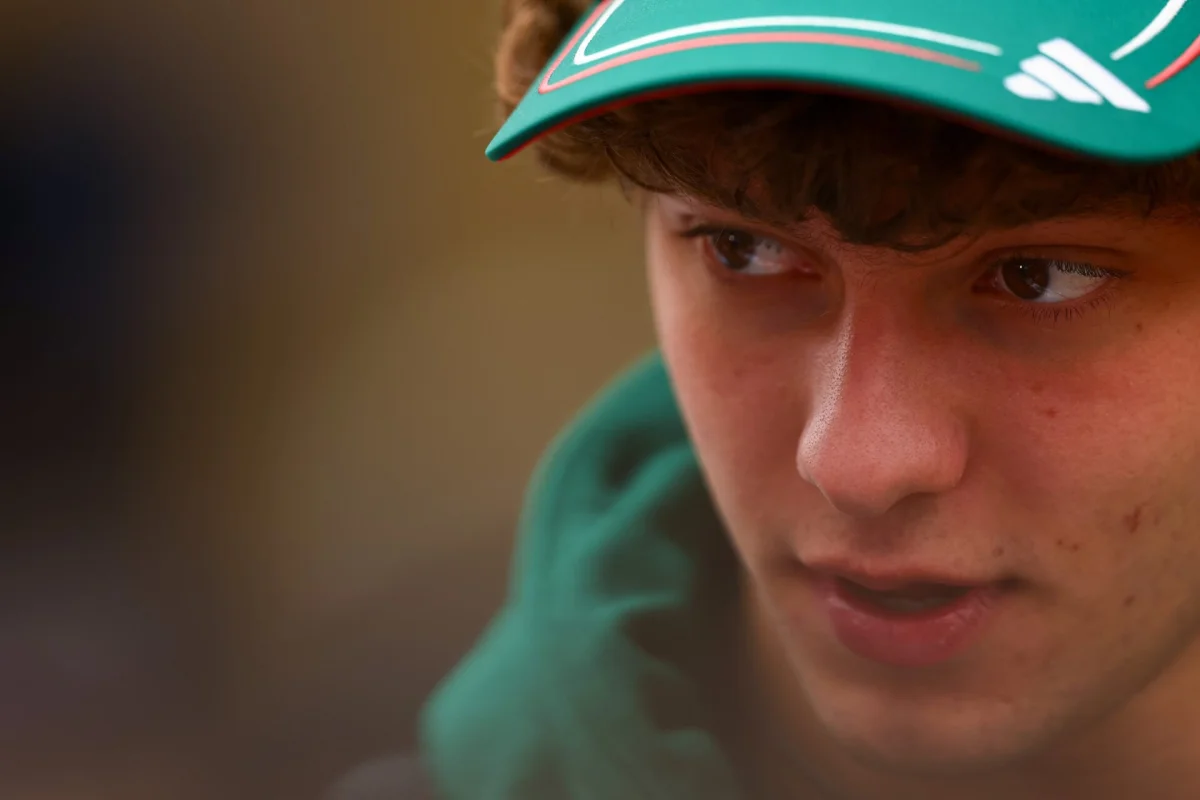
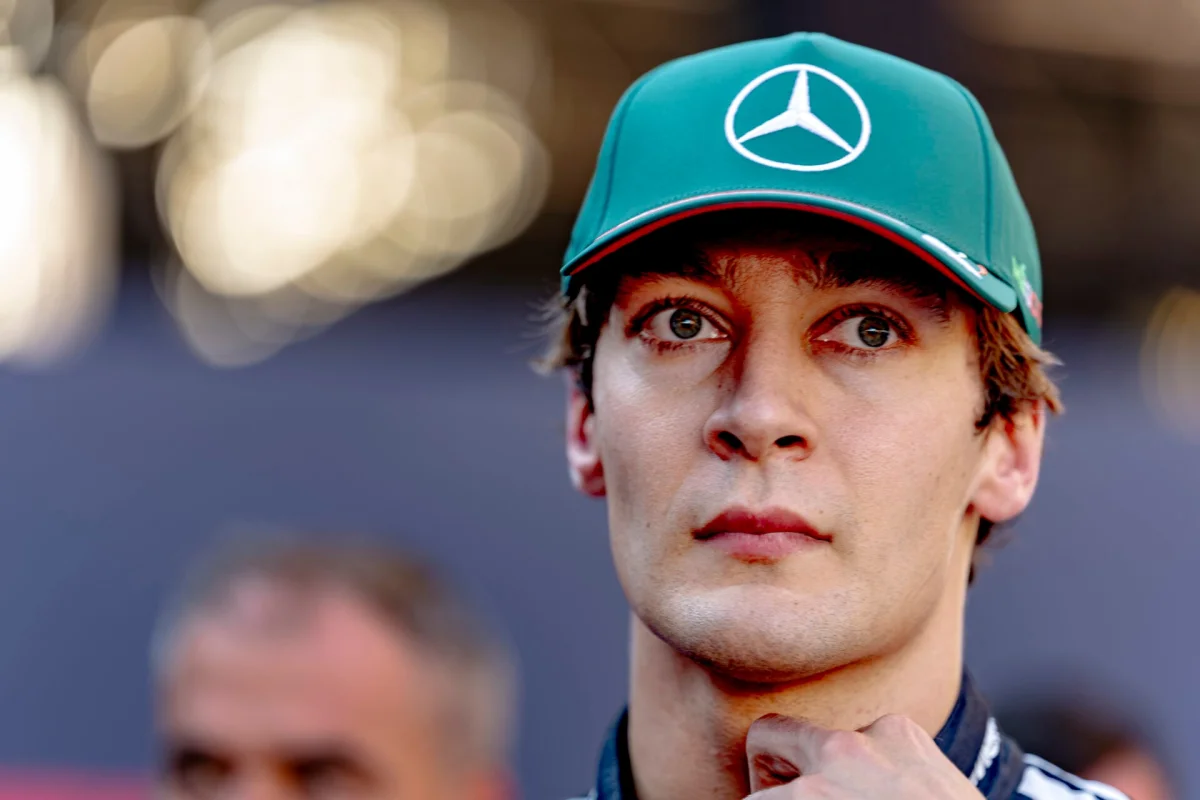
Haas drops Esteban Ocon for rest of 2026 F1 season, promotes Rafa Camara
Rafa Camara takes Ocon’s Haas seat for Brazil after the team ends the Frenchman’s 2026 season early.

Haas brings forward its driver change
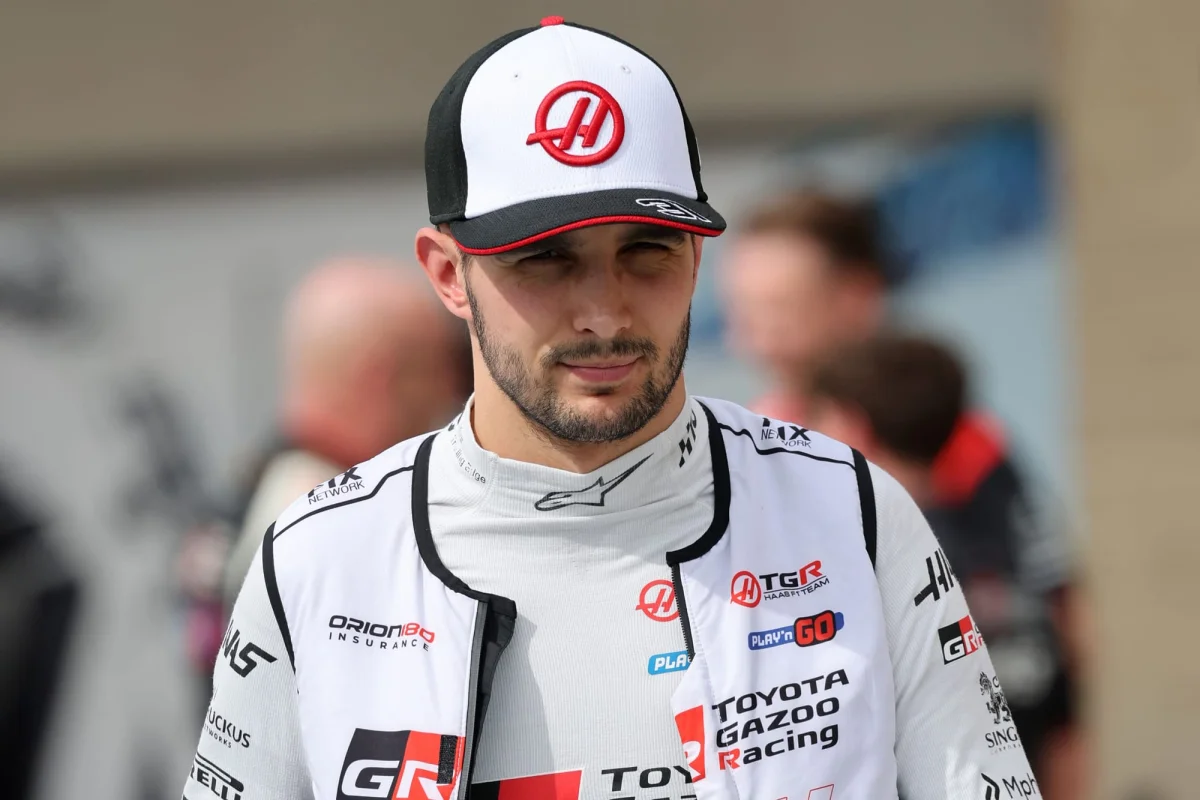
Haas has ended Esteban Ocon’s 2026 season early and will put Rafa Camara in the car for this weekend’s Brazilian Grand Prix. The move brings forward a change the team had already planned for 2027, when it intended to replace Ocon with Camara, a Formula 2 title contender and Ferrari junior driver. That gives Camara an immediate opportunity to learn the team’s race-weekend routine, though a single appearance won’t answer every question about a driver’s fit.
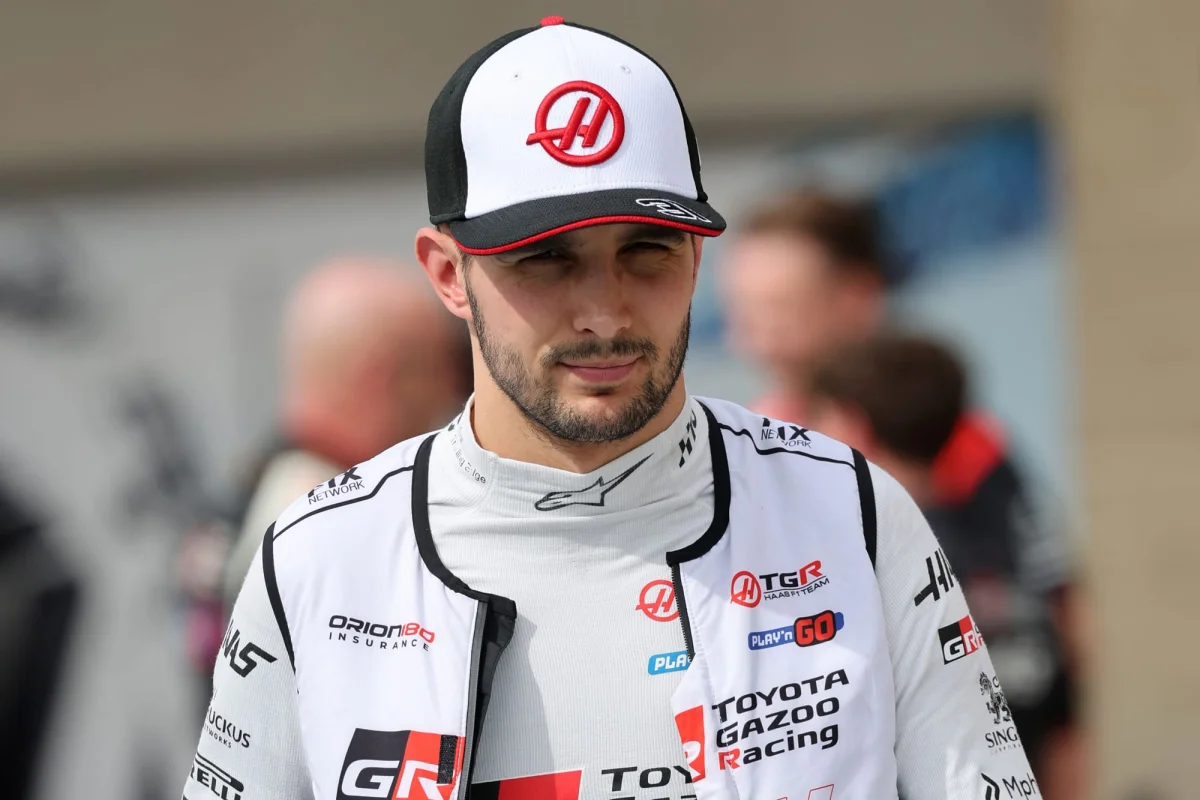
For now, Haas has confirmed Camara only for Brazil. The team hasn’t specified who will drive for the remaining rounds, leaving its longer-term plan for the seat open. Ocon, meanwhile, won’t return to a race seat with Haas this season, team boss Ayao Komatsu said. The immediate decision is clear; the shape of the rest of the lineup isn’t.
A split after Mexico
The decision follows an incident in Mexico that began with frustration over Ocon’s tyre plan during second practice. He objected over team radio to being assigned a longer run on medium tyres rather than softs. The choice was based on what Haas had observed from Ollie Bearman’s tyres, but the disagreement continued after the session.
Tyre choices during practice are part of a team’s effort to gather information and prepare for the race, so a driver may see a plan differently from the engineers making it. Here, though, the argument didn’t stay in the garage. Ocon was already set to leave Haas after the season, and he was dissatisfied with the team’s problems this year. The source reports that he also believed his planned replacement wasn’t based on legitimate performance reasons. Against that backdrop, an attempt to revisit the practice discussion on Friday evening escalated into a confrontation between Ocon and Komatsu.
Haas has kept the details of that conversation private. Ocon denied that it involved physical violence after reports in France suggested otherwise; the team hasn’t described what happened. Its response was immediate: Ocon was dropped during the Mexico weekend, and the team has now made clear that he won’t return for the rest of the season. The lack of detail leaves the public with the broad sequence of events, rather than a full account of the dispute.
Hirakawa’s unexpected Mexico role
Ryo Hirakawa initially took Ocon’s place in Mexico. He had already driven in Friday’s first practice as part of his Haas programme, but was told early Saturday morning that he would complete the weekend. Hirakawa told Japanese media he received the call at 6:30 a.m. That left little time to turn a planned practice appearance into a race weekend assignment.
Haas had to manage the driver change while finishing a difficult weekend and helping Hirakawa through a surprise Formula 1 debut. He earned a point after passing both Williams drivers late in the race. The move initially put him 13th on the road, but penalties for three drivers ahead promoted him to 10th. A result shaped by both on-track passes and later penalties, it still gave the team a tangible return from a disruptive weekend.
That result could matter in Haas’s constructors’ championship contest with Audi. A point can carry weight in a close teams’ standings fight, though the source doesn’t say how the contest will develop from here. Hirakawa’s finish also showed how quickly a replacement can affect Haas’s result. And this is the part most people overlook: a substitute’s contribution is judged within the team’s wider points battle, not just by how familiar the driver is with the car.
Camara’s first weekend and the open seat
Bringing Camara in now gives Haas an early start on the driver change it had scheduled for 2027. A race weekend can offer the team a closer look at how a new driver adapts to its car and working routine, but the source gives no detail on Camara’s preparation or whether Haas will extend his run beyond Brazil. The numbers here are underwhelming in one respect: the team has announced only one race, so there’s no confirmed plan beyond it.
The immediate priority is the Brazilian weekend, where Camara will inherit a seat under unusual circumstances and with limited time to settle in. If you’re working in this space, the distinction matters: a driver’s first race with a team can reveal how they handle its procedures and demands, but it’s a narrow sample. Haas will also need to decide who fills the car for the rest of the year. Until it names that driver, the change answers what happens to Ocon but leaves the team’s full-season lineup unresolved.
Ocon’s departure closes a relationship that was already due to end after this season. The Mexico confrontation accelerated that timeline. Hirakawa’s point showed the potential for a substitute to affect Haas’s position in the teams’ standings; Camara’s Brazil appearance is the next test of how the team manages the transition. One weekend at a time.
What the transition could tell us
For Haas, the Brazil outing is both a race assignment and an early look at a change intended for 2027. The team can observe how Camara works with its engineers and responds to the demands of a Grand Prix weekend, while Camara gets a first chance to operate in the Haas car under race conditions. That said, one appearance won’t settle how the partnership will develop over a full season.
The unresolved seat for the remaining rounds adds another layer. Haas must balance the immediate need to field a driver with the longer-term transition it has already brought forward. Its choice could shape how much continuity the team has through the rest of the year, but the available information doesn’t establish what criteria it will use. For now, the practical question is simple: who’s in the car after Brazil?