Martin Brundle Wants More Rivalry in Formula 1 After Kimi Antonelli’s Title Win
Brundle welcomes Antonelli’s character but says F1 needs sharper rivalries. His Canada battle with George Russell showed the champion can race with an edge.
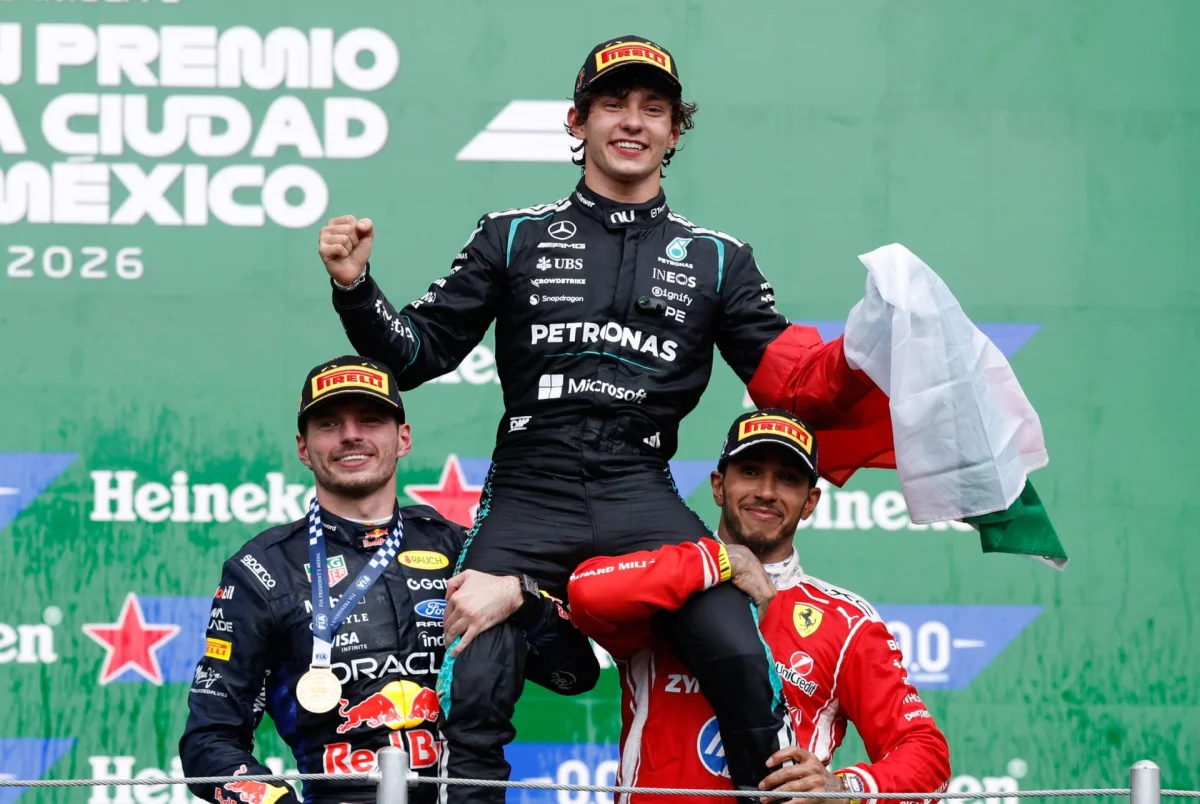
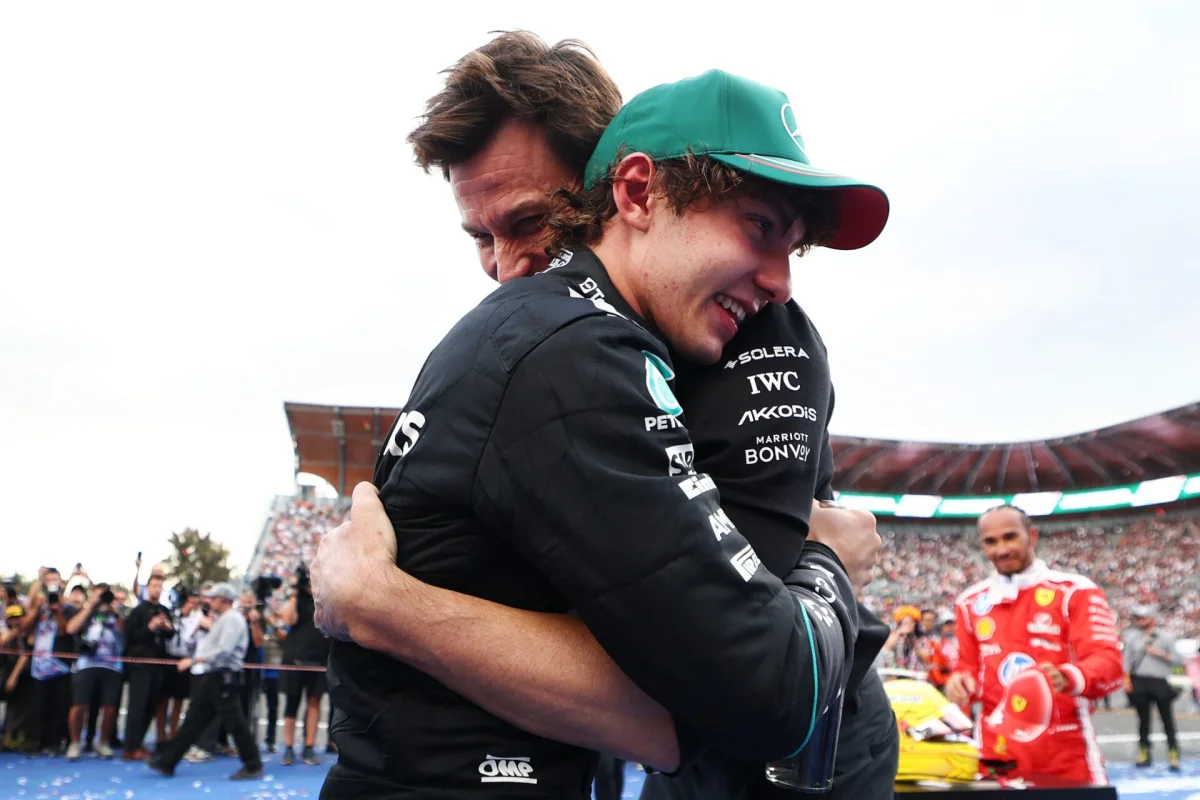
Kimi Antonelli’s title win has reopened a familiar Formula 1 question: how much should the sport value good relations between drivers, and how much does it need personal rivalry? Mercedes team principal Toto Wolff sees the new champion’s humility and respect as qualities other drivers should follow. Martin Brundle admires Antonelli too, but wants to see more edge between competitors.
Wolff made his case after Antonelli clinched the championship at the Mexico City Grand Prix. The 20-year-old, Wolff argued, shows that a driver can win without putting selfishness and ruthlessness ahead of everything else.
“This notion of win at all costs, [being] selfish, opportunistic, ruthless for your own benefit, that model of racing driver has died,” Wolff said, via ESPN.
He described Antonelli as a champion whose humility, integrity, loyalty and respect could set an example for young drivers and for competitors he sees as overly entitled. Wolff’s point is that talent alone doesn’t define a successful driver. In his view, Antonelli has shown that a racer can beat the field while treating others well.
Brundle wants competitive tension
Brundle doesn’t dispute Antonelli’s character. He called him personable and genuine, and said his public manner matches what he sees from the driver. His reservation is about extending that warmth to the entire grid. Brundle wants close rivals to retain a sense of personal tension, pointing to Lewis Hamilton and Max Verstappen’s 2021 title fight as an example.
“You want to see an edge as well,” Brundle told Sky Sports. He questioned Wolff’s suggestion that Antonelli represents a model every driver should copy, saying he wants some friction between Hamilton, Verstappen or other rivals. The drivers’ WhatsApp groups and shared padel games, he added, leave him uneasy about how friendly the competition has become.
That concern is about the character of the racing as much as the drivers’ relationships away from the circuit. Courteous rivals can still race hard, but a season with little sustained animosity may give fans fewer personal storylines to follow. Brundle’s preferred balance is respect alongside a visible appetite to beat the other driver.
Canada showed Antonelli’s harder side
Brundle also pointed to a counterexample to the idea that Antonelli lacks steeliness. At the Canadian Grand Prix, the Mercedes teammates ran side by side several times as Antonelli fought George Russell for victory. Russell’s power unit failure ended his race, but the wheel-to-wheel contest showed both drivers pressing without yielding ground.
“No quarter asked, and none given, whatsoever,” Brundle said of their battle. That episode gives his argument a practical edge: Antonelli’s considerate public image doesn’t prevent him from racing aggressively when the position is on the line. The title may have come with little apparent strain, but the Canada fight offered a glimpse of the competitiveness Brundle wants to see more often.
Antonelli’s profile has drawn attention partly because his character has become part of the conversation about his success. Yet the strongest answer to Brundle’s concern may come from the track. Side-by-side racing between teammates carries its own pressure: both drivers know the other’s pace, and neither has much room to concede without losing position.
Recent clashes have cooled quickly
There have been flashes of sharper exchanges elsewhere. Verstappen and Liam Lawson clashed in practice in Mexico, and each received a one-place penalty. Verstappen then told Lawson to be smarter while racing for his place, adding a pointed personal note to the incident.
Hamilton also criticised Ferrari teammate Charles Leclerc after their first-lap tussle in Mexico helped Verstappen win the race. Hamilton’s comments made the disagreement public, though the source does not describe it as a prolonged feud.
In Austin, Fernando Alonso questioned the quality of drivers in the lower third of the grid after an incident with Alex Albon. His criticism focused on the standard of the midfield. In Azerbaijan, Lando Norris called for Franco Colapinto to be banned after an incident ended his race. That dispute brought a sharp response.
These moments show that disagreement hasn’t disappeared. The pattern, though, has been for disputes to settle quickly instead of developing into extended verbal battles. That may suit drivers who share teams, travel and social circles, while leaving less room for the sustained rivalries that can shape a championship story.
Antonelli’s popularity and Wolff’s praise make a strong case for a more respectful image of the modern driver. Brundle’s challenge is that respect alone may not supply enough drama. His Canada example suggests the two qualities can coexist: drivers can treat each other well away from the circuit and still refuse to give an inch when a win is at stake. The season’s remaining battles will show whether Antonelli’s calm public manner can sit alongside the sharper competition Brundle wants from Formula 1.