Oscar Piastri’s Race Pace Gap to Lando Norris Is Widening at McLaren
Karun Chandhok says Piastri’s small qualifying deficit grows in races, where McLaren’s sliding MCL40 is proving difficult for him to manage.
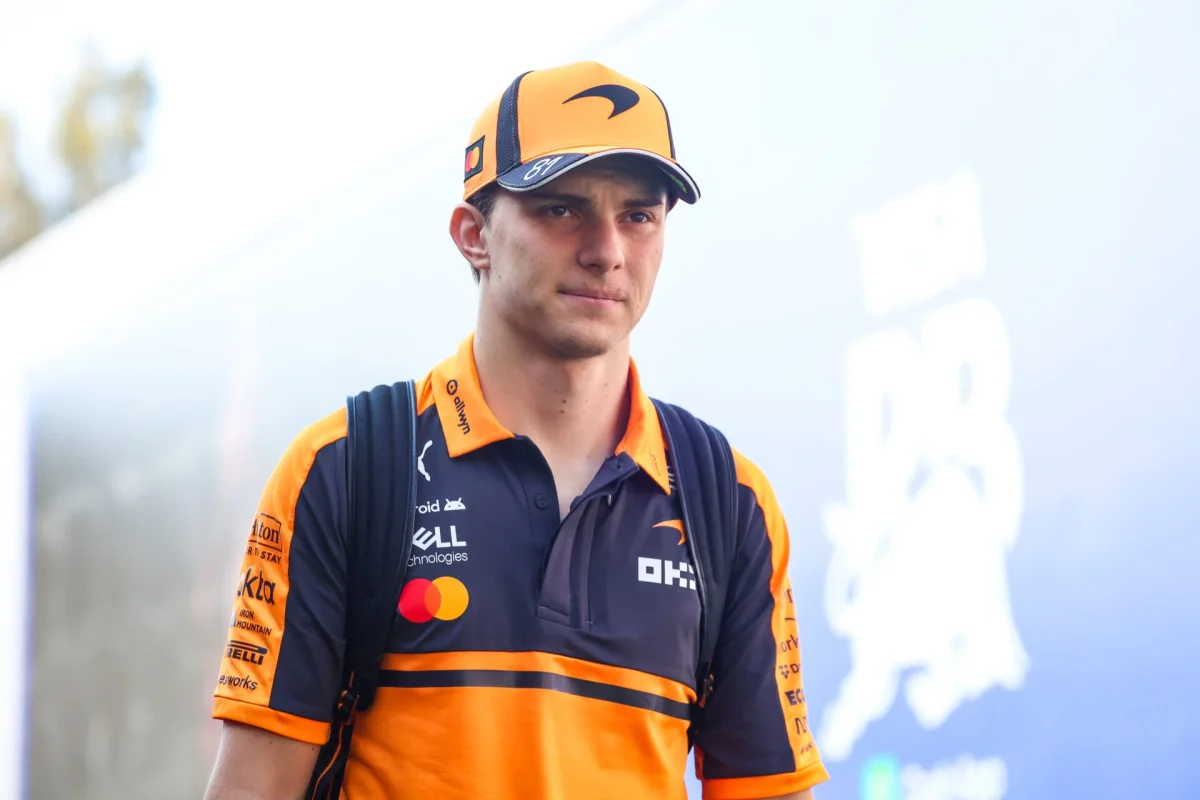
Oscar Piastri’s main problem at McLaren this season appears less about finding speed over one lap than carrying it through a race. Karun Chandhok says the Australian’s small qualifying deficit to Lando Norris grows on track, leaving Piastri in what the analyst described as a “tough place” as he tries to turn the team’s feedback into lap time.
The championship standings underline how much ground Piastri has lost. Ahead of the 19th round of 23, at Mexico City’s Autodromo Hermanos Rodriguez, Norris is sixth on 211 points and Piastri seventh on 144. A year ago, Piastri was fighting for the title; this season, he has fallen away from the leading six.
The head-to-head numbers make the gap look narrower than the standings do. Norris leads 10–8 in Grand Prix results and 11–7 in qualifying. Across the season, Piastri’s average qualifying deficit is four hundredths of a second, according to Chandhok. But that near match over one lap has not translated into similar race performance.
A small qualifying gap becomes a race problem
Chandhok made his assessment during Sky Sports F1 coverage of final practice at the Mexico City Grand Prix on October 31. He said that being able to see the problem in the data, while struggling to reproduce the required performance on track, can be mentally difficult—especially when a teammate is delivering stronger results.
His central point is the change in scale from qualifying to the race. A deficit of four hundredths in qualifying can become a tenth or a tenth and a half per lap once the cars are racing, he said. Repeated across a stint, that gap can build, making a modest one-lap difference more consequential than the qualifying comparison suggests.
That distinction matters when assessing Piastri’s season. The qualifying record suggests he can remain close to Norris for a single lap. Chandhok’s concern is that Piastri has not been able to sustain that pace over race distance. The figures provided do not explain every cause of the difference, but they point to race pace as the more persistent challenge.
The MCL40 is asking Piastri to adapt
Piastri is also dealing with a car and driving demands that differ from what suited him in the ground-effect era. The McLaren MCL40 is described as tricky to drive, and the 2026 cars’ smaller wings produce less downforce, making them more prone to sliding. McLaren knows the car is difficult, though the source says a new chassis and longer wheelbase are unlikely before 2027.
The rear of the MCL40 sliding through corners has been a particular challenge for Piastri. If a driver has to manage that movement while trying to maintain pace, the difficulty can follow them from corner entry through to exit. The source attributes part of Piastri’s struggle to a driving style that does not suit the demands of this year’s cars; it does not report a single adjustment that has resolved the issue.
Braking added another concern in Mexico. After Piastri’s difficult sessions in first and second practice, Chandhok said he lacked confidence in McLaren’s brakes and described himself as “worried.” That observation came during a weekend when the Australian was already having trouble getting comfortable with the car. It offers a specific example of the broader adaptation problem, rather than evidence that braking alone explains his race results.
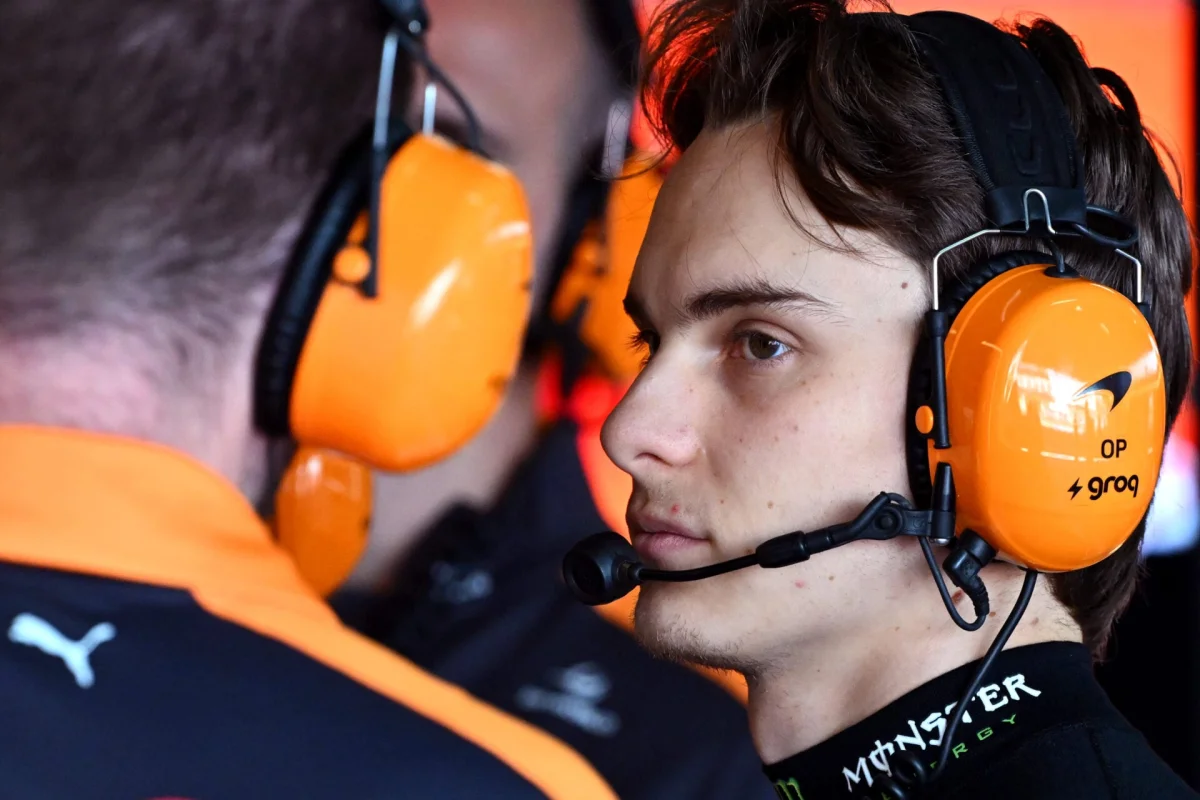
The problem has surfaced before. After the Dutch Grand Prix, round 12, Piastri acknowledged that Norris’s win at Zandvoort had exposed his race-pace weakness. Piastri finished sixth, 32.332 seconds behind the winner. That result gives context to Chandhok’s view in Mexico: the gap over a race distance has been an issue across more than one event.
What to watch in the remaining rounds
The immediate question is whether Piastri can make the MCL40 more predictable over race distance while the team works within the current car’s limitations. A close qualifying performance would show that his one-lap pace remains there, but the more telling measure will be whether he can prevent that small deficit from widening once the race begins.
For McLaren, the challenge is also practical: help Piastri apply what the team sees in the data while he adapts to a car that slides more readily. The supplied account offers no promised fix or timetable for a turnaround. With five rounds remaining after Mexico, the clearest measure of progress will be whether Piastri can hold his pace against Norris through a full Grand Prix.
Chandhok’s diagnosis is specific: Piastri’s season is being shaped by the difference between qualifying speed and race execution. Until that gap narrows, a close Saturday comparison with Norris may continue to tell only part of the story.