Oscar Piastri’s Mexico City Q2 Exit Points to a Tyre Temperature Problem
Jolyon Palmer and James Hinchcliffe think Piastri’s soft tyres missed their operating window, leaving him 13th after McLaren teammate Lando Norris topped Q2.
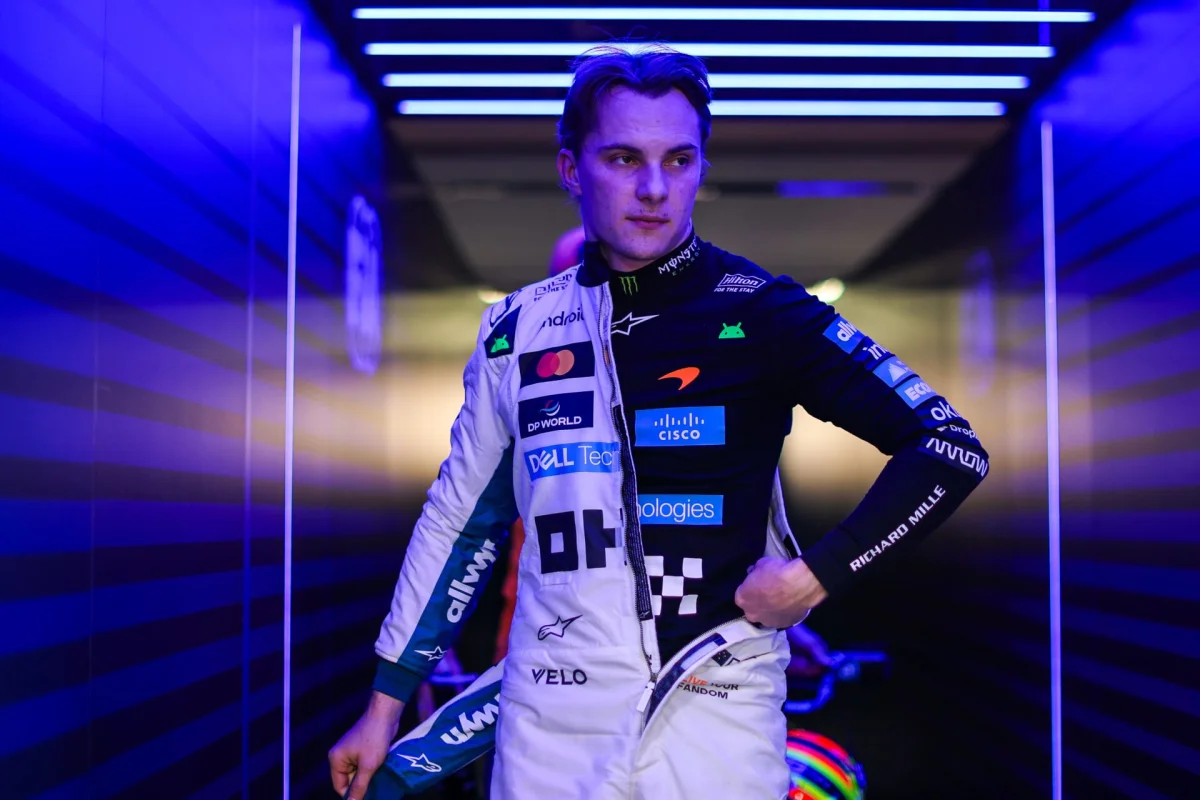
Oscar Piastri’s 13th place in qualifying for the 2026 Mexico City Grand Prix looks less like a lack of underlying pace than a failure to get one set of soft tyres working. Jolyon Palmer and James Hinchcliffe both pointed to tyre temperature as the likely cause, after Piastri had been fourth in Q1 and McLaren teammate Lando Norris set the pace in Q2.
The result brought Piastri’s first Q2 exit in two years. He’ll start one place higher than 13th because Liam Lawson was disqualified from qualifying, but that adjustment doesn’t change the contrast within McLaren: Norris advanced while Piastri couldn’t find enough time on his final flying lap.
The Mexico City circuit has been a difficult venue for Piastri across three successive seasons. At the previous year’s race, he finished 42.065 seconds behind Norris, who won and moved into the lead of the drivers’ standings. Low grip contributed to Piastri’s struggles then; this time, Palmer’s explanation was more specific, focusing on whether the tyres were in the right temperature range.
Palmer sees a set that never came alive
Piastri began Saturday’s qualifying session strongly, recording a 1:17.659 in Q1 to rank fourth. His performance then fell away in Q2. He finished 13th with a best lap of 1:17.646, despite improving slightly on the Q1 time, as other drivers found enough pace to move ahead.
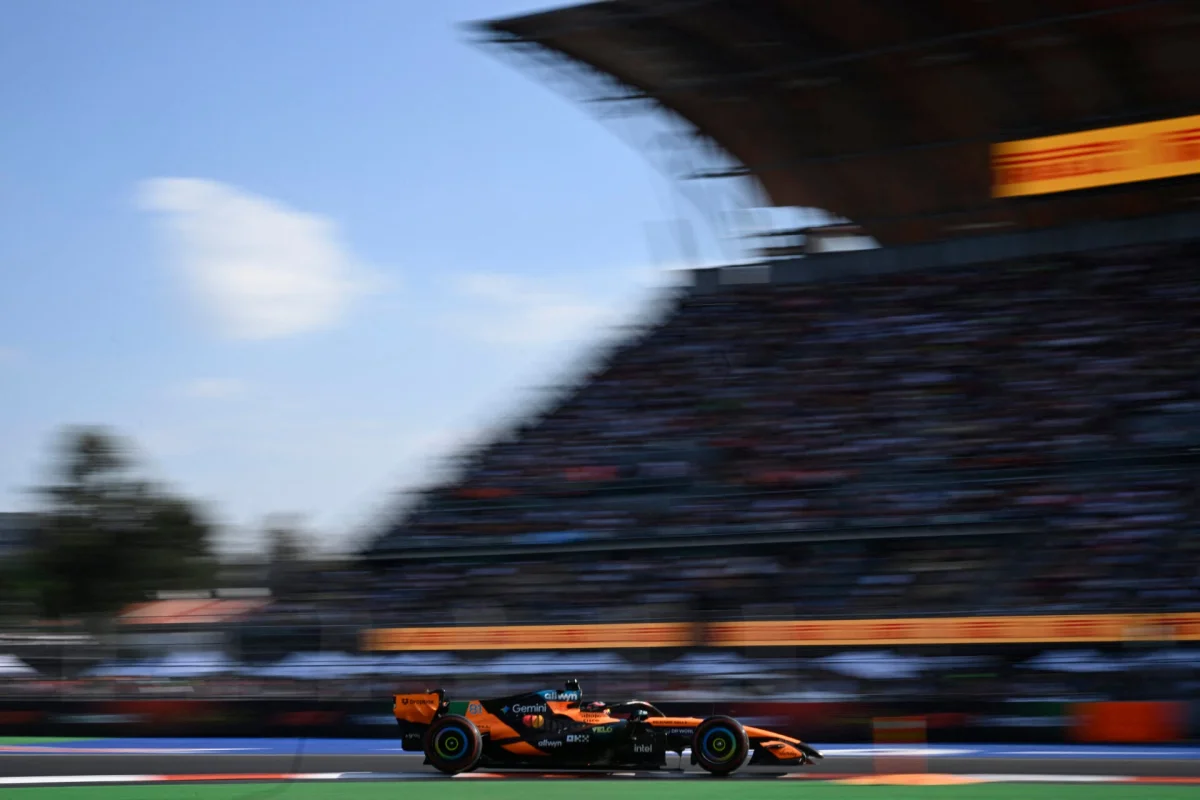
After the session, Piastri said he had “no rear grip.” Palmer, speaking on F1TV at 21:48 on October 31, suggested the tyres may have slipped outside their useful temperature range after Piastri made an error on his first flying lap on that set. Piastri backed out of that attempt, Palmer said, and wasn’t able to recover the performance on the next one.
Palmer also raised the possibility that this particular set of C5 soft tyres was inconsistent with the sets Piastri had used earlier. His assessment was that Piastri had looked quick during the weekend, making the gap to Norris—nearly a second on the same run plan—stand out. It’s an interpretation of the session rather than a confirmed explanation from McLaren, but it fits the sharp change between Piastri’s Q1 and Q2 results.
Hinchcliffe, the former IndyCar driver, agreed that tyre preparation may have been central. He said Piastri lost the decisive time around the Turn 6 hairpin and the middle-sector esses, where a lack of grip would make it difficult to carry speed through a series of direction changes. With Norris topping the session, the difference was especially hard for Piastri to accept, Hinchcliffe added.
The sector data adds a wrinkle
The lap figures complicate the idea that the middle sector alone cost Piastri a place in Q3. He set a personal-best split of 30.667 seconds in that sector on his Q2 effort, gaining time there compared with his provisional run. He didn’t improve his personal-best splits in either the first or third sector.
That distinction matters: a driver can set a best sector on a lap and still fall short overall if the other sections don’t improve. Piastri bettered his pace in just seven of the lap’s 22 mini-sectors, according to the source data. The pattern points to a lap where speed didn’t come together consistently, rather than a single obvious loss through the esses.
Palmer’s tyre-temperature theory could help explain why Piastri’s grip felt poor, but the available sector figures don’t establish exactly where that problem began or how much time it cost. Hinchcliffe’s account identifies sections where he saw the damage, while the splits show that Piastri still improved in the middle sector overall. Both observations can be true: a sector can contain a costly moment and still end up faster than the driver’s earlier split.
What the result says about McLaren’s session
Norris topping Q2 shows that McLaren had the pace to lead the session, while Piastri’s earlier Q1 ranking suggests the team’s car could also be competitive in his hands. The gap between those results puts attention on the final run and the behaviour of Piastri’s tyre set. It doesn’t, on its own, settle whether the cause was temperature, the earlier mistake, or a combination of factors.
For Piastri, the practical consequence is a lower starting position and a missed chance to compete in the pole shootout. Lawson’s disqualification lifts him to 12th on the grid, but he’ll still need to work through the field from outside the top ten. His comments about rear grip and the mixed sector results give a clearer picture of the problem than the finishing position alone: he found some time, but not enough, and never produced a complete lap at the pace his Q1 performance had suggested.
The key question for McLaren and Piastri is whether the tyre issue was specific to that set or points to a wider difficulty getting the soft compound into its working range at this circuit. The session evidence can’t answer that yet. What it does show is how quickly Piastri’s qualifying turned after a strong opening stage—and why a small mistake in tyre preparation can matter when the gap between advancing and going out is measured over one flying lap.
READ MORE: How to watch the 2026 Mexico City GP and Kimi Antonelli’s title permutations