GWM Haval H7: Preise ab 35.990 Euro, bis zu 435 PS und 150 km elektrische Reichweite
Der Haval H7 kommt Ende 2026 nach Deutschland: als Benziner, Vollhybrid und Plug-in-Hybrid. Preise starten bei 35.990 Euro.
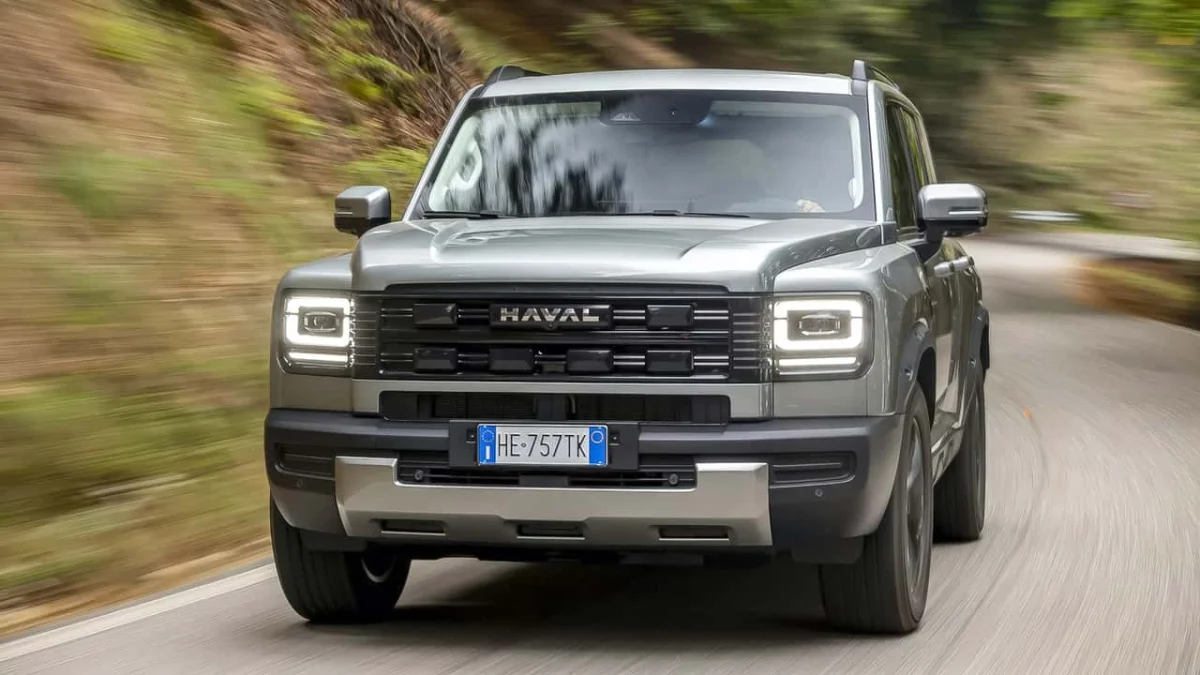
Der GWM Haval H7 pairs a family-sized five-seat cabin with off-road equipment and a choice of three electrified or petrol powertrains. Prices in Germany start at 35,990 euros, while the most powerful plug-in hybrid delivers 435 PS. The model is due at dealers in stages from November 2026.
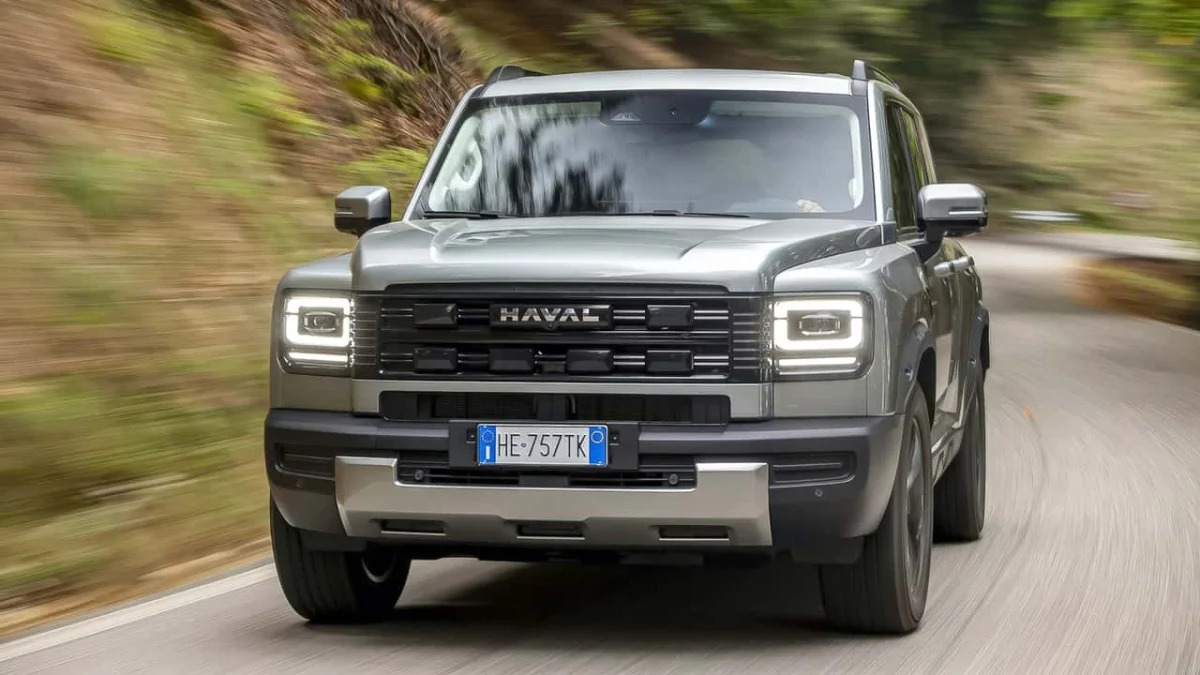
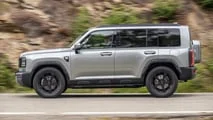
At 4.80 metres long, the H7 sits above the smaller Haval Jolion Pro and Haval H6 Hybrid in GWM’s SUV range. Its squared-off styling suggests rivals such as the Land Rover Defender and Ford Bronco, but the mechanical choices point to a broader brief: everyday family transport, towing and occasional rough-road use. The starting price buys a five-seat SUV with extensive standard equipment, though GWM has not provided a full equipment breakdown in the available details.

Three powertrains, with a wide price and performance spread
The entry model uses a 2.0-litre turbocharged petrol engine producing 215 PS and 380 Nm. A nine-speed dual-clutch transmission is standard, and buyers can choose front-wheel drive or all-wheel drive. GWM quotes fuel consumption of 9.0 litres per 100 kilometres for one configuration and 9.6 litres for the other; the source does not specify which figure belongs to which drivetrain. The all-wheel-drive petrol version can tow up to 2.3 tonnes.

That petrol model establishes the lowest purchase price, but its quoted consumption means fuel costs will be part of the ownership calculation. The full hybrid costs from 37,990 euros and pairs a 1.5-litre turbo petrol engine with an electric motor for a combined 247 PS. It does not need to be plugged in. GWM claims consumption of 6.5 litres per 100 kilometres, making this the lower-consumption choice for drivers who want hybrid assistance without adding charging to their routine.
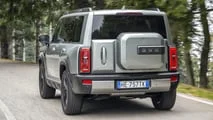
The plug-in hybrid starts at 41,990 euros with front-wheel drive and produces 326 PS. Its 33.8-kWh battery is said to provide up to 150 kilometres of electric range, and the vehicle can charge at up to 90 kW at a rapid-charging station. For drivers with access to regular charging, that claimed range could cover many routine journeys without using petrol. GWM quotes 6.7 litres per 100 kilometres when the battery is depleted, so the fuel figure still matters on longer trips or when charging is unavailable.
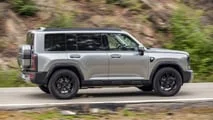
There is also a more powerful all-wheel-drive plug-in hybrid, but GWM has not yet named its price. It combines a 1.5-litre turbo petrol engine with two electric motors for a total of 435 PS and 670 Nm. The company’s Hi4 all-wheel-drive system, being introduced in Europe with this model, can distribute power between the front and rear axles as needed. That output puts the top version well above the 215-PS petrol and 247-PS full hybrid, while its battery and electric range figures have not been specified in the source.
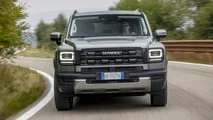
Off-road hardware and everyday practicality
The H7’s outdoor credentials are backed by figures beyond its upright styling. GWM lists up to 210 millimetres of ground clearance, a 580-millimetre wading depth and as many as nine driving modes. All-wheel-drive versions of both the petrol model and plug-in hybrid also receive an electronically controlled rear locking differential. Those features give the H7 a more serious rough-road specification than a conventional family crossover, although the published figures alone do not establish how it performs on difficult terrain.
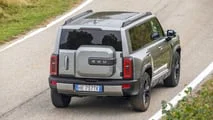
The 2.3-tonne towing limit applies to the all-wheel-drive petrol version. GWM has not supplied a separate towing figure for the hybrid models, so buyers planning to tow should check the specific configuration rather than assume the same capacity applies across the range. Likewise, the source gives no boot capacity, dimensions beyond overall length, or details on how the battery affects cargo space. Those figures will help show how well the H7’s off-road hardware fits family use.
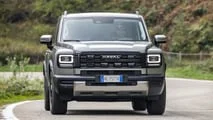
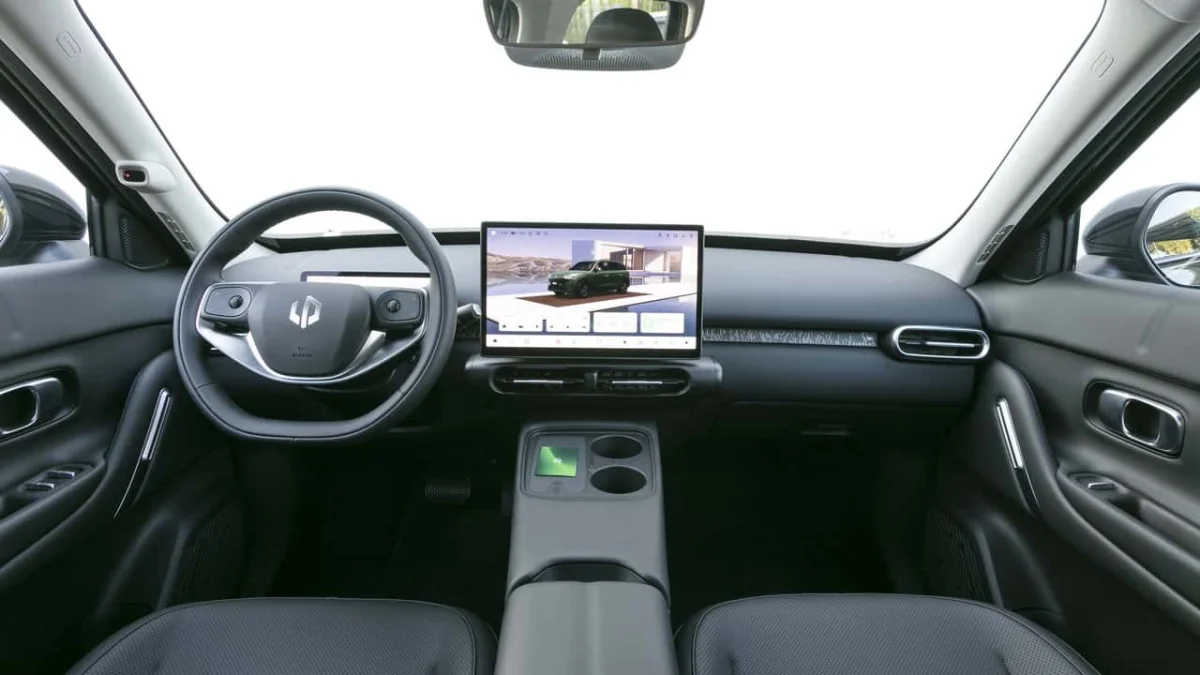
GWM will offer two trim levels, Premium and Luxury, and says both come generously equipped. Cabin technology includes a 12.3-inch digital instrument display and a 15.6-inch central touchscreen running the company’s Coffee OS. The five-seat layout and outdoor-focused extras position the H7 as a practical SUV, but the available information does not detail which features are standard on each trim or how the two grades differ.
German launch and the competitive set
The full hybrid is scheduled to reach German dealers in November 2026. The turbo petrol and plug-in hybrid versions are due to follow in December. GWM quotes a vehicle warranty of seven years or 150,000 kilometres and an eight-year or 160,000-kilometre warranty for the high-voltage battery.
The H7 enters a crowded field of Chinese vehicles with rugged styling or electrified power. The BAW 212 focuses on conventional off-road hardware, while the BYD Shark combines pick-up utility with a powerful plug-in hybrid. GWM also has the Tank 300 in its own line-up plans, giving the brand another squared-off vehicle aimed at buyers drawn to off-road design. The Haval H7’s distinctive pitch is its combination of five-seat family use, three powertrain choices and substantial off-road specifications.
For buyers, the choice will hinge on how the SUV is used. The petrol model has the lowest entry price and a stated towing capacity, the full hybrid avoids plug-in charging, and the plug-in versions add substantial power with up to 150 kilometres of claimed electric range for the front-wheel-drive model. Prices for the 435-PS all-wheel-drive plug-in hybrid, detailed trim equipment and further practical specifications remain key points to watch before the H7’s German arrival.