BMW M635 CSi E24 Review: M1 Engine, Grand Touring Manners
The M635 CSi pairs an M1-derived 286-PS engine with the E24’s restrained style and long-distance comfort.
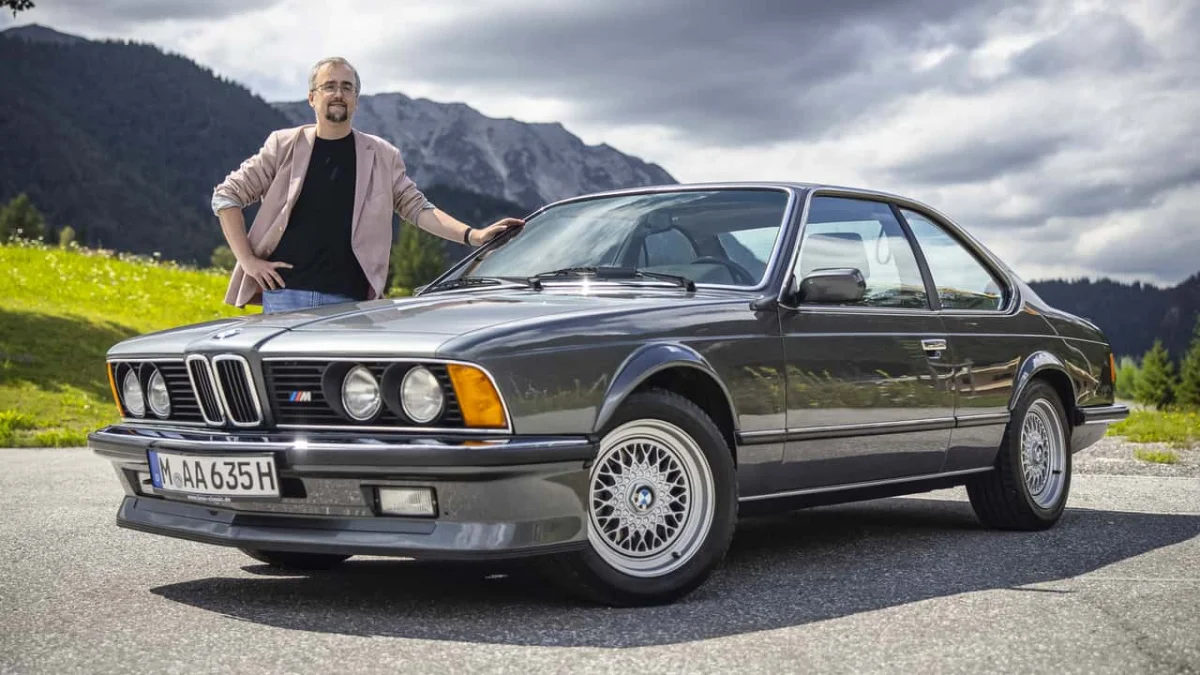
The BMW M635 CSi makes its case through a rare combination: the engine of the M1, wrapped in a large, comfortable coupé body. Its 286 PS and 255 km/h top speed put it among the fastest four-seat cars of its era, yet the driving character is more grand tourer than track machine. That balance is what gives this E24 its lasting appeal.
A luxury coupé with a long run
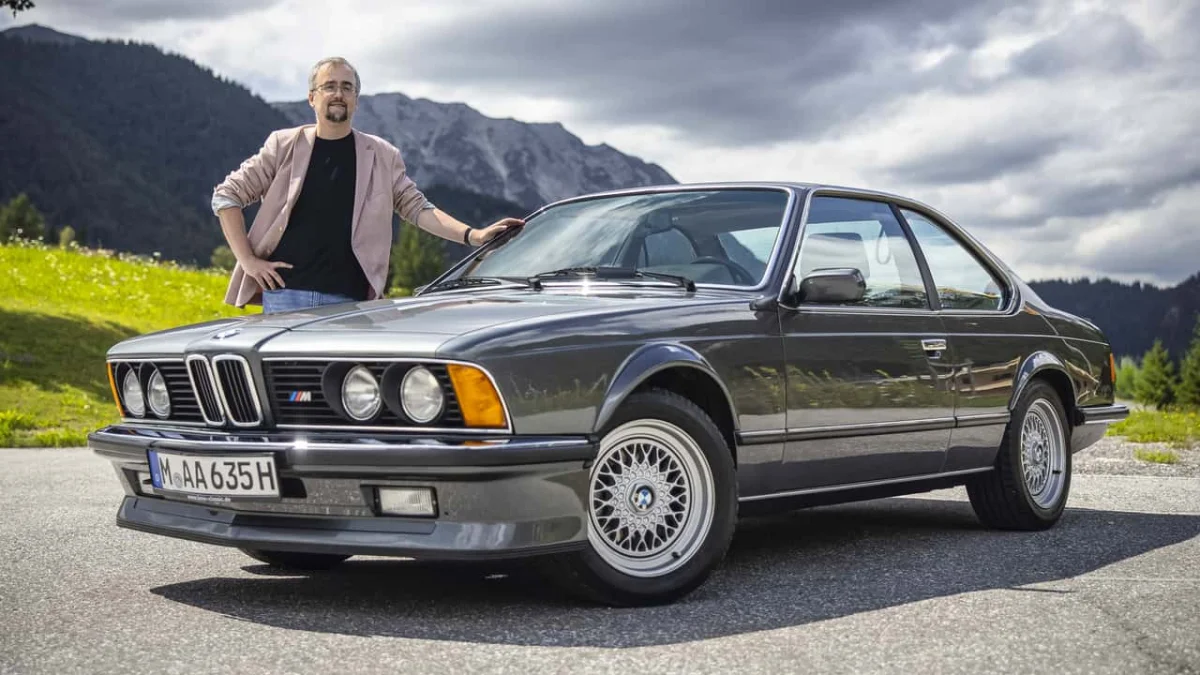
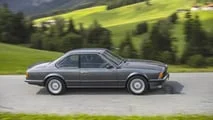
BMW revealed the E24 at the 1976 Geneva Motor Show as the successor to the E9. Designed by Paul Bracq, it set the tone for the period with a forward-leaning shark-nose front, slim B-pillars and a gently descending rear window. The E24 was larger than its predecessor, with more room inside and the proportions of a proper luxury touring coupé.

That positioning came at a price. In autumn 1977, the range started at 42,300 marks, while a Mercedes 450 SE cost less. The car also had to appeal to buyers beyond Europe, including in the United States. Its engineering initially drew on the E12 5 Series, and every version used an M30-family straight-six beneath the long bonnet. Karmann built the early body shells in Osnabrück; BMW later moved all production to Dingolfing.
The range included the 628 CSi, 630 CS and 635 CSi. A substantial update arrived in 1982, as BMW prepared the car to face the Mercedes SEC. The E24 adopted the newer E28 5 Series platform, bringing revised front suspension, chassis tuning and cockpit design.
M1 power in a four-seat package
The M635 CSi arrived at the Frankfurt Motor Show in autumn 1983 as the range’s high point. BMW Motorsport GmbH developed it around the M88/3, a 3.5-litre, four-valve straight-six derived from the engine in the M1. It produces 286 PS at 6,500 rpm and 340 Nm of torque.
Without a catalytic converter, BMW quoted a 0–100 km/h time of 6.4 seconds and a top speed of 255 km/h. Those figures made the M635 CSi a serious performance car, with four seats and the long-distance remit of the 6 Series. Against the regular 635 CSi’s 218 PS and 310 Nm, the M version adds 68 PS and 30 Nm. It raises top speed by nearly 25 km/h and cuts roughly a second from the sprint to 100 km/h.

Performance without the show
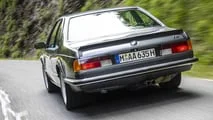
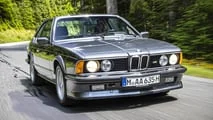
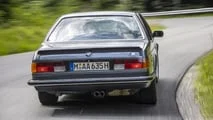
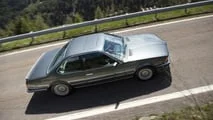
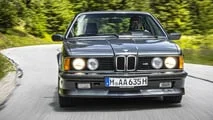
The M635 CSi keeps its visual changes measured. A slightly larger front spoiler incorporates fog lamps, a small lip sits on the boot lid, and BBS cross-spoke wheels and M badges distinguish the car. The result has a particular period charm: the original E24’s restrained 1970s shape carries the more assertive details of the following decade.
Inside, the driver gets sports seats, a three-spoke M-Technic leather steering wheel and revised instruments, including a tachometer marked to 8,000 rpm. BMW Motorsport also fitted stronger anti-roll bars, firmer dampers and larger brakes, with four-piston fixed calipers at the front. These changes support the extra pace while keeping the car suited to extended journeys.
On the road: a relaxed way to go fast
The cabin’s broad glass area, generous boot and comfortable front seats all make sense once the car is moving. In the example described here, the Check Control system and onboard computer are labelled in Italian, a clue to the car’s origin. The engine answers with a deep, even note rather than a sharp race-car bark.
Its M1 connection doesn’t mean the M88/3 demands constant high revs. Although peak torque arrives at 4,500 rpm, the engine feels flexible lower down, so ordinary progress doesn’t require frequent gear changes. The occasional downshift brings a more urgent response and a satisfying mechanical change in tone, but the car never loses its composed touring character.
The speedometer runs to 280 km/h, and the tachometer’s red zone begins at 6,900 rpm. The fuel-use indicator found in other versions is absent, and there’s no oil-temperature gauge in its place. The driving impression is less about chasing the instrument readings than enjoying the engine’s accessible pull and the car’s easy stride. This is a cruiser with serious reserves, not a track tool in grand touring clothes.
Fuel use is the practical trade-off. The M635 CSi needs plenty of petrol, and the article’s driving impression suggests the less powerful 628 CSi isn’t dramatically thriftier. Buyers drawn to the E24 for regular long-distance use should weigh that appetite alongside its comfort and performance.
Production, price and lasting appeal
BMW built the E24 from 1976 to 1989, making it the marque’s longest-running model series at the time. Total production reached 86,216 cars. The M635 CSi remained scarce: 5,855 were made before production ended in April 1989. In August 1985, it cost 93,550 marks; a Porsche 911 Carrera was more than 20,000 marks cheaper.
Of the M635 CSi total, 1,767 cars were built for North America as M6 models, with catalytic converters and 260 PS. The figures underline how distinct the European M635 CSi was, while the car’s lasting draw comes from more than output alone. Its straight-six soundtrack, useful cabin and elegant shape make the E24 an unusually complete classic coupé—and the M version adds M1-derived performance without giving up the relaxed pace that suits the car best.