Bugatti Chiron Theft: Mate Rimac Tracked the Hypercar Across Borders
Live telemetry helped Mate Rimac and colleagues follow a stolen Chiron from Croatia into Austria, where it was recovered with minor bumper damage.
A Bugatti Chiron’s live telemetry helped Mate Rimac and his colleagues track the hypercar across several countries after it was taken from a company building in Croatia. The episode exposed a basic security lapse: Rimac had left the keys in the car, and the person who found them drove away.
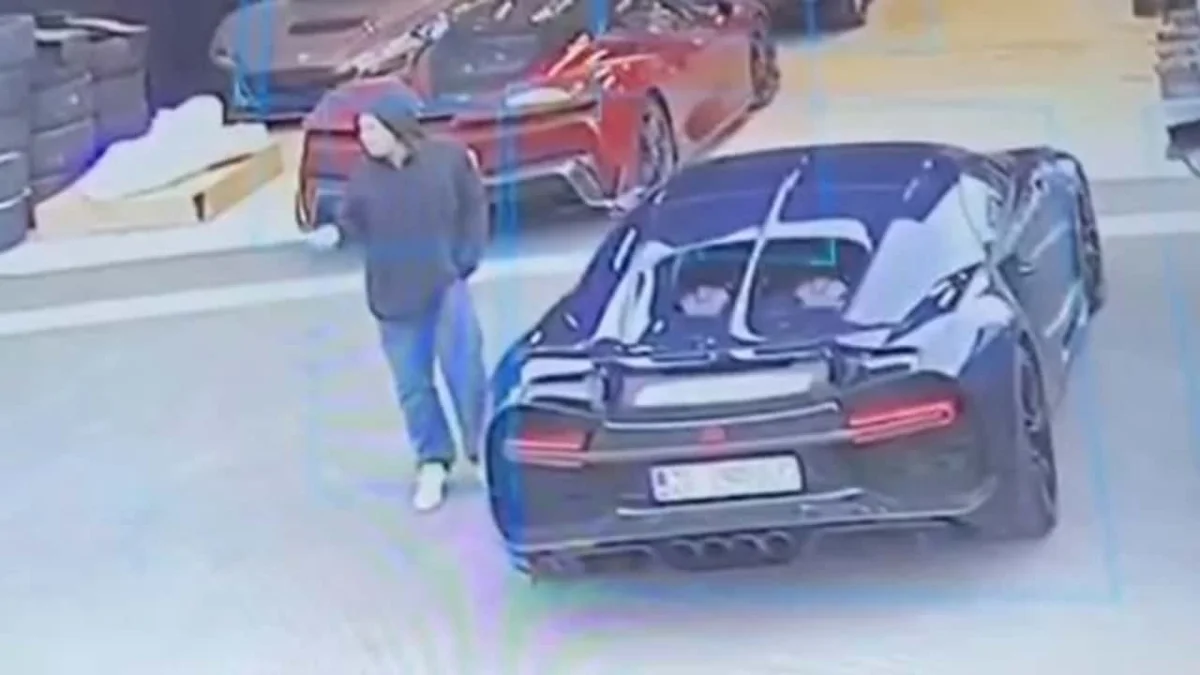
Rimac, CEO of Bugatti Rimac, recounted the incident on Instagram. He said he had grown used to leaving keys in his cars, apparently assuming nobody would try to take a vehicle worth millions of euros. That assumption failed when an employee saw the Chiron leaving the premises and alerted colleagues.

Telemetry turned the Chiron into a tracker
The team quickly used a group chat to check whether the car’s departure had been authorized. Once it became clear that it hadn’t, Rimac contacted police. He then set off in a Porsche 911 that was nearby and had a full tank of fuel.

The Chiron had already been on the road for about an hour. Its driver was heading toward Slovenia, giving the team a substantial head start to overcome. Live telemetry supplied updates on the Bugatti’s location, speed, fuel level and other vehicle data. Rimac’s colleagues relayed those details through the chat, including to police.
That information made it possible to follow the car’s movements as it crossed borders. In this case, connected-car data served as a practical recovery tool: the team could watch the Chiron’s progress and pass along useful location updates while Rimac pursued it by road.

Rimac later questioned why the car could not simply have been switched off remotely. The source account doesn’t say whether the Chiron had a remote immobilization function or whether one was considered during the pursuit. It does make clear that the available telemetry provided location and operating data, while the recovery ultimately depended on police intercepting the car.

The drive continued into Austria
Rimac had hoped the suspect would be stopped before reaching another country, but the Chiron made it into Austria. The fuel level became a factor: the car ran out of fuel, and the team expected the driver would have to stop at a station.

According to Rimac, the suspect did refuel, adding roughly half a tank for the Chiron’s 8.0-liter W16. He then drove on without paying for the fuel. The account offers no further details about the route or how long the pursuit lasted after that stop.
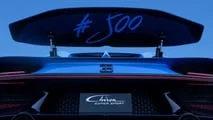
An Austrian police officer was following the group chat and receiving the location updates. Police eventually intercepted the Chiron, bringing the chase to an end. The chain of events shows how quickly a vehicle with live data can become traceable once the right people are watching and sharing its movements.
Minor damage, major change to key handling
The car came back with some minor damage to its front bumper. Rimac said it was straightforward to repair, and the Chiron otherwise emerged largely unscathed. The source identifies the car’s output as 1,103 kW, or 1,500 PS, underscoring the value of recovering it before the trip ended in a crash or more serious damage.
Rimac said he chose not to file a complaint because he felt sorry for the man who took the car. That personal decision doesn’t establish what consequences the suspect might face; the account gives no further details on that point.
The incident has changed Rimac’s approach to vehicle security at the factory. He said the company will no longer leave keys lying around. He also issued a blunt warning to anyone considering a similar joyride: “We have all the data, and you can’t do anything with the car without us.”
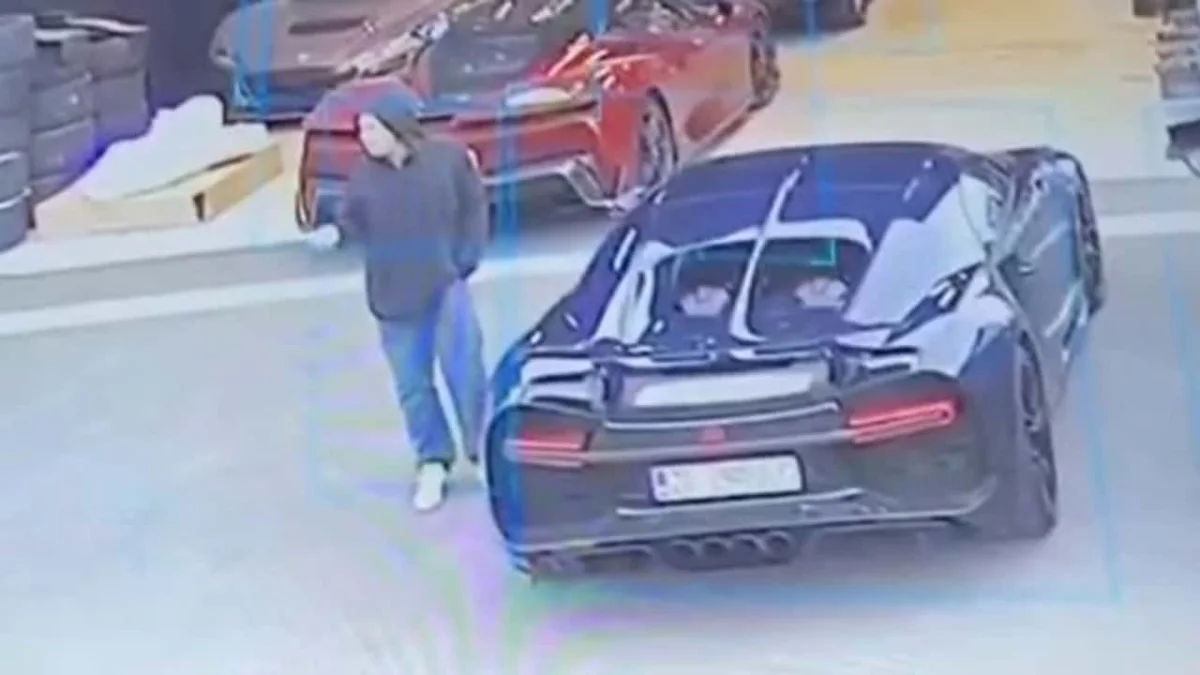
Rimac shared factory surveillance footage showing how casually the theft began. In the video, the suspect smokes a cigarette, walks through the facility and finds the keys inside the Chiron. He then gets behind the wheel and drives away. The footage, paired with telemetry updates, gives the story an unusually clear sequence from opportunity to recovery.
For owners and operators of high-value cars, the practical lesson is simple: connected data can help locate a vehicle, but it doesn’t replace basic key control. The Chiron was recovered with limited damage, and Rimac says the factory’s habits have changed. That should be the lasting takeaway from an expensive reminder that a key left in the cabin can make a remarkable car easy to take.