Volkswagen Pauses Electric ID. Golf Development, Pushing Launch Toward 2030
VW has paused ID. Golf development to control spending. The ID.3 Neo and combustion and hybrid Golfs will bridge the wait.
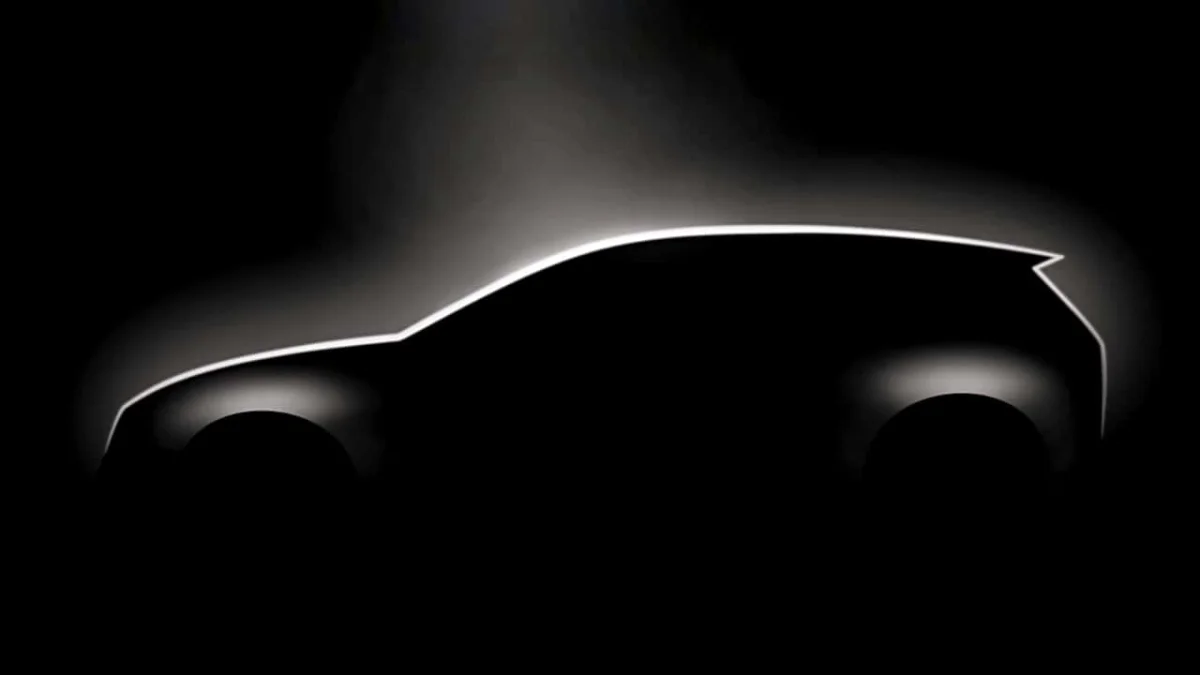
Volkswagen’s electric Golf is waiting on funding. The company has temporarily paused development of the ID. Golf as it reins in spending, adding another delay to a compact EV that was already unlikely to arrive before 2030. VW hasn’t cancelled the project, but it hasn’t set a date for work to resume either.
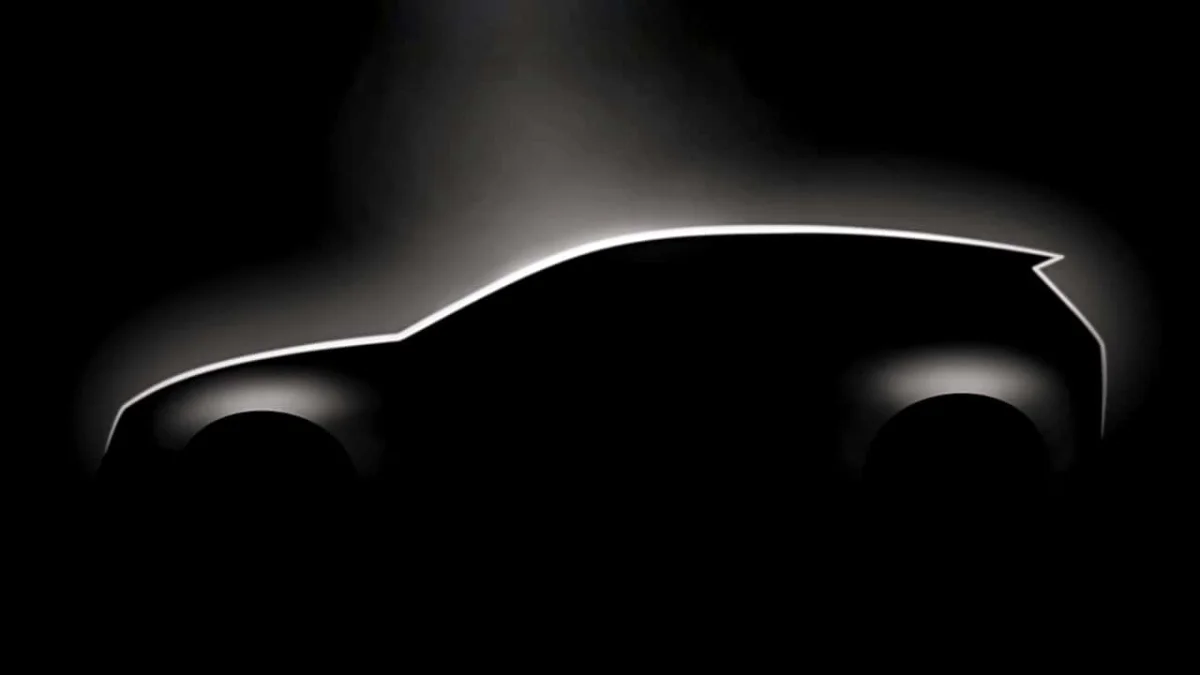
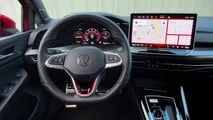
That leaves buyers without a near-term electric Golf to weigh against the ID.3 Neo. It also makes the familiar combustion Golf and its hybrid versions more important to VW’s compact lineup while the company works through the costs and timing of its next vehicle platform.

Spending discipline puts the ID. Golf on hold
David Powels, finance chief for the Volkswagen brand and Brand Group Core, confirmed the pause during a presentation of results for the first nine months of the year. He said VW would temporarily stop development work on the future ID. Golf until it could “secure the necessary investments.” The company described the decision as a response to a difficult business environment and the need to choose carefully where it commits funds.

The wording matters. VW has framed the move as a pause, leaving the door open to restart development when funding is available. But there’s no published timetable for that restart, and no revised launch date. The practical result is that the ID. Golf remains a future possibility rather than a product buyers can plan around.
There’s also a clear commercial tension here. VW has repeatedly emphasized electrification, and the Golf name carries considerable weight in the brand’s history. Yet a high profile name alone can’t make a new EV affordable to develop. The company is choosing to defer spending until it sees room to support the project, while electric vehicles across the group are reported to be less profitable than comparable combustion models.
A platform delay adds to the wait
The ID. Golf was originally expected later this decade. Its schedule was already tied to the Volkswagen Group’s Scalable Systems Platform, or SSP, a forthcoming architecture intended to underpin a broad range of electric vehicles. Software problems and rising development costs have delayed the platform, complicating plans for the models that depend on it.
VW chief executive Thomas Schäfer had previously indicated that the company didn’t need an electric Golf in 2028 and that a launch around 2030 looked more realistic. The first SSP based vehicles are now expected to come from Audi and Porsche before the Volkswagen brand gets its turn. The funding pause adds another uncertainty to that sequence, so 2030 should be read as a previous expectation, not a confirmed arrival date.
For drivers, the distinction between a delayed product and a cancelled one offers limited comfort in the near term. The ID. Golf’s eventual specifications, price, range and availability remain unknown. Without those details, buyers can’t compare it meaningfully with rivals or decide whether to wait. VW’s next concrete signal will be a resumption of development and a clearer product schedule.
The ID.3 Neo becomes the bridge
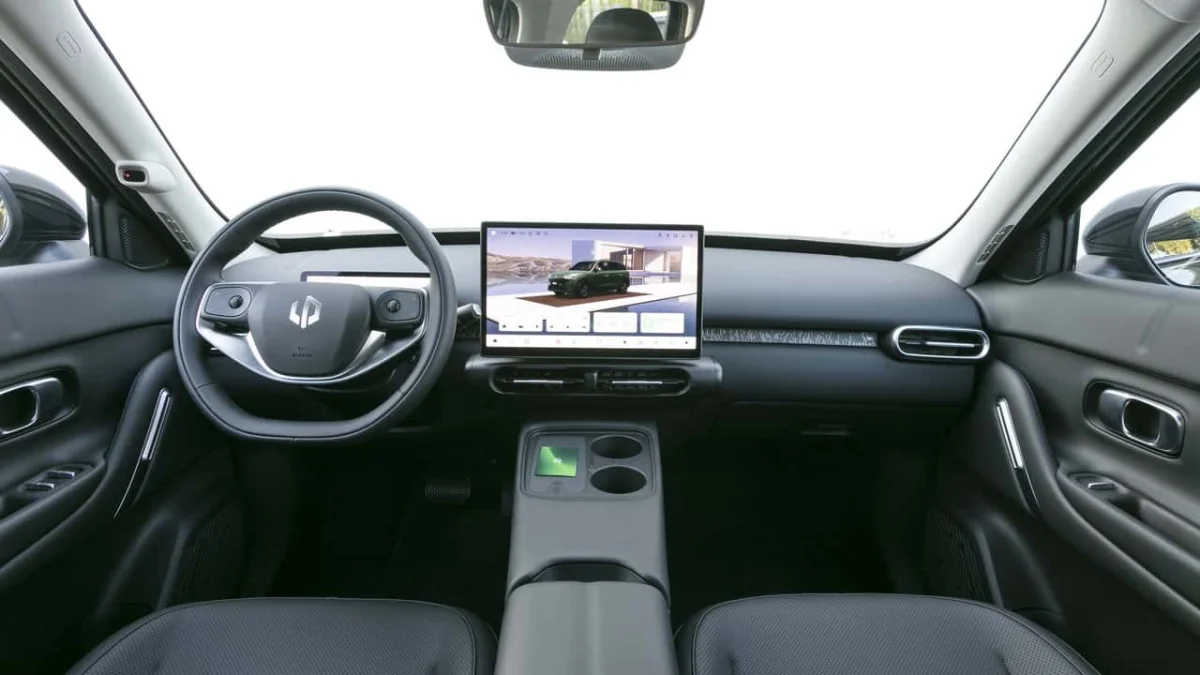
The ID.3 Neo, the refreshed version of VW’s electric compact hatchback, was expected to help lead into the electric Golf’s return. With the Golf project paused, the Neo could have to serve as the brand’s main electric compact for longer than planned. That extends the model’s role in the lineup, though VW hasn’t specified how long the current product will remain on sale.
The two cars also represent different approaches to VW’s compact EV range. The ID.3 was designed from the outset as an electric vehicle, while the planned ID. Golf would bring an established name back to an electric format. The source provides no technical details for the future Golf, so it’s too early to say how the models might differ in size, packaging, range or price. For now, the Neo is the available reference point for buyers considering a Volkswagen electric hatchback.
VW has been down this road before, though with a different kind of car. The e-Golf, based on the seventh generation combustion Golf, went on sale in 2014 and remained in production until 2020. It was phased out to make room for the ID.3, which didn’t need a combustion platform adapted for battery power. The planned ID. Golf would therefore mark a return of the name to an all electric model, but not a continuation of the e-Golf’s engineering approach.
Combustion and hybrid models hold the line
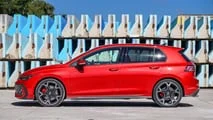
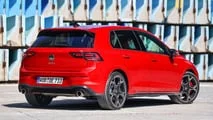
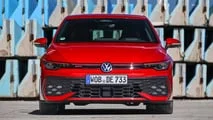
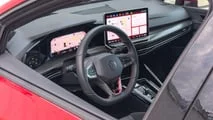
Until an electric successor is ready, VW’s combustion Golf, full hybrid and plug in hybrid versions will carry the nameplate. The source points to a possible additional update for the current Golf in 2027, around the time production is expected to move from Wolfsburg to Puebla, Mexico. VW has confirmed the production transfer as part of a restructuring of its European manufacturing footprint; the Puebla plant is preparing to build both the Golf and Golf Variant.
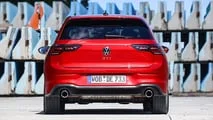
A further update would help the current generation stay fresh if the electric replacement remains years away. It could also affect closely related models: the Skoda Octavia and Seat/Cupra Leon share substantial hardware with the Golf. If their shared underpinnings remain in use longer, the timing of those models’ replacements could stretch as well. The source doesn’t give a revised schedule for either car, so the extent of any knock on effect is unclear.
VW’s decision shows how closely the electric Golf’s prospects depend on both platform readiness and funding. The immediate lineup is set to rely on the ID.3 Neo alongside combustion and hybrid Golfs, while the longer term plan waits for investment and a workable development schedule. Until VW restarts the project, the electric Golf’s name is clearer than its timing or product details.