Ford Capri buying guide: five MkI, MkII and MkIII models compared
From the early 2000 GT XL to the 2.8i, five classic Capris offer distinct performance, economy and price trade-offs.
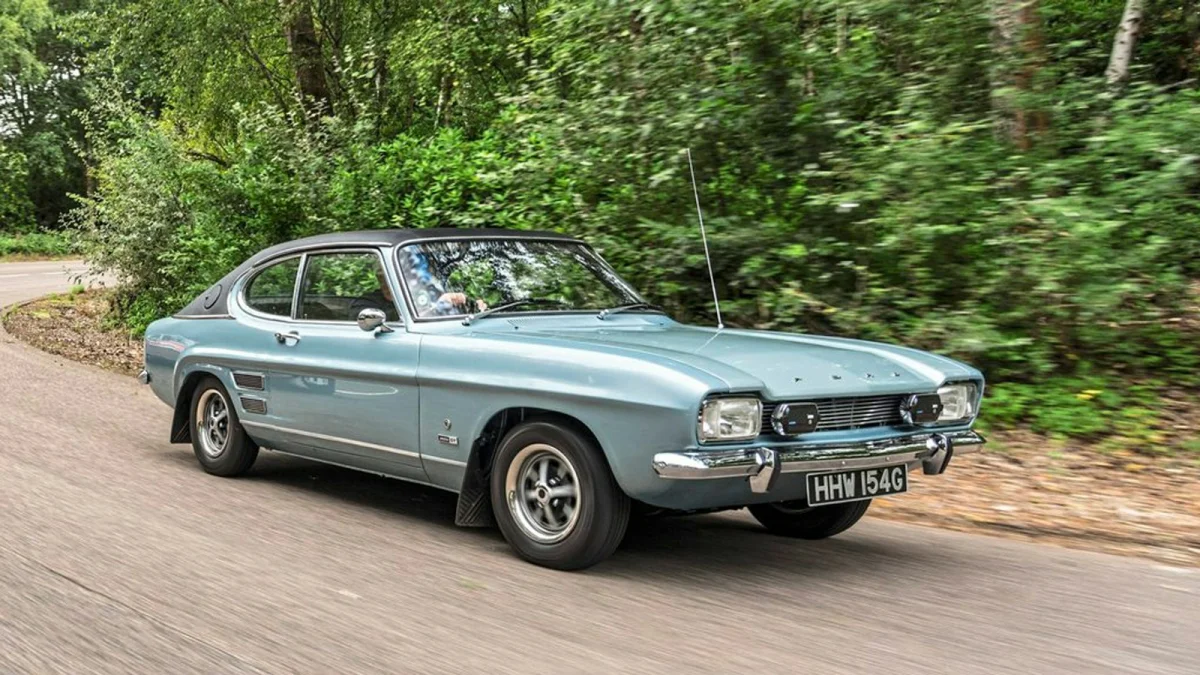
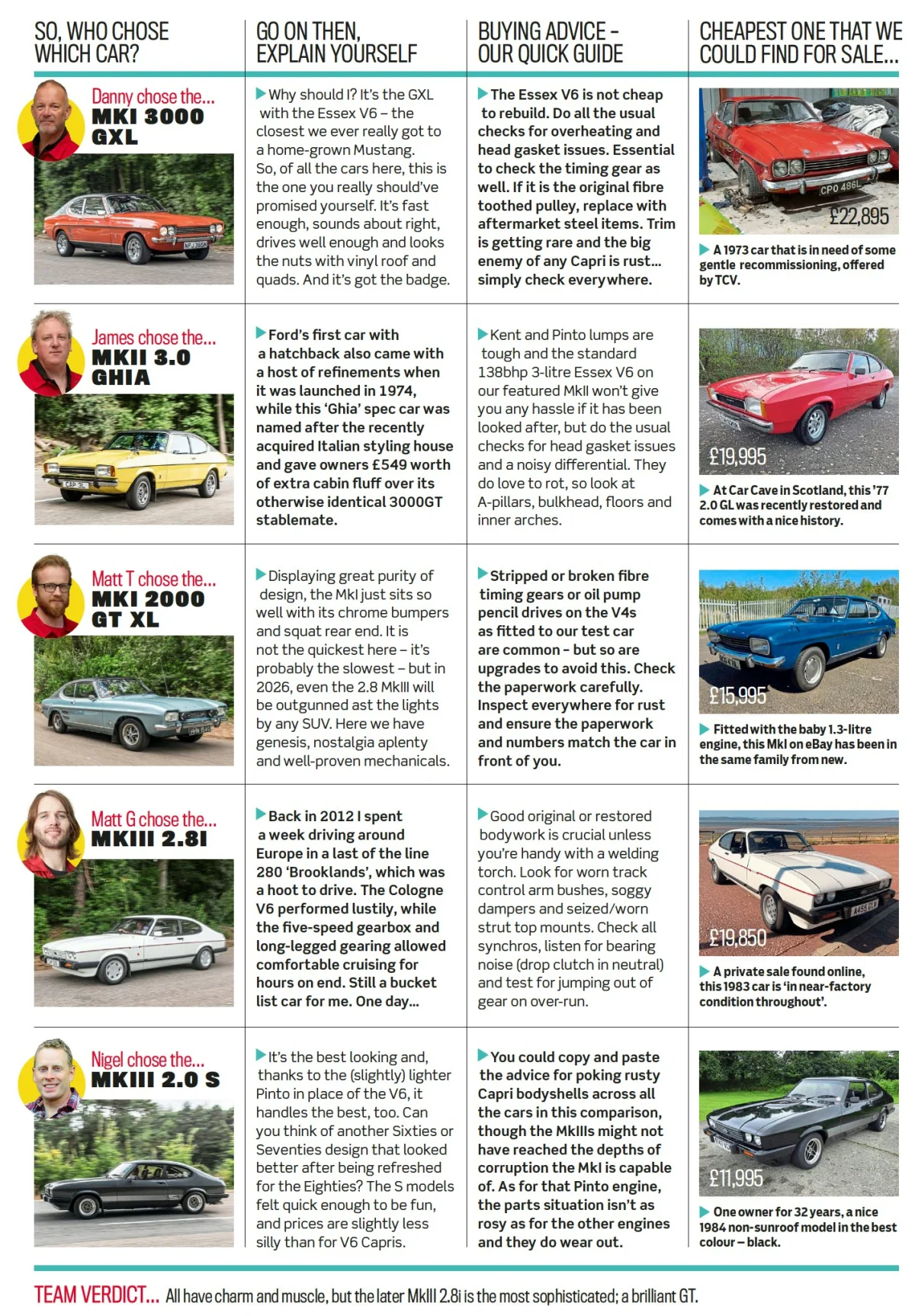
The Ford Capri’s appeal lies in the choice it offered: a long, muscular coupé shape paired with a broad spread of engines and equipment. These five versions show how much the formula changed between the original 1969 car and the final MkIII-era models. The quickest here is the 1987 2.8i; the most economical on paper is the early 2000 GT XL. Buyers today face a wide spread in the stated values, so condition and the character of the individual car matter alongside its badge.
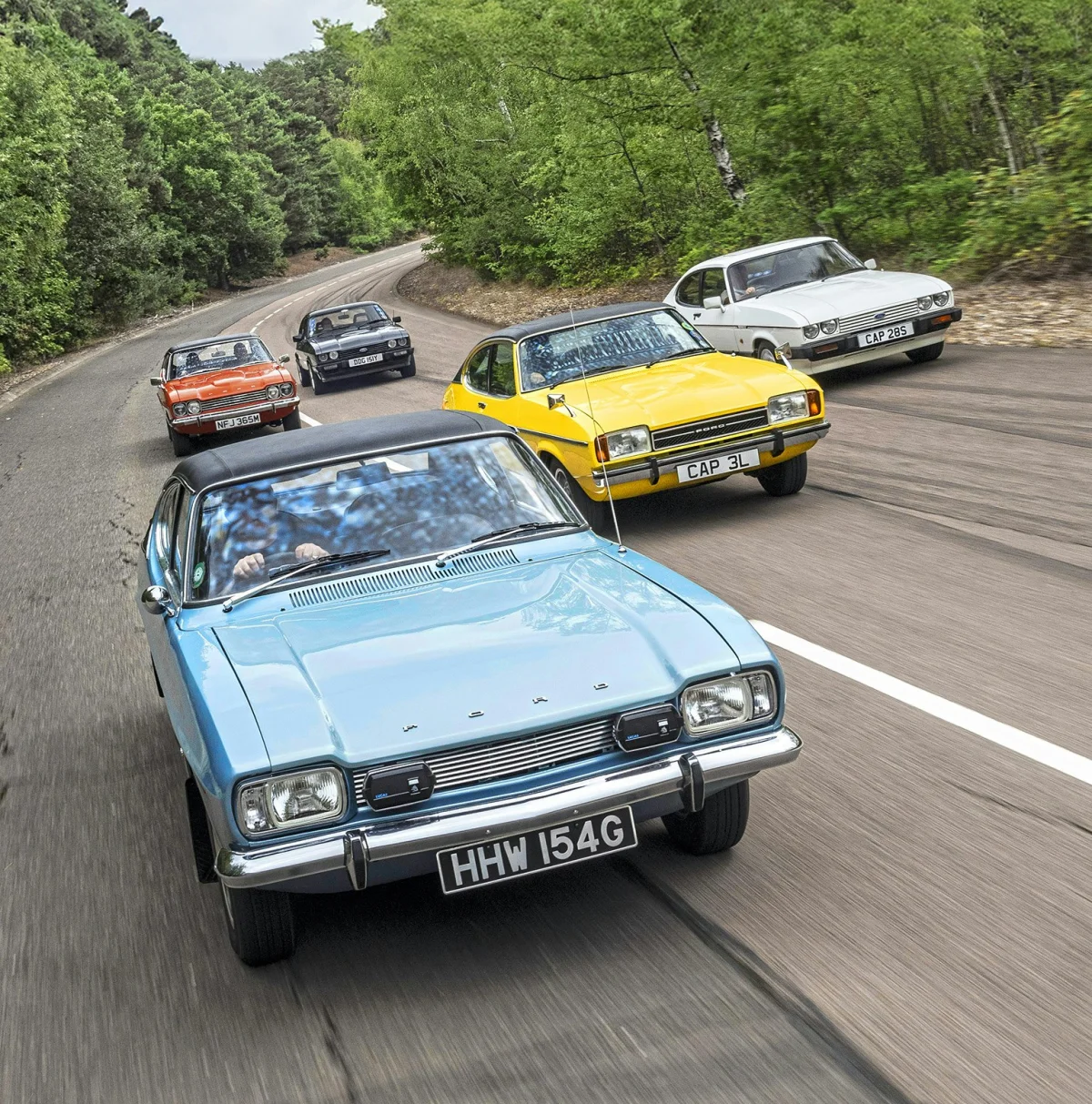
Developed at Dunton in the UK, the Capri used shared Ford mechanical parts beneath distinctive coupé styling. Its 1969 debut drew on the visual language of the Mustang, while the range’s engines stretched from a 1.3-litre four-cylinder to a V6. The second generation brought greater refinement, and the third broadened the offering further. Across 18 years, Ford sold 1.9 million Capris, leaving prospective owners a choice of generations, engines and trim levels.
Early Capri: four-cylinder economy or V6 pace
1969 Ford Capri MkI 2000 GT XL
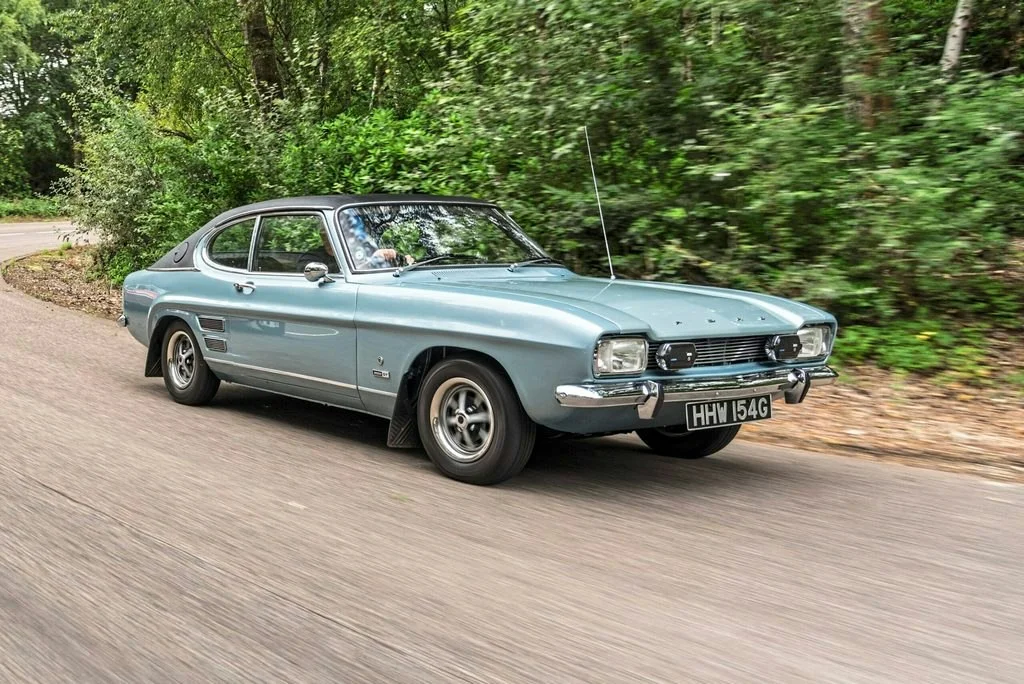
The original-generation 2000 GT XL is the entry here for buyers drawn to the Capri’s first, more distinctly Sixties-era design. Its 1996cc, four-cylinder OHV engine produces 93bhp at 5500rpm and 104lb ft at 3600rpm. A four-speed manual sends power to the rear wheels. Ford quoted 0-60mph in 10.6 seconds, a 106mph top speed and 28mpg.
That fuel-economy figure is the best among these five, while its performance is the most modest. The listed value is £3500-£20,000, against a new price of £1087.53. The broad current range underlines how much the individual car’s condition and specification can affect the asking price.
1973 Ford Capri MkI 3000GXL
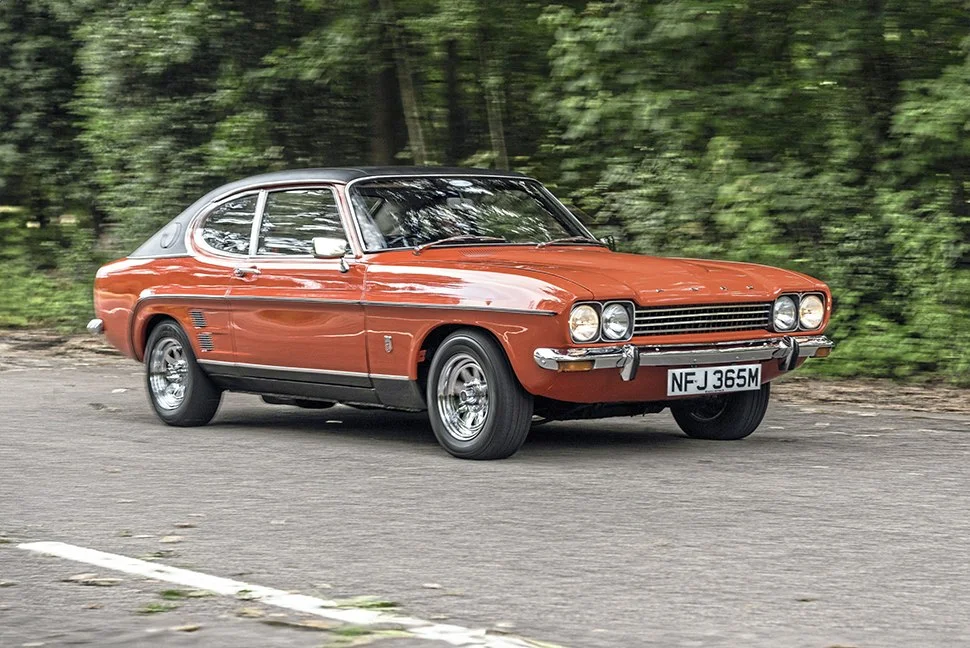
The 3000GXL brings the early Capri’s V6 character into the comparison. Its 2993cc six-cylinder OHV engine makes 138bhp at 4750rpm and 174lb ft at 3000rpm, paired with a four-speed manual and rear-wheel drive. The published figures are 8.3 seconds to 60mph, 122mph and 23mpg.
Compared with the 2000 GT XL, it gives up the latter’s stated economy in exchange for stronger acceleration and more torque. Its value is listed at £4750-£27,500; new, it cost £1824. The price spread is the widest of the five, making the specific example a key part of any comparison.
MkII comfort, MkIII choice
1974 Ford Capri MkII 3.0 Ghia
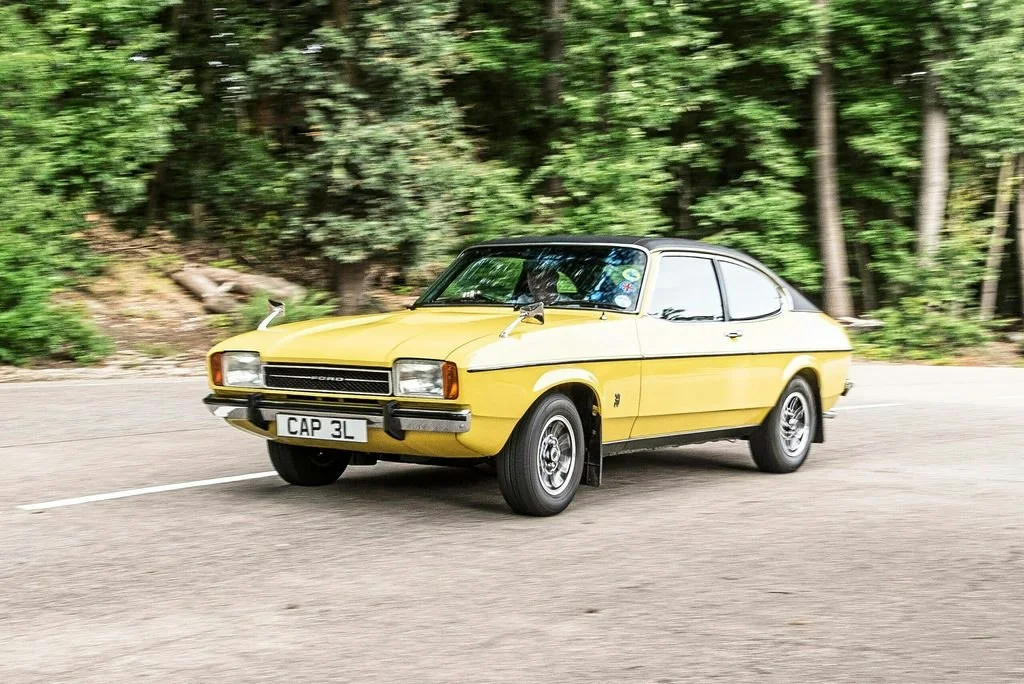
The 3.0 Ghia pairs the 2994cc V6 with a three-speed automatic, making it the sole automatic in this group. Output is 138bhp at 5100rpm and 174lb ft at 3000rpm. Ford’s figures give a 0-60mph time of 9 seconds, a 122mph top speed and 23mpg. Its listed value runs from £4000 to £25,500, compared with £2444 when new.
Its headline power and torque match the 1973 3000GXL, but the gearbox changes the character: this is the choice for someone who prefers automatic operation over the earlier car’s four-speed manual. Both use front disc and rear drum brakes, with servo assistance, and both have rack-and-pinion steering.
1983 Ford Capri MkIII 2.0S
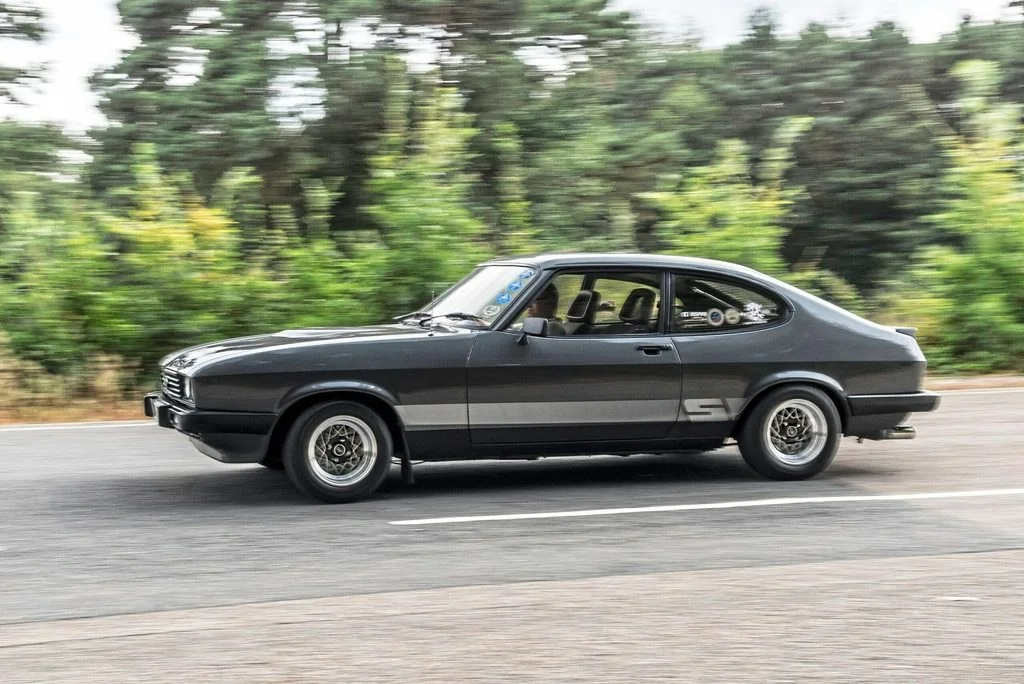
The 2.0S takes a more measured approach. Its 1993cc four-cylinder OHV engine produces 98bhp at 5200rpm and 112lb ft at 3500rpm, driving the rear wheels through a five-speed manual. It reaches 60mph in 10.8 seconds, has a listed top speed of 111mph and returns 23mpg in the stated figure. The new price was £3664; current values are £2250-£15,000.
Against the 2000 GT XL, the 2.0S offers a five-speed gearbox and slightly higher power, but its listed economy is lower and its acceleration figure is fractionally slower. It’s the least expensive model by the top end of its quoted value range, though individual condition still shapes what a buyer will pay.
1987 Ford Capri MkIII 2.8i
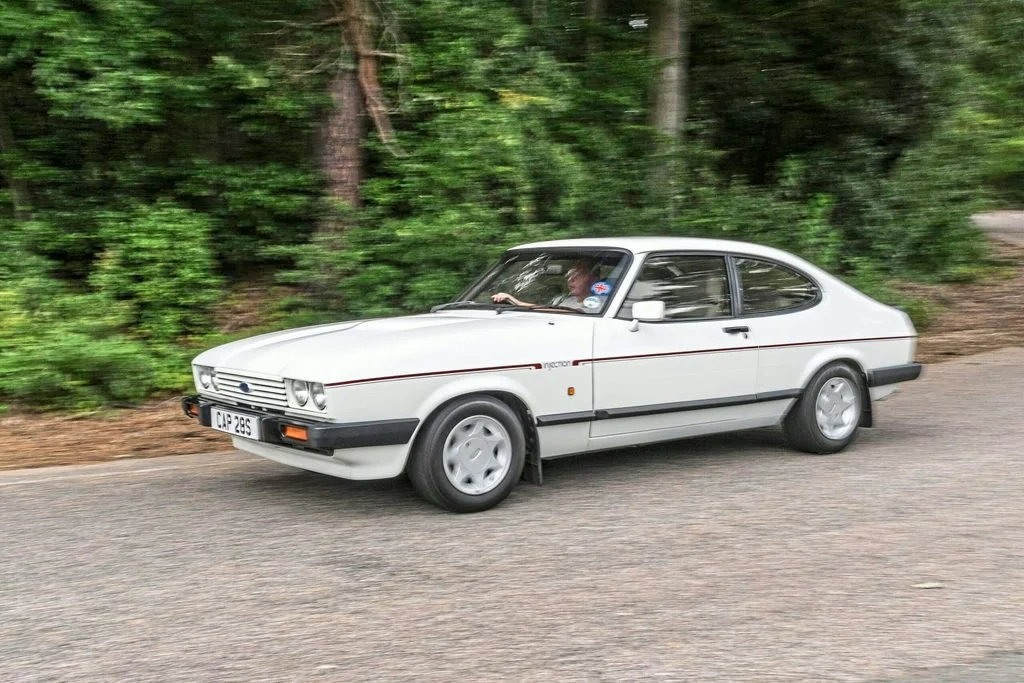
The 2.8i is the performance standout. Its 2792cc V6 makes 160bhp at 5700rpm and 162lb ft at 4200rpm. A five-speed manual, rear-wheel drive and limited-slip differential complete the drivetrain. The stated figures are 8.2 seconds to 60mph, 126mph and 22mpg. At £7995 new, it was the most expensive of these examples; its current value is quoted at £3000-£24,500.
It’s the quickest and fastest Capri in this selection, while its stated fuel economy is the lowest. Power-assisted rack-and-pinion steering distinguishes it from the other listed cars. For a buyer weighing performance against running costs, that mix makes the 2.8i’s appeal plain: more pace and a limited-slip differential, with 22mpg as the published economy figure.
What the figures say
Across the five cars, the choice is less about a single best Capri than about the balance each offers. The 2000 GT XL has the strongest stated economy, the 2.8i leads on acceleration and top speed, and the 3.0 Ghia adds an automatic transmission to V6 power. The two four-cylinder cars show how the Capri’s appeal extended beyond outright performance, while the GXL and Ghia share the same quoted torque figure despite their different generations and gearboxes.
All five have front disc and rear drum brakes with servo assistance. Their suspension layouts also share MacPherson struts at the front and a live axle at the rear, with details varying by model. These specifications help frame a comparison, but they can’t describe the condition or feel of a particular surviving car. The useful starting point is to decide which generation, engine and gearbox suit the intended use, then assess the example itself against the broad price range listed for that model.