Chris Horton’s Volvo 144 Restoration Keeps 50 Years of Family History on the Road
After replacing extensive rust, Horton returned his grandparents’ 1972 Volvo 144 to daily use, keeping its familiar dents and family mementos.
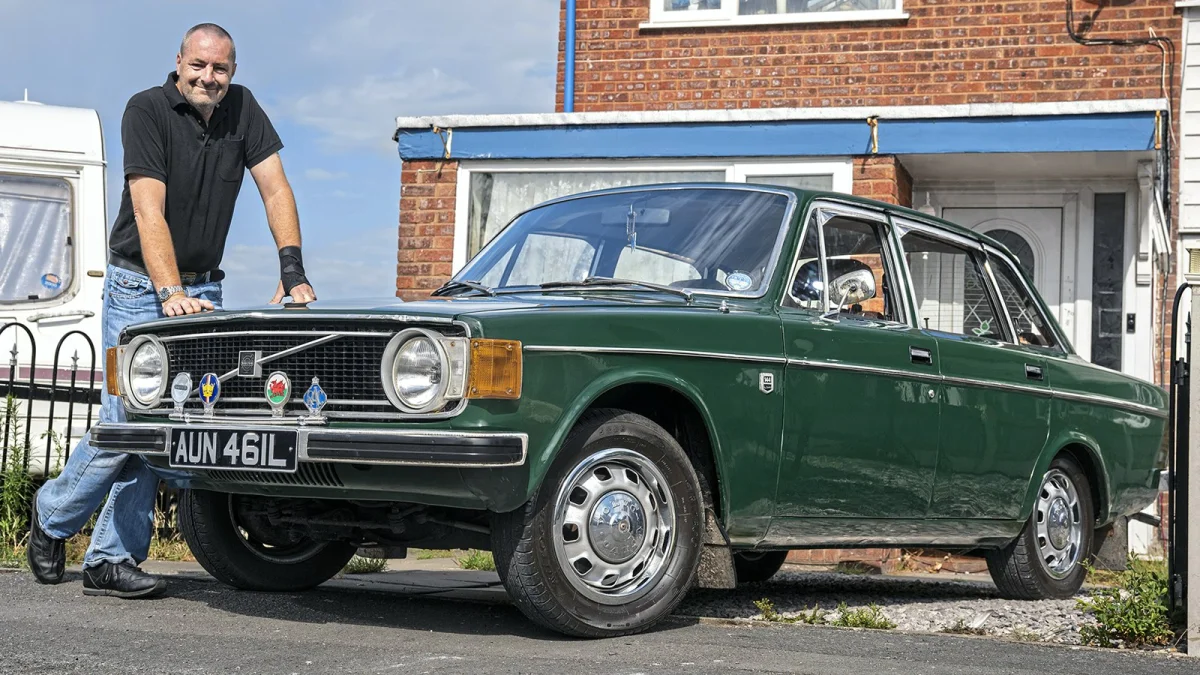
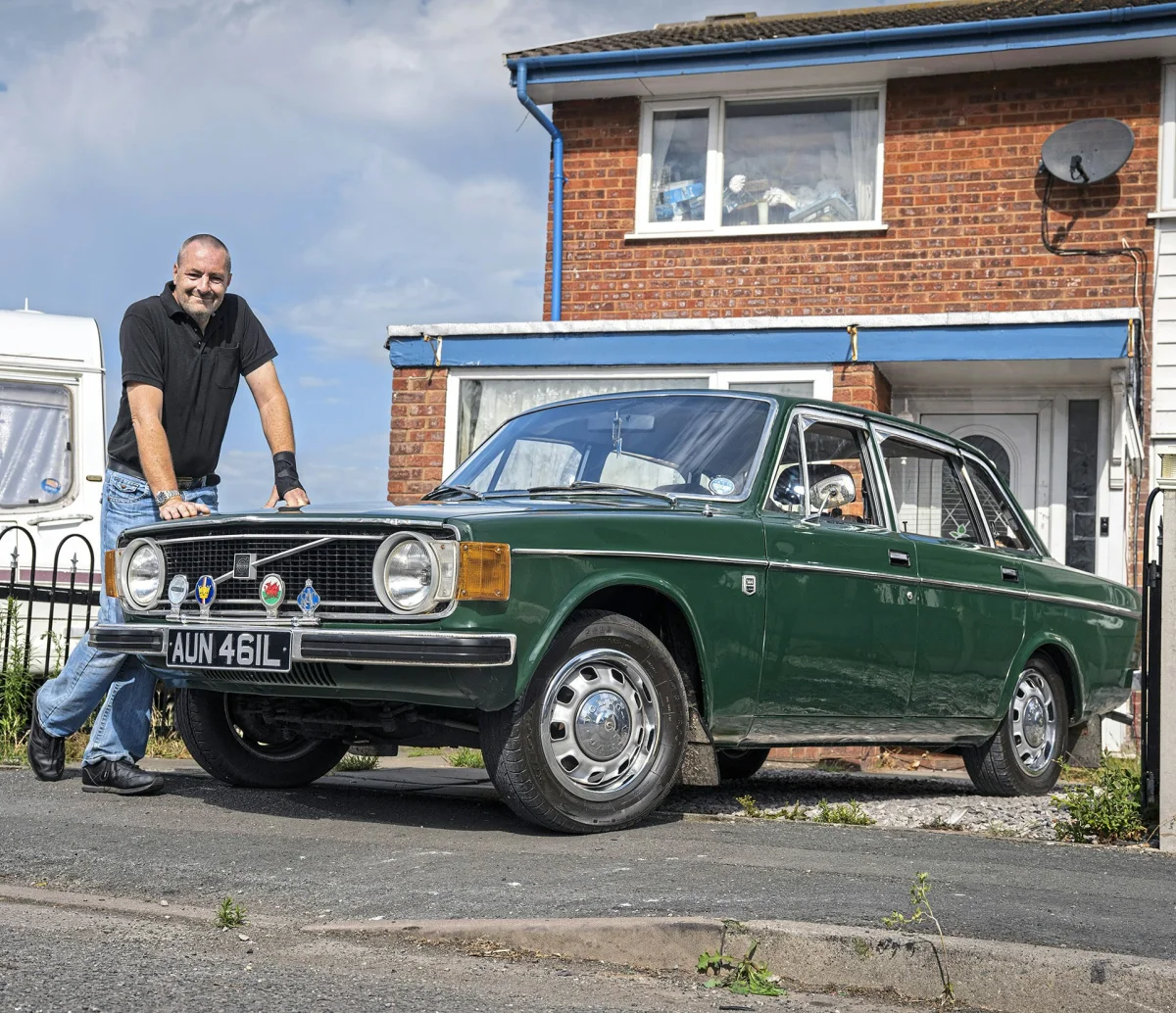
Chris Horton’s Volvo 144 is back on the road after seven months of extensive repairs, but its restoration wasn’t meant to erase the car’s history. The 1972 saloon still wears dents from family mishaps, carries small keepsakes from its earlier life and bears the signature of Horton’s grandmother, Vera. Its return shows how a classic can be rebuilt for regular use while keeping the details that make one particular car irreplaceable.

Horton began work in October 2022. The Volvo had spent 22 years parked in his garden, and its body had suffered badly: sections of the sills, wheelarches, floor and windscreen surround had rotted away. He’s a mechanic with experience welding and restoring other cars, but this project carried a different weight. The 144 had belonged to his grandparents, and he wanted it to look as he remembered it, rather than emerge as an untouched showpiece.
A family car left in the garden
Eric and Vera bought the Volvo new from Pensarn Motor Company in 1972. Eric was away at sea for much of the first two years, serving in the Merchant Navy, and died in 1979. Vera kept the car until she stopped driving in the late 1990s, then passed it to Horton. He used it as his own car for about a year before a leaking radiator and failed water pump persuaded him to park it. Like plenty of mechanics, he found other people’s cars easier to get around to fixing.
After Vera died, the 144 stayed in Horton’s garden in Prestatyn for 25 years. It moved house with him three times, each time on a trailer. The project finally became possible after his paternal grandfather died in 2022 and left him some money. Horton says it wasn’t a large sum, but it was enough to get started. The first task was to make the car run well enough to load onto a trailer.
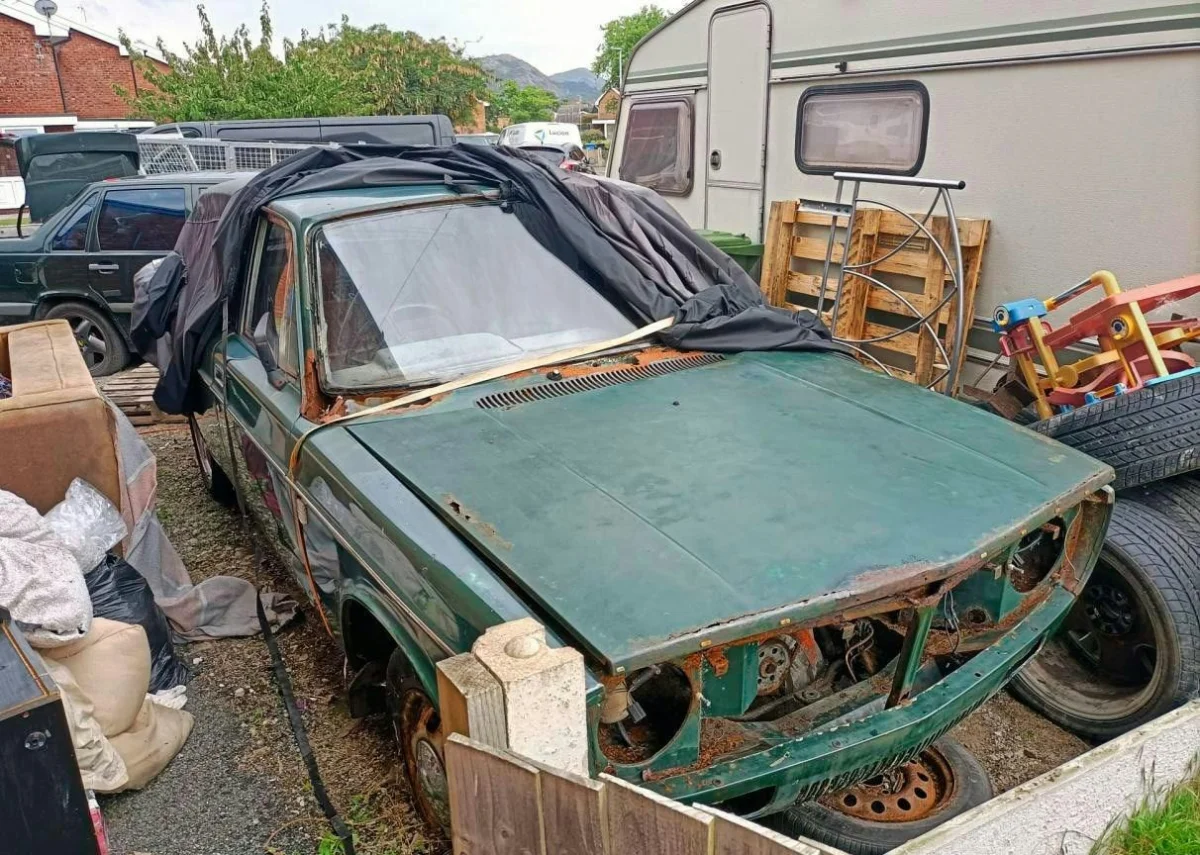
The car had seldom travelled far even when it was in regular use. Horton estimates it left Wales only four times: his grandparents drove it to Birmingham, he took it to Wrexham twice, and Vera drove to Liverpool to meet Eric when his ship returned. The Merchant Navy crest remains on the badge bar.
Other traces turned up as Horton stripped the car, including a half-empty packet of Players No. 6 cigarettes in the glovebox and Vera’s glasses in a door pocket. Both are still there. The original purchase receipt and other papers weren’t so lucky: boxes of parts stored in the car disappeared before the restoration. Horton describes those items as valuable to him because they belonged to the car’s story, even if they had little practical value to anyone else.
Keeping the marks that matter
Horton deliberately left some damage alone. A chrome strip on the bonnet has a crease at one end and a twist at the other. The marks came from the cramped garage at his grandparents’ home: the bonnet had been nudged against a workbench, and the vice left its own impression. Replacing the strip would have been straightforward, but to Horton it would also have removed a reminder of the car’s life in that garage.
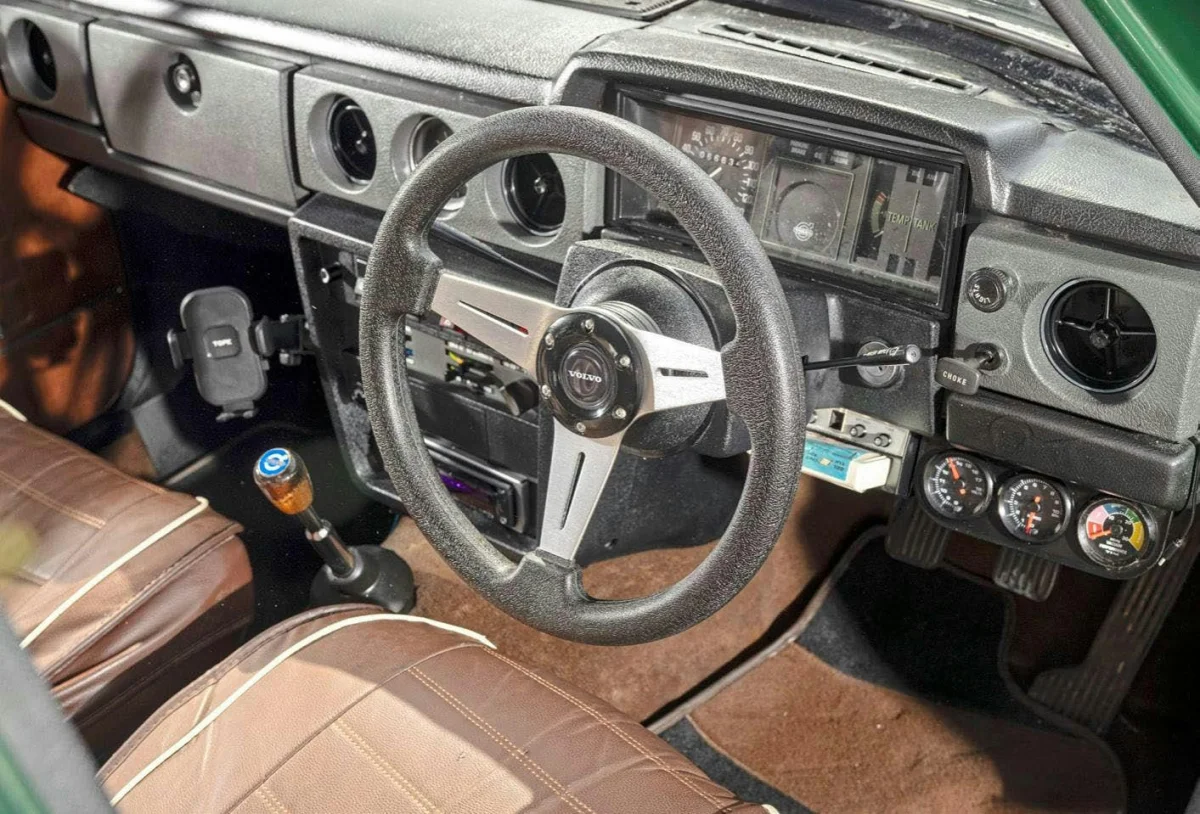
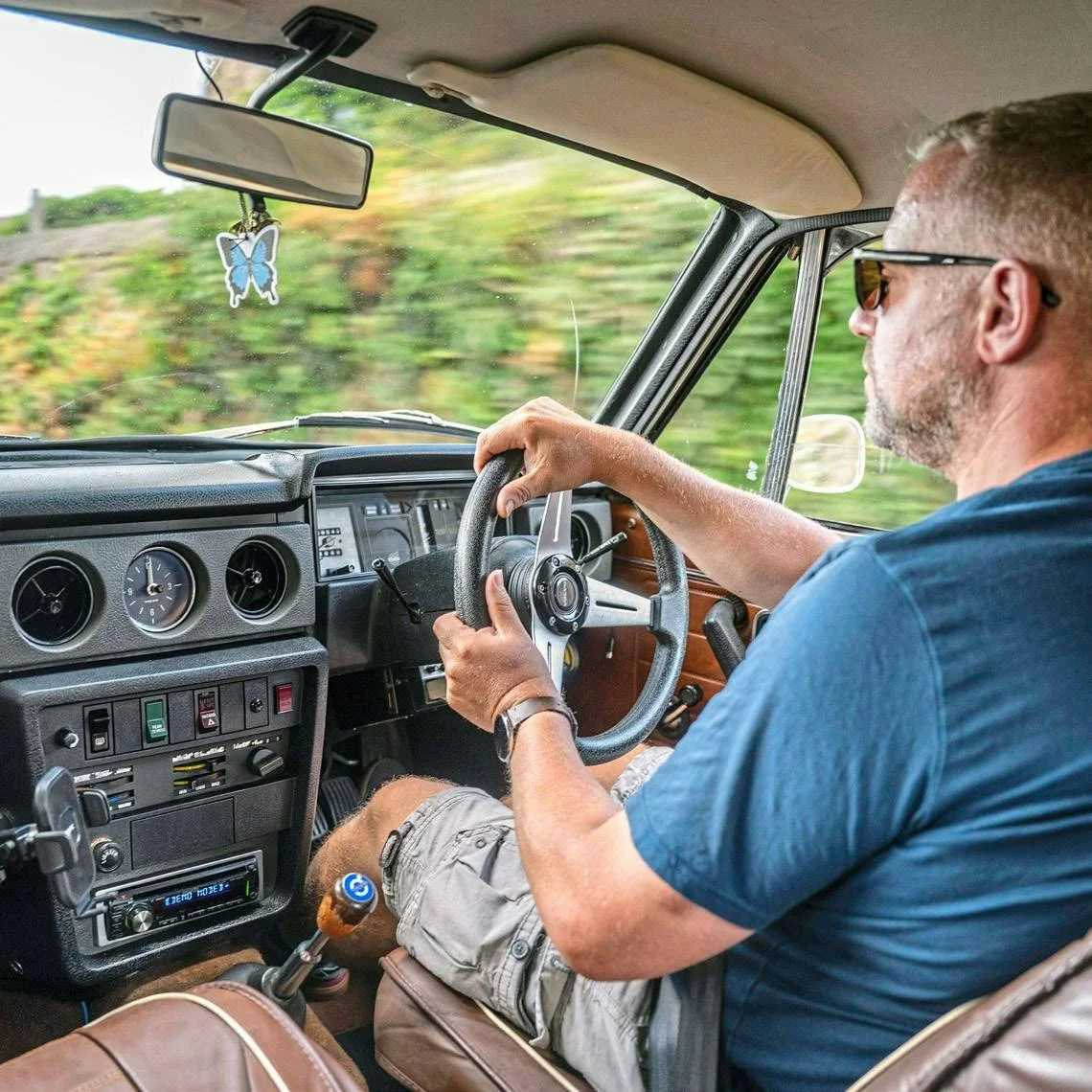
Inside, the Volvo retains its familiar layout, with a smaller steering wheel fitted for more room.
A dent in the passenger door has another story. When Horton was 10, he opened it on Rhyl Promenade into a gale. The wind caught the door, broke its check strap and swung it into the wing. The rear panel has a crease from a Volkswagen Beetle, while the rear lamp’s surround is cracked. A shallow mark on the rear quarter came from a bump in a church car park; the family pulled most of it out.
These are not signs of a half-finished job. Horton replaced large amounts of metal and rebuilt the car to make it usable. The remaining marks are a choice. He knows the stories behind many of them, and wants the Volvo to retain those memories instead of looking as though it had just left a restoration shop.
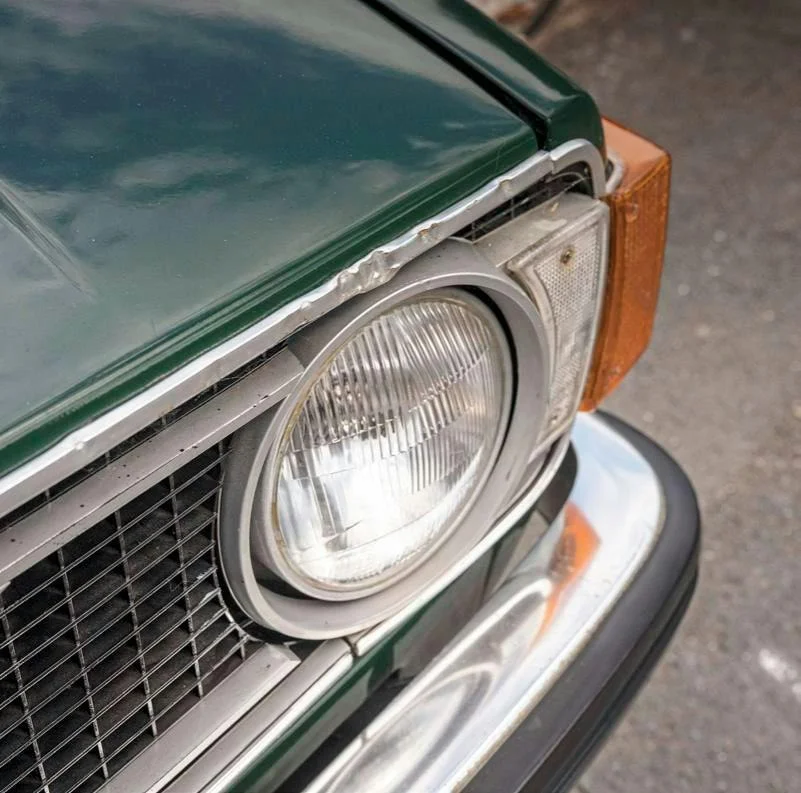
The old workbench vice left its mark on the bonnet around 1981.
“I’ve tried to leave it as it was in my childhood,” Horton says. He has cinefilm in the loft showing him learning to walk with the car in the background. For him, that kind of connection matters more than removing every blemish. The Volvo also has personal value that can’t be replicated by finding another 144 in better condition.
Replacing the structure
The garden storage had taken a severe toll. On the driver’s side, the inner and outer sills and rear wheelarch had almost disappeared. There was a large hole in the rear quarter below the C-pillar, while weeds had grown through holes in the bulkhead and scuttle. Horton says the car looked beyond saving to anyone who didn’t know its history.
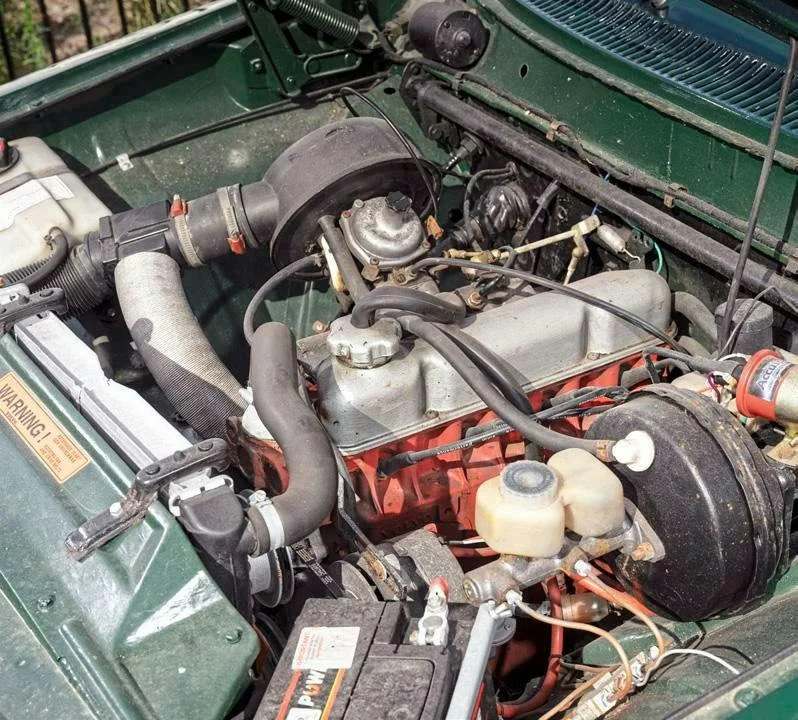
The engine has covered 66,000 miles; the cooling system now uses a Volvo 240 radiator.
Horton did most of the work in a small lock-up at his workplace, with some jobs done at home. He was comfortable with the welding. He grew up when older cars commonly needed metal repairs, and had spent years learning how to keep them on the road. The bigger challenge, he says, was getting the finish right after the bodywork was complete.
For repair sections, he bought parts from eBay and Brookhouse Volvo Parts. A 144 found on Anglesey after 10 years in a hedge became a valuable donor. Horton stripped it for the windscreen scuttle and other body sections, then offered the remaining parts to Volvo enthusiasts through online forums.
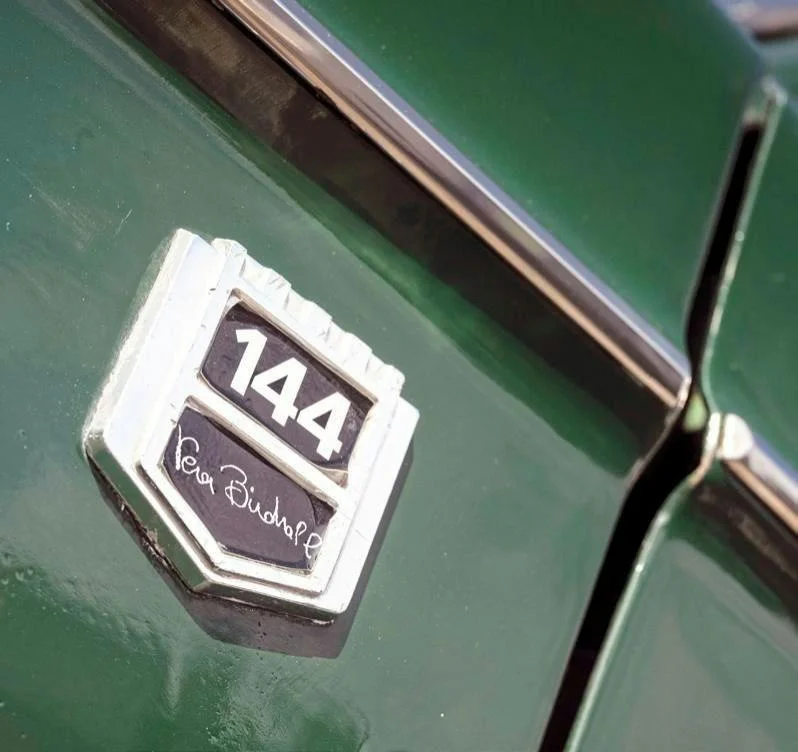
Vera’s signature appears on the car’s restoration details.
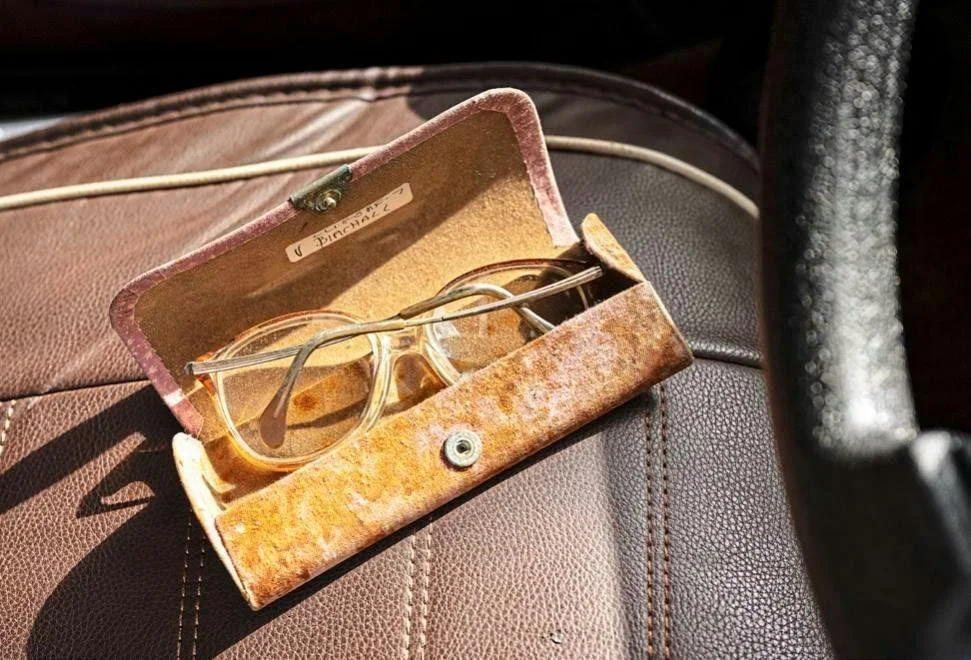
Vera’s glasses remain in the door pocket.
The repair list was extensive: inner and outer sills on both sides, inner and outer rear arches, both lower quarter panels, the spare-wheel well, the front scuttle, part of the bulkhead, the boot lid and sections of the floor. Brookhouse supplied complete sill sections, toe-boards and other parts. It also found a new-old-stock bonnet, since the original was too far gone to reuse.
The driver’s lower side was among the most involved areas. The metal around the door opening and sill had largely vanished, so Horton cut a substantial section from the donor car and fitted it into the Volvo. He took care to preserve the posts rather than cut through them. The windscreen surround also came from the donor, and had to be positioned accurately enough for the glass to fit again.
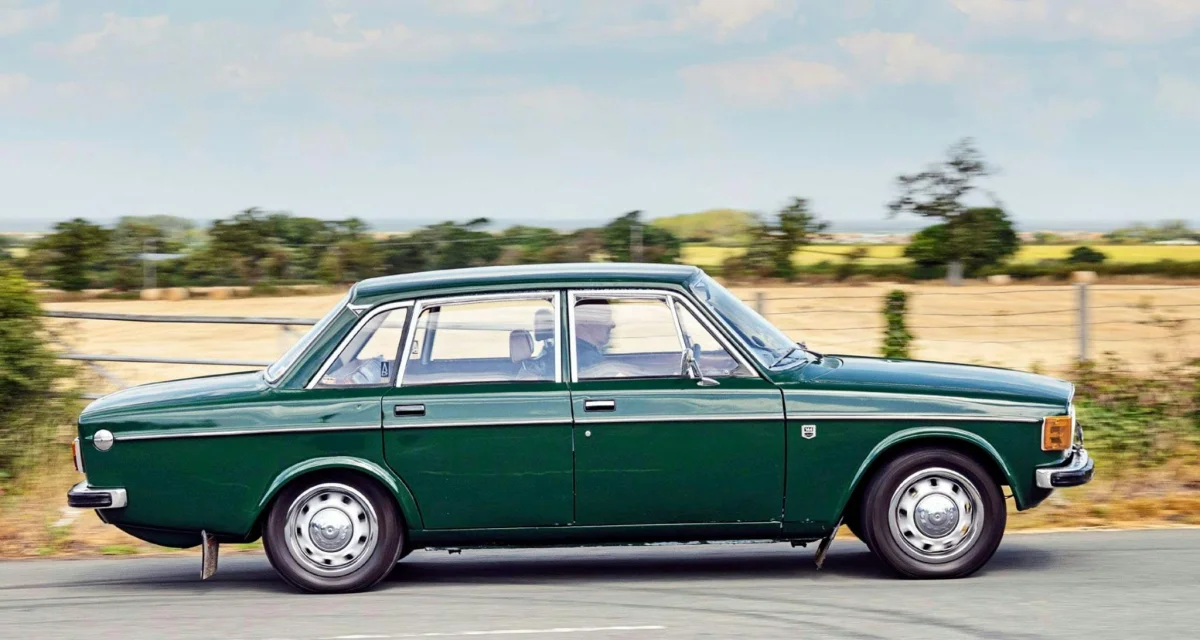
Horton’s approach pairs extensive structural repairs with everyday usability.
Not every part of the finished floor is from a new repair panel. The Volvo’s floorpans are made in sections, and Horton used new toe-boards from Brookhouse but filled part of the rear floor with metal cut from the old bonnet. It’s an unusual way to retain a piece of the car, but it also made use of metal that would otherwise have been discarded. The seams were welded in place.
Once the welding was done, Horton painted the car outside on a tarpaulin laid over a gravel car park. He hadn’t painted a car before and was pleased with the result. The work then turned to assembly, including electrical repairs. Rodents had damaged parts during the long period the Volvo sat in the garden, and finding a replacement original wiring loom would have been expensive.
An eBay wiring harness intended for a hot rod with a GM small-block V8 proved a practical substitute. Horton paid about £100 and says its clearly labelled wires made it easier to connect switches and relays. He had to add a button for headlight flashing and main beam because the original relay arrangement on the steering column couldn’t be used with the new harness.
Simple mechanical changes, everyday use
The 66,000-mile engine was left untouched, though Horton overhauled the brakes and changed the cooling setup. A Volvo 240 radiator now sits at the front. Fitting it meant modifying the front chassis leg slightly to make room for the bottom hose, but Horton says the replacement arrangement cost less than £100, compared with six times as much for a 144 system.
The other notable change is the tyre size: 195/65 R15, a size more commonly found on newer cars. The smaller steering wheel gives Horton more room, though the combination of that wheel and the wider tyres makes the steering heavy. The car keeps its four-speed manual gearbox and original 1986cc engine specification.
Horton finished the project in seven months, then added badges to the front wings. Beneath the “144” lettering is Vera’s signature, reproduced for the car. The detail brings the restoration’s aims into focus: the work gives the Volvo a sound basis for continued use, while leaving visible reminders of the people who owned it.
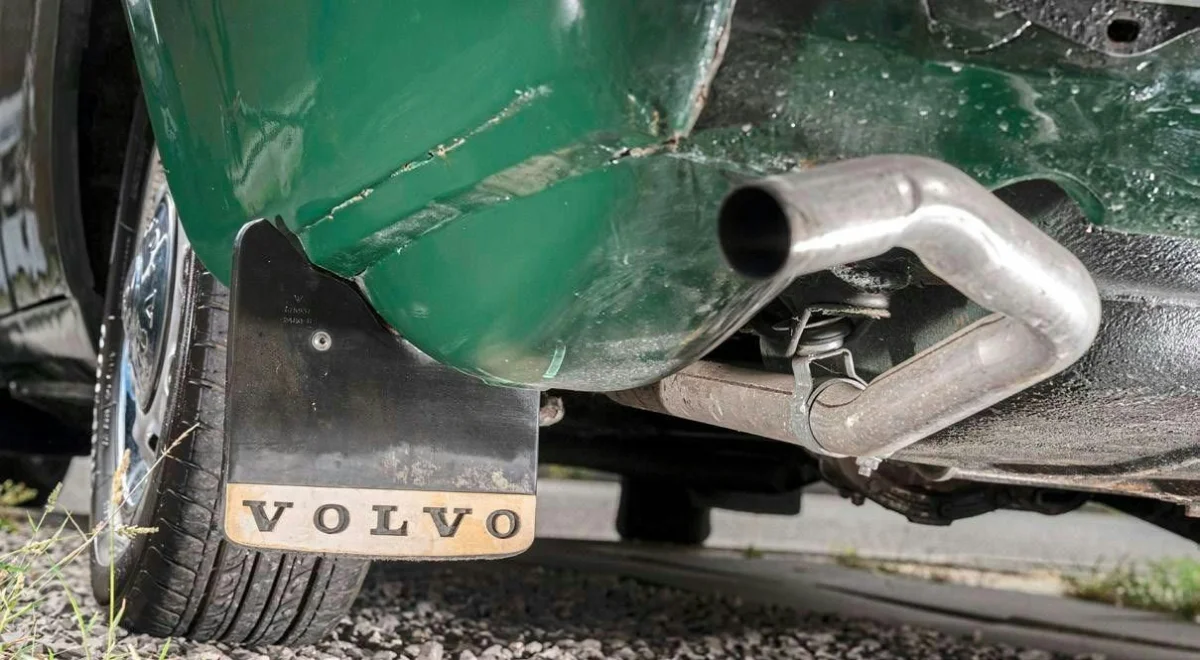
Extensive new metal was needed across the body.
Horton hasn’t put the Volvo into retirement. He uses it for grocery shopping and takes it out whenever he can. “It’s a car, it’s designed to be used,” he says. That approach suits a model built for practical family duties, and it gives the 144 a daily role rather than making it a static reminder of the past.
What the 144 is like on the road
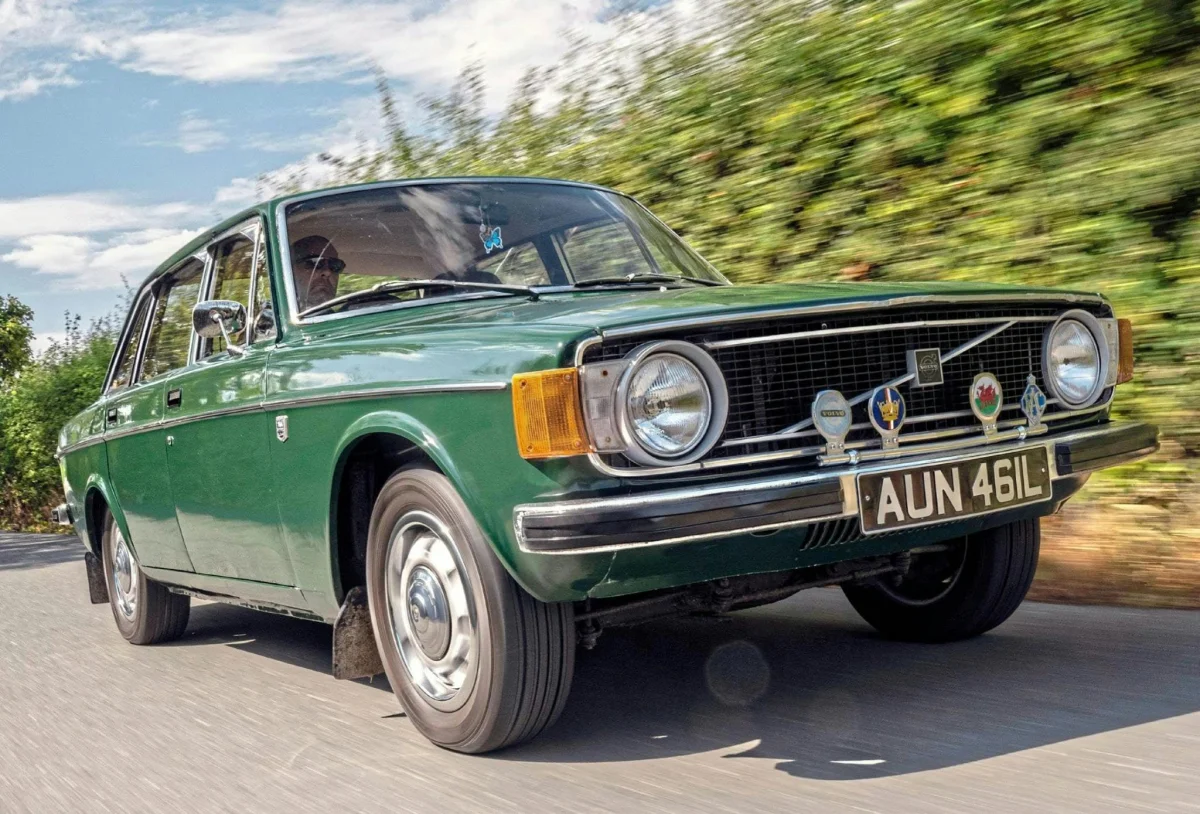
The drive offers a useful counterpoint to the visible repairs. The seating position is upright, the cabin is comfortable, and the flat bonnet gives a clear view ahead. The 2.0-litre engine feels willing, with enough torque to make the widely spaced gearbox ratios easy to live with. It sounds appealing under acceleration, while the ride settles into a comfortable rhythm at cruising speed.
The steering’s weight is noticeable, particularly with the smaller wheel and wider tyres, but it doesn’t overwhelm the car’s easygoing character. The 144 feels roomy and straightforward, with no attempt to disguise its age. It’s easy to see why the model made sense as family transport: it offers space and comfort, and its controls and mechanical layout are uncomplicated.
That experience also makes the restoration’s balance clear. The car has been repaired thoroughly enough to return to the road, but its familiar damage and keepsakes remain part of the cabin and body. For Horton, preserving those details is part of the job. The result is a usable Volvo whose condition reflects both the scale of the work and the family history that gave him a reason to finish it.
Volvo 144 technical details
Engine: 1986cc four-cylinder, overhead-valve
Power: 90bhp at 5000rpm
Torque: 109lb ft at 3000rpm
Gearbox: Four-speed manual
0-60mph: 13.1 seconds
Top speed: 96mph
Fuel economy: 23-30mpg
Parts contacts: Brookhouse Volvo Parts and Dai Brace, Classic Swede.
Seven months from first inspection to the road
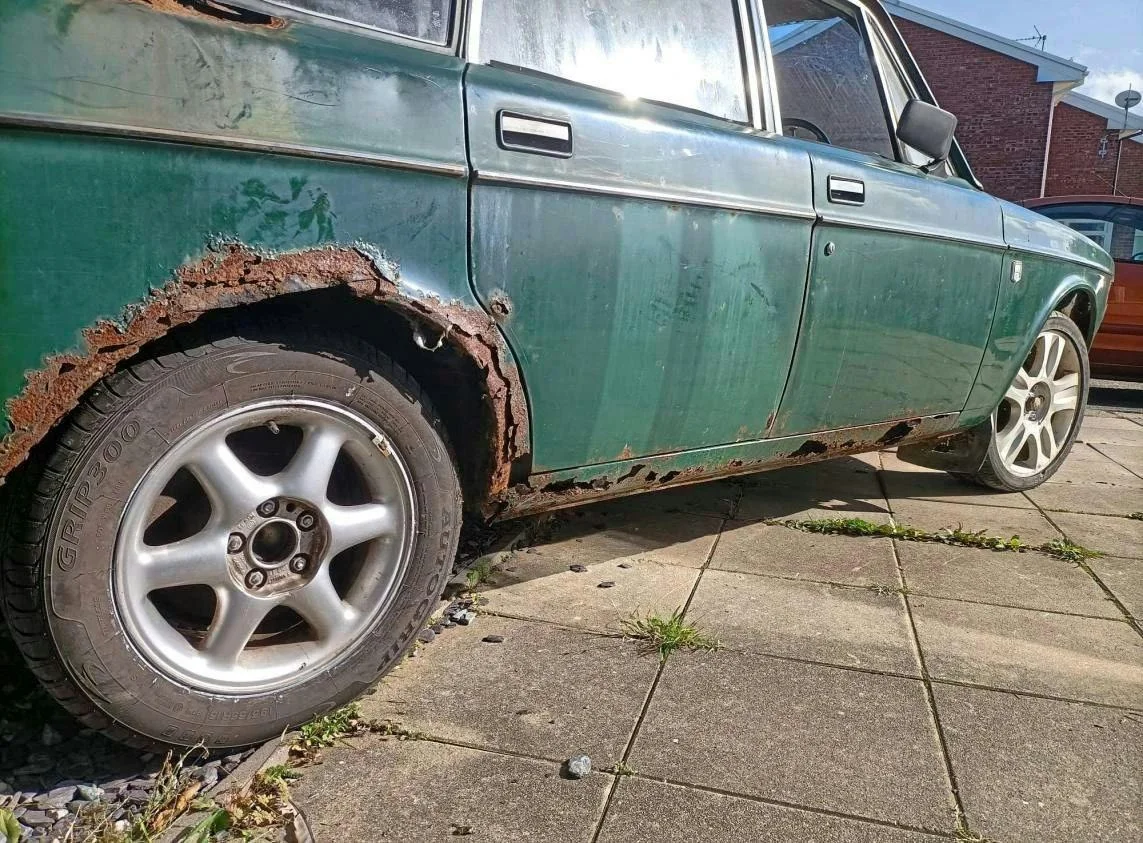
October 2022: Taking stock
The first inspection showed how little sound metal remained in the lower body. The immediate priority was assessing the damage and getting the Volvo running so it could be moved to the work area.
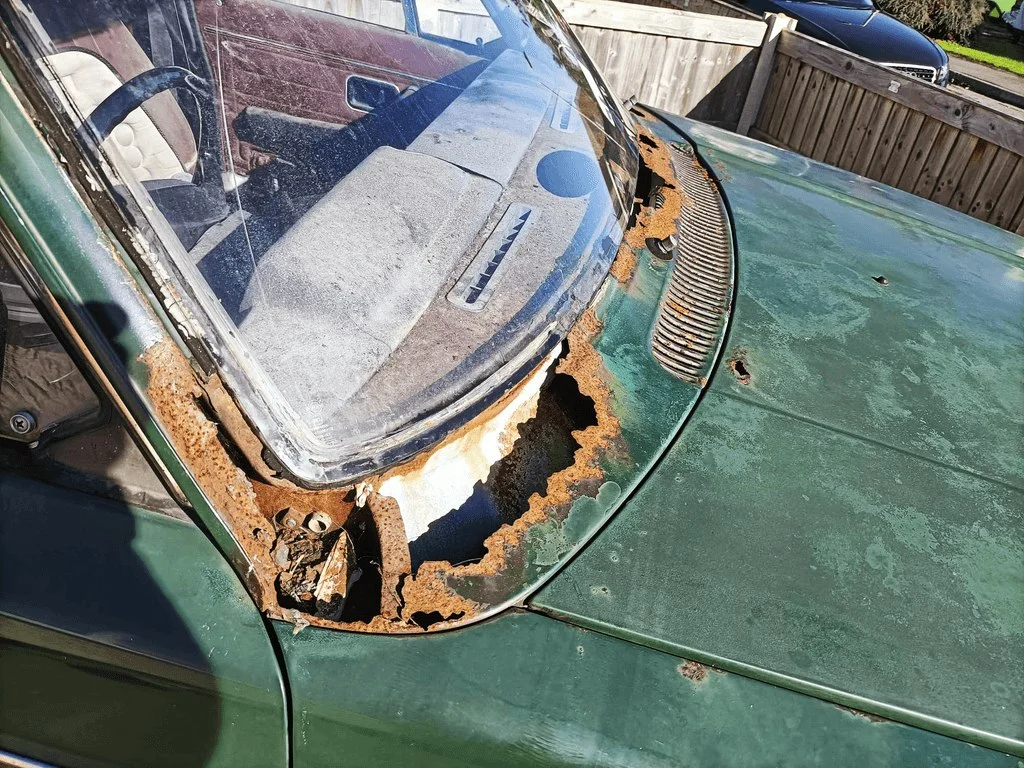
October 2022: Finding a scuttle
The windscreen scuttle was badly corroded, as were the sills. Horton located a scrap 144 online and sourced a repair section from it.
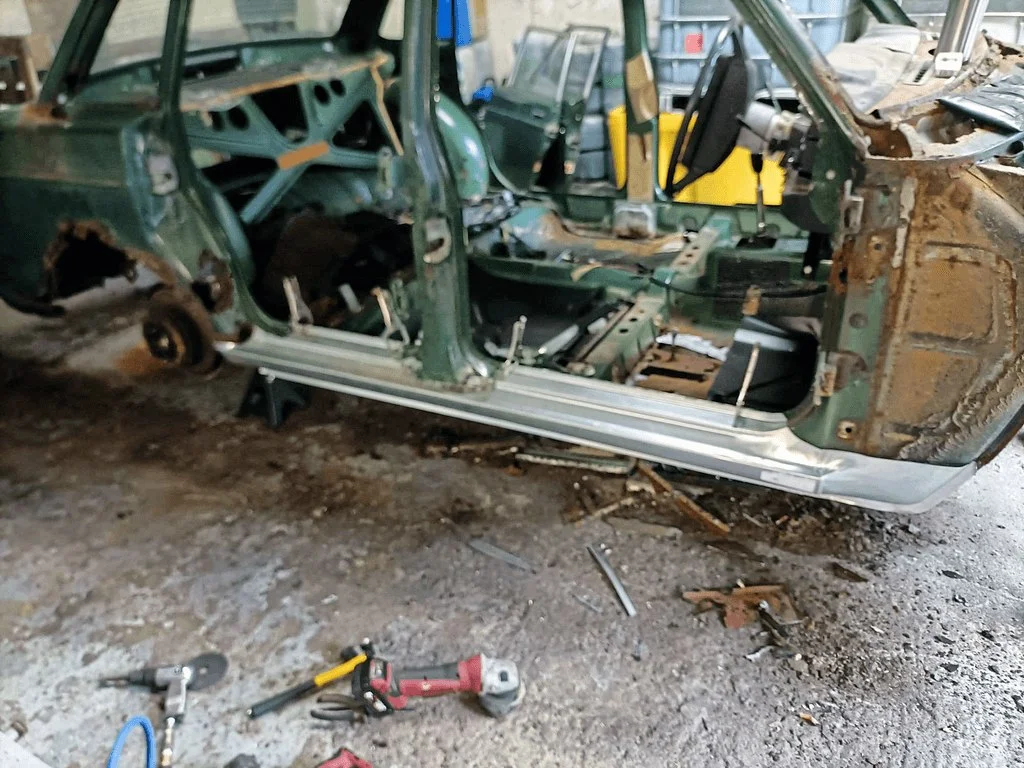
November 2022: Repair panels fitted
New sill sections went onto both sides, with pieces from the donor car filling in where the original bodywork had disappeared.
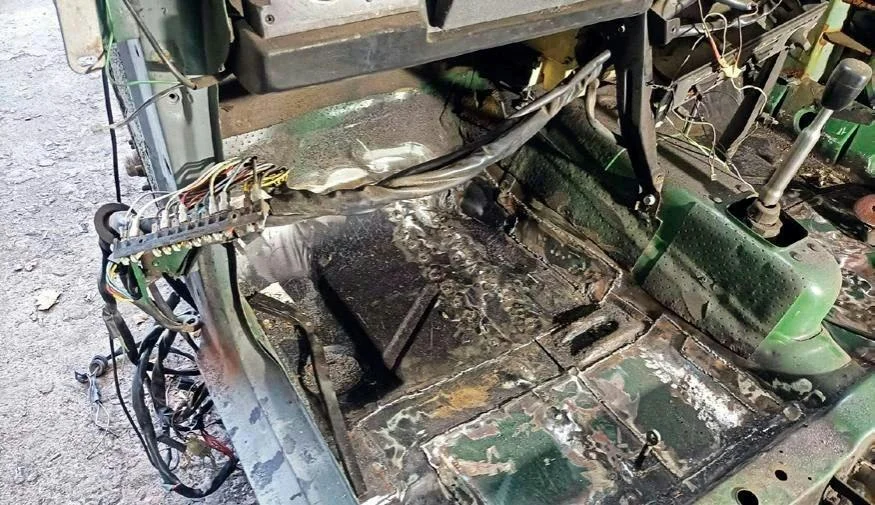
January 2023: Reusing the bonnet
New toe-boards were fitted. Sections of the old bonnet were used to make up part of the rear floor.
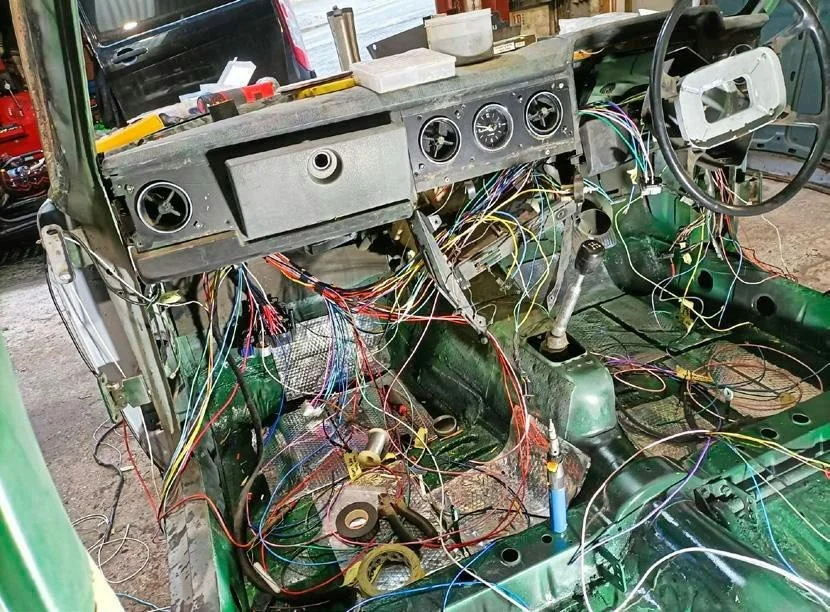
February 2023: Rewiring
A labelled hot-rod wiring harness provided a lower-cost route to restoring the electrics, with a small change needed for the headlight controls.
Restorer of the Year 2027 recognises people who bring neglected classics back into use. Nominations are due to open in early 2027, with the selected finalists to be presented at the Practical Classics Classic Car and Restoration Show at the NEC next March.
Subscribe to a PC Print+ Subscription for instant digital access and free UK delivery.