Ford Fiesta RS Restoration: David Cole’s Decade-Long Search for Original Parts
David Cole and his son James restored a Ford Fiesta RS with rare original parts, factory-correct details and a careful mechanical refresh.
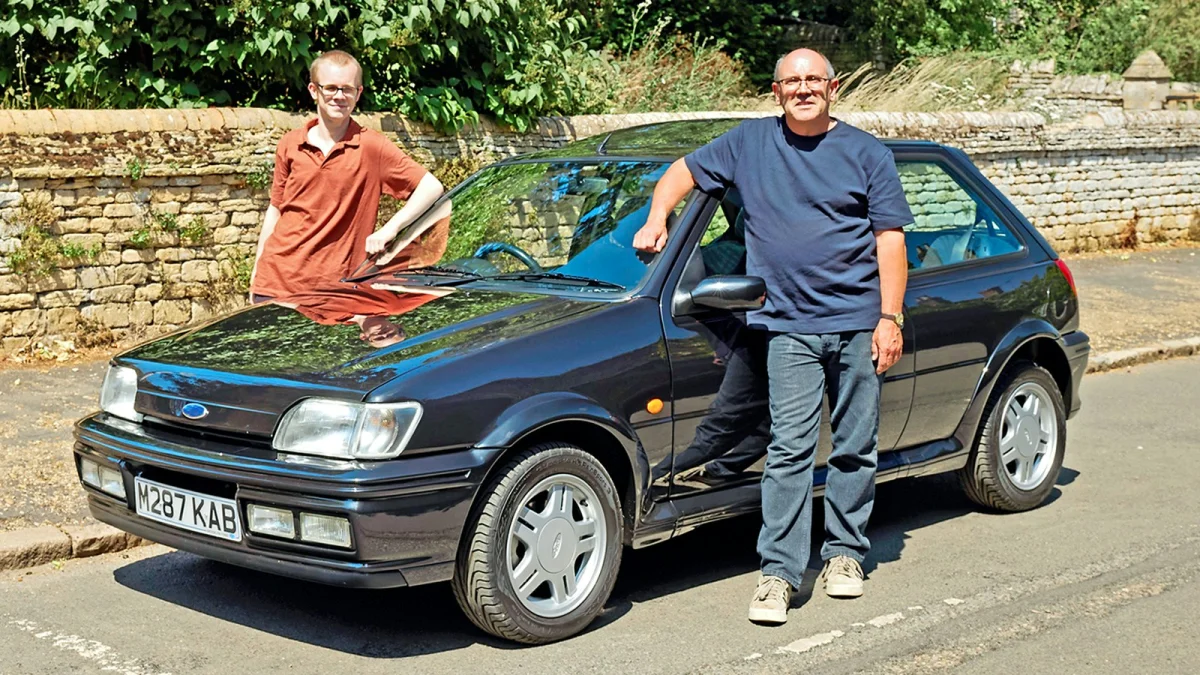
For David Cole, restoring his Ford Fiesta RS meant keeping its original character intact. After buying the car in 2015 for £3,300, he and his son James spent three years bringing it back towards the condition it had when new. The work reached well beyond paint: finding the correct Ford parts, many of them in Italy, became a major part of the project.

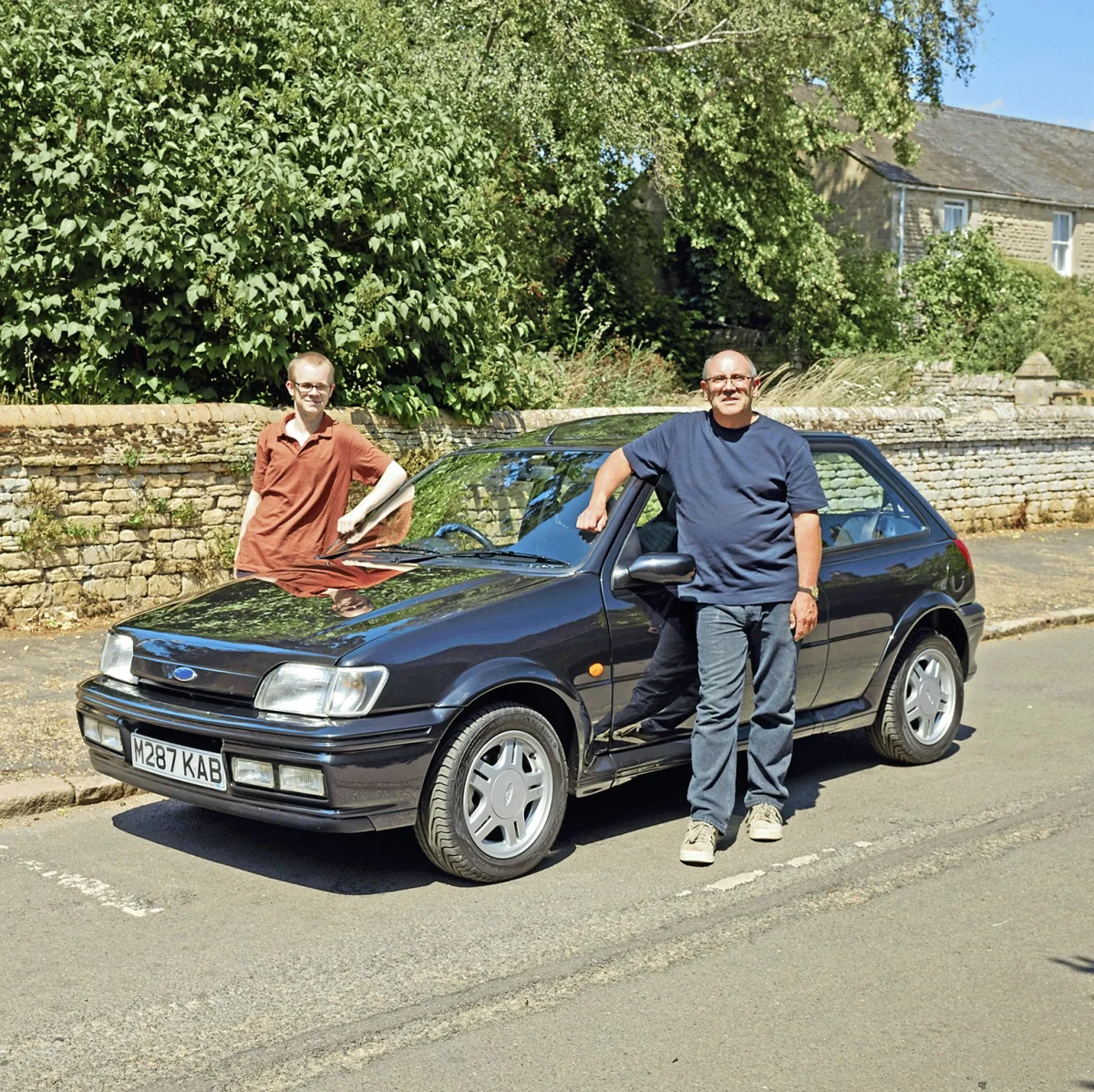
Cole had been looking at a Jaguar XJ, but his wife talked him out of it, joking that it would be too large to push. The Fiesta became the alternative. It had already been altered, including a set of incorrect front wings in place of the early type with square repeaters, and Cole knew it needed attention.
He’d been collecting components for years before starting the restoration. That advance preparation mattered: parts for a Nineties Ford could be difficult to track down, especially when the goal was to use genuine pieces from the right period. Cole gathered New Old Stock lights, a centre console, bumpers and inserts, plus original wheels and hub caps. He wanted the finished car to feel as close as possible to its factory form.
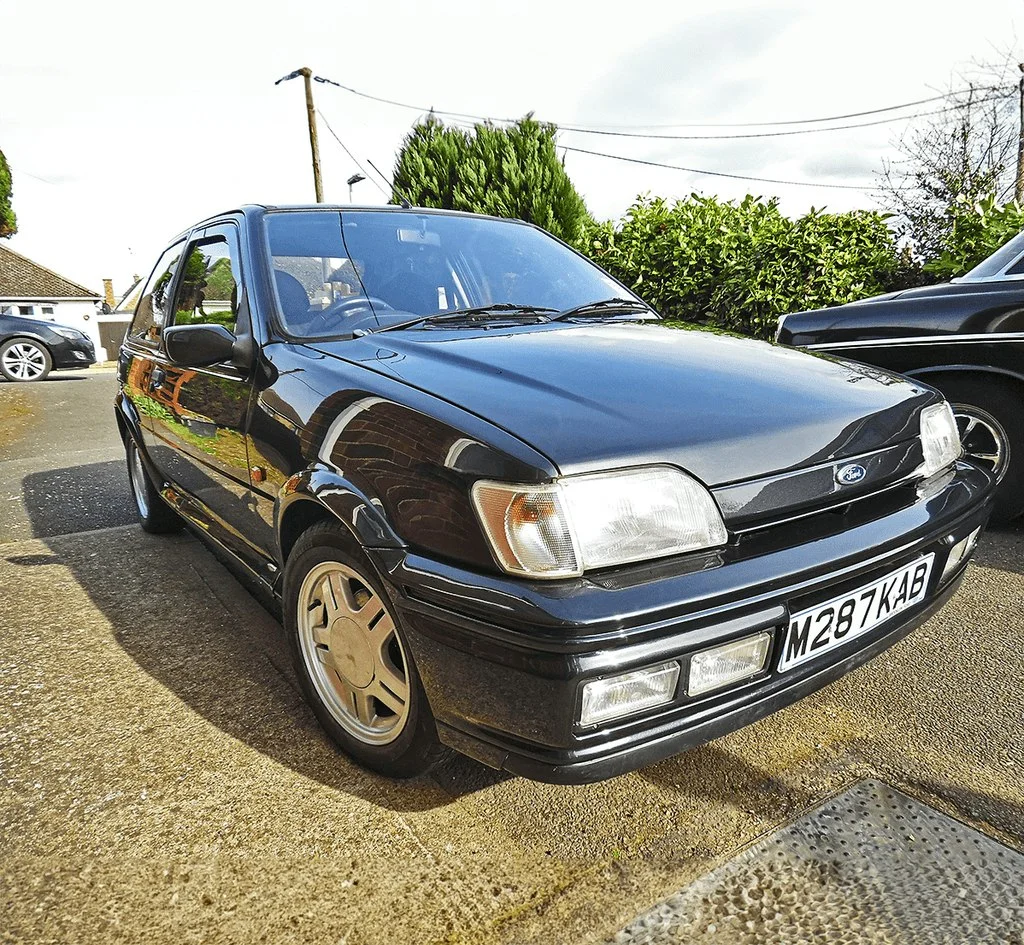
A parts hunt across Europe
The search for body and trim parts took Cole to Italy. He found genuine Ford front wings from the correct era there, along with a replacement slam panel for the bent original. Screen and door rubbers, door guides and clean roof rails also came from Italy. The furflex around the opening sunroof had shrunk, so Cole sourced two sets of replacement material.
Those small details shaped the restoration. Correct seals and guides can be easy to overlook during a rebuild, but they affect how the doors, windows and sunroof fit and feel. In Cole’s case, using original components supported the period-correct result he wanted, while also requiring patience and careful sourcing.
He left most of the interior in place during the planning stage because it was in good condition. The rear seats needed attention after the sponge scrim had dried out, but the rest mainly called for a thorough clean. Later, the seats and other interior components came out so the shell could be repainted.
Stripdown, repairs and a return to standard
With James helping, Cole dismantled the car far enough to repaint the shell and its hidden surfaces. He removed the fuel tank, treated the underside with underseal, and had the suspension components powdercoated and rebushed. The Fiesta initially retained its lowered springs and dampers, which lowered it by about an inch. Once the engine and interior were back in, though, the car sat too low for his liking.
That meant another search for original parts. Cole eventually found genuine Ford dampers in Italy and fitted them in place of the lowered setup. The choice reflects the restoration’s wider approach: the aim was not to add a more aggressive stance, but to recover the way the car had been configured originally.
Rust repairs were limited to the rear ends of the sills, where they rise into the wheelarches, and the underside of one rear wheelarch. Cole traced the latter problem to inset bolts used to secure the wheelarch backs. As those fasteners corroded, they pulled out and left the surrounding area vulnerable.
The engine and gearbox came out for the work, although the engine had been running well and had covered only 70,000 miles. Cole used the opportunity to service it, replace the belts and clutch, and fit new gearbox and CV joint seals. Removing the engine also made it possible to repaint the bay properly.
Keeping the engine and colour
Cole considered changing the engine’s ECU to add more performance, but kept the existing EEC IV unit. He also weighed a colour change, including a Ford Electric Blue shade, before settling on Ash Black for the professional respray. His decision to retain the original mechanical setup and colour direction came down to the experience he wanted from the finished car: one that felt freshly delivered rather than substantially modified.
Modern soundproofing went into the car before the interior was refitted. It’s a practical addition alongside the period-correct parts, intended to improve the cabin experience without changing the Fiesta’s outward appearance. The rear seat foam was restuffed, and the interior was cleaned before it went back in.
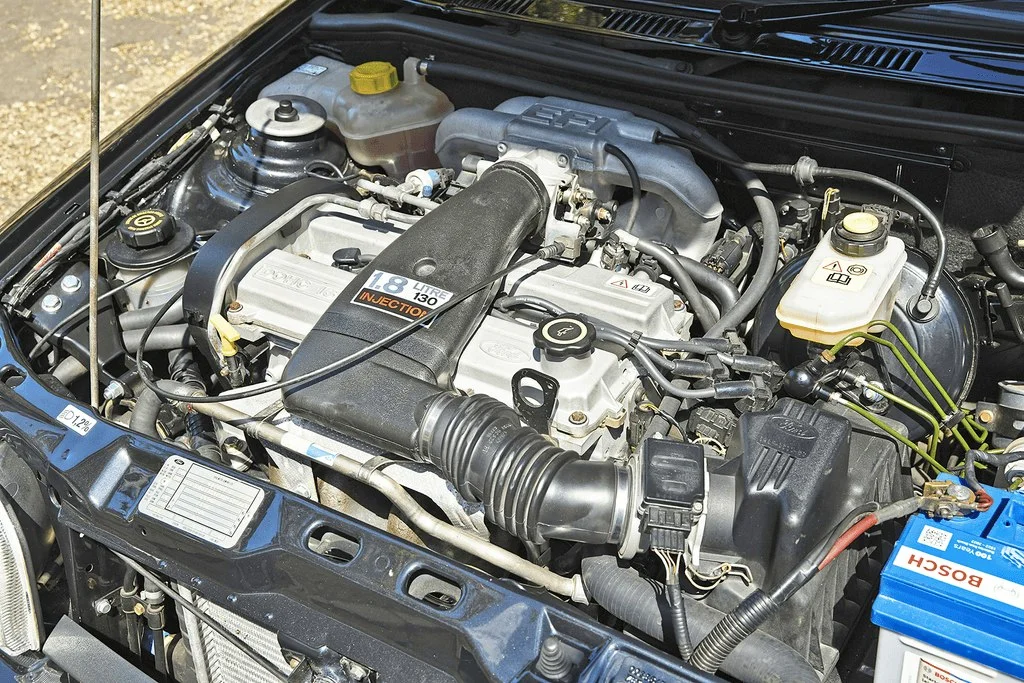
Engine
The low-mileage engine was running well, but Cole removed it to replace seals and belts and to make the engine bay easier to repaint.
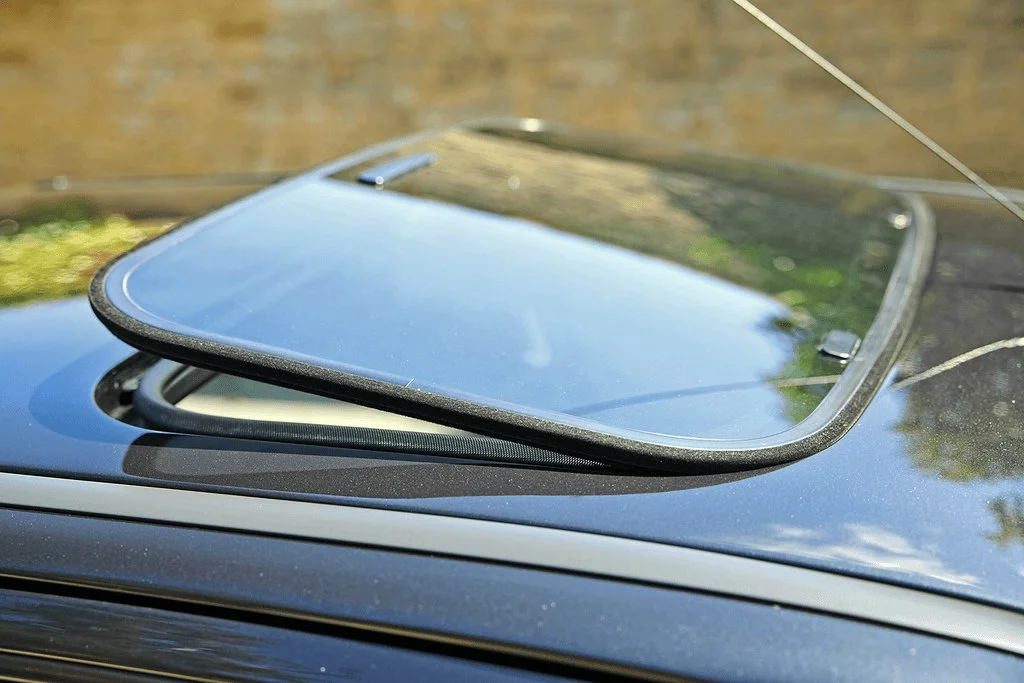
Seals and rubbers
Cole searched across Europe for the correct original seals and rubbers, finding many of them in Italy. He even bought two sets of furflex for the original sunroof.
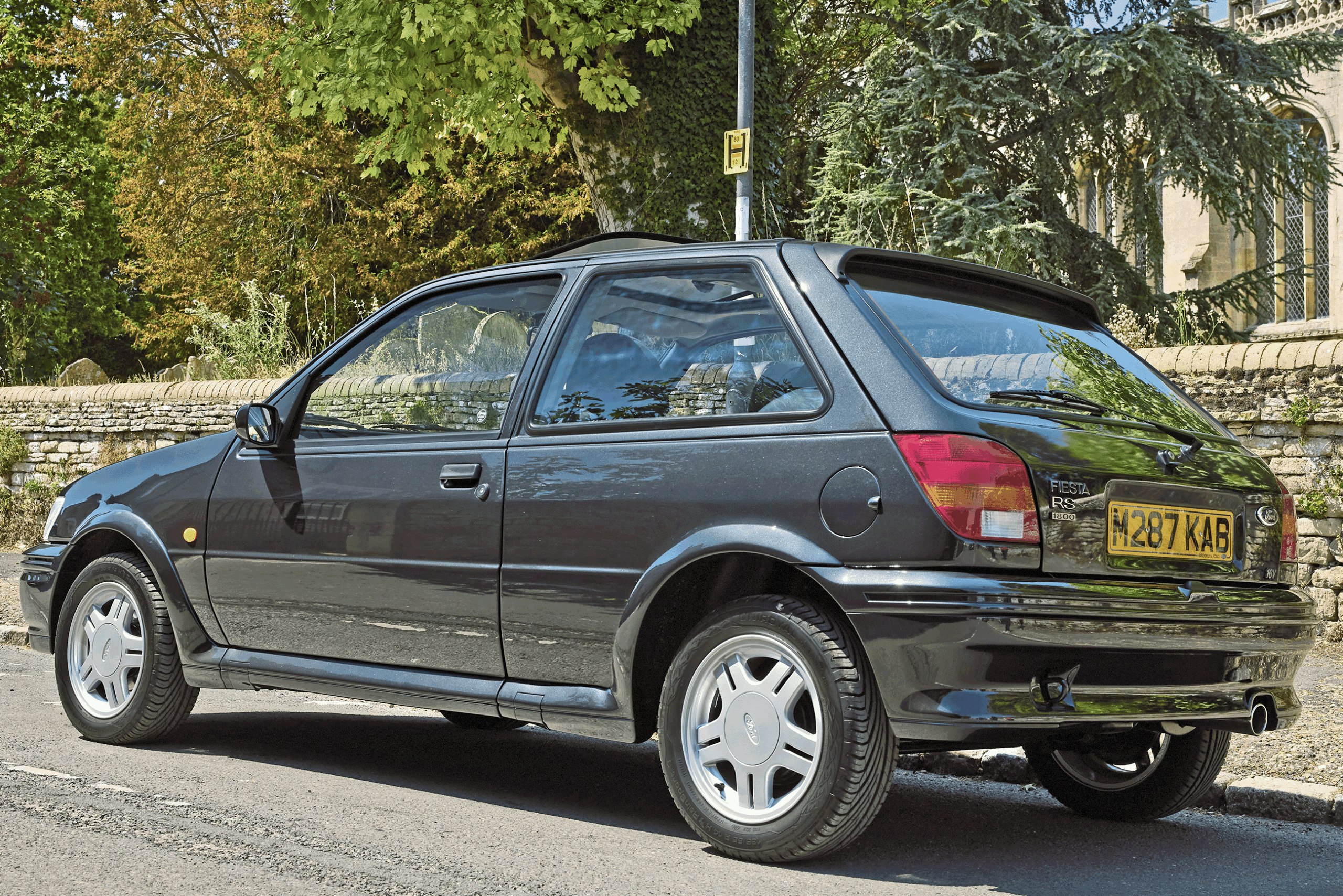
Wheels and trim
Cole first resprayed a non-original wheel set, then found the correct originals in Italy. RS Turbo wheels differ slightly, so sourcing the right set helped maintain the car’s intended specification. Original New Old Stock lights and rubbers completed the trim work.
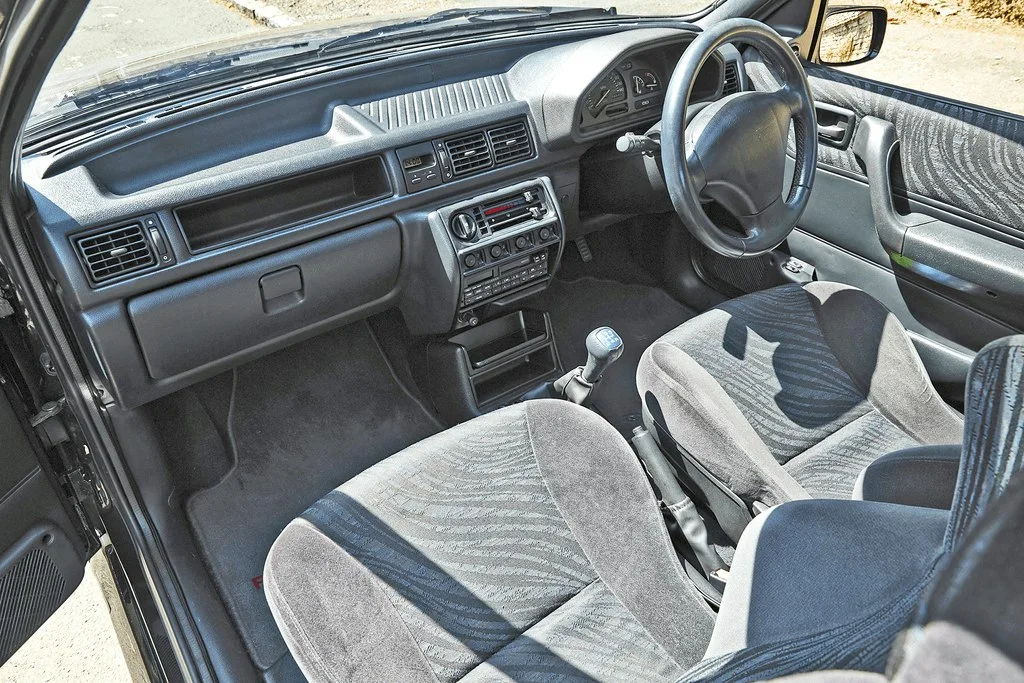
Interior
The interior needed cleaning, and the rear seat foam needed restuffing. Cole removed it for the shell respray, then added modern soundproofing before refitting the cabin.

Keeping track of the rebuild
For Cole, one of the toughest parts of the restoration was remembering where everything had gone. He used an old post office letter rack to organize bagged components, labelling each one and arranging them in the order they came off the car. Even with that system, he sometimes forgot he’d already bought a replacement and ordered another.
That experience captures the less visible work behind a detailed restoration: sourcing parts is only part of the job. A long stripdown also demands a reliable way to label, store and retrieve components, particularly when the car is being returned to a specific original specification. Cole’s planning helped him put the Fiesta back together with the parts and details he’d spent years gathering.
David and James have entered the 2027 Restorer of the Year competition. Their Fiesta shows what a careful, long-term restoration can achieve when original parts, mechanical maintenance and personal preference all point in the same direction.