Cyan Lamps and Control Changes Could Clear a Path for Driverless Cars
A proposed lighting update would allow cyan self-driving markers and revise controls for vehicles such as Tesla’s Cybercab.
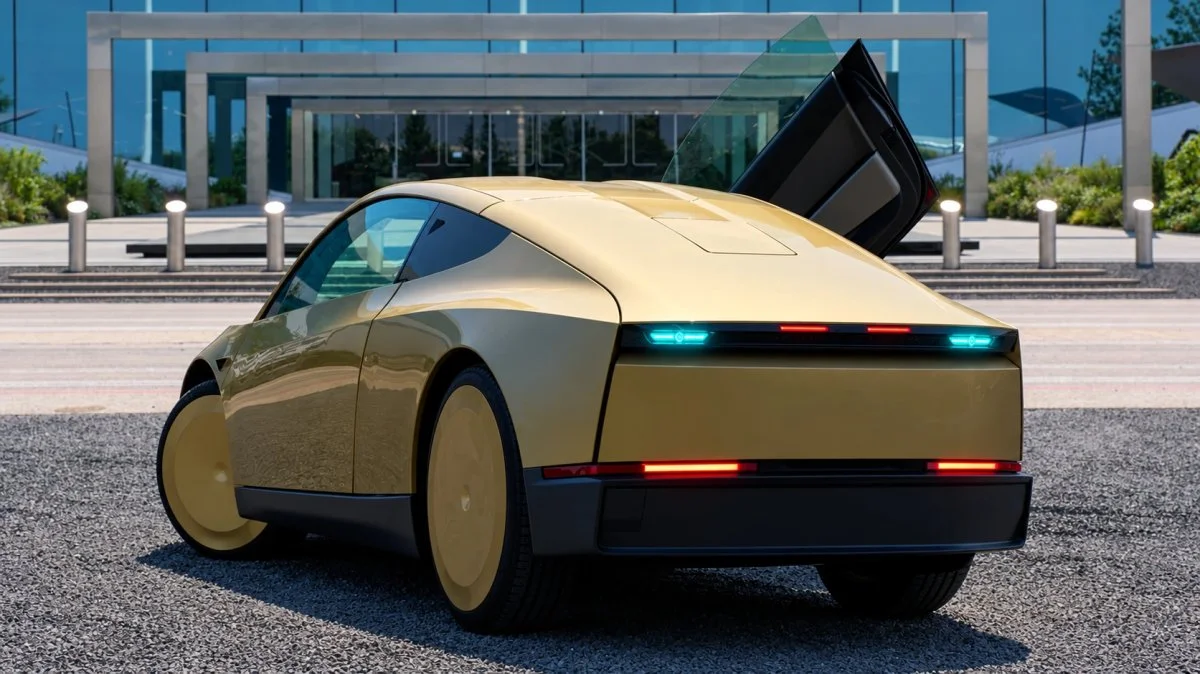
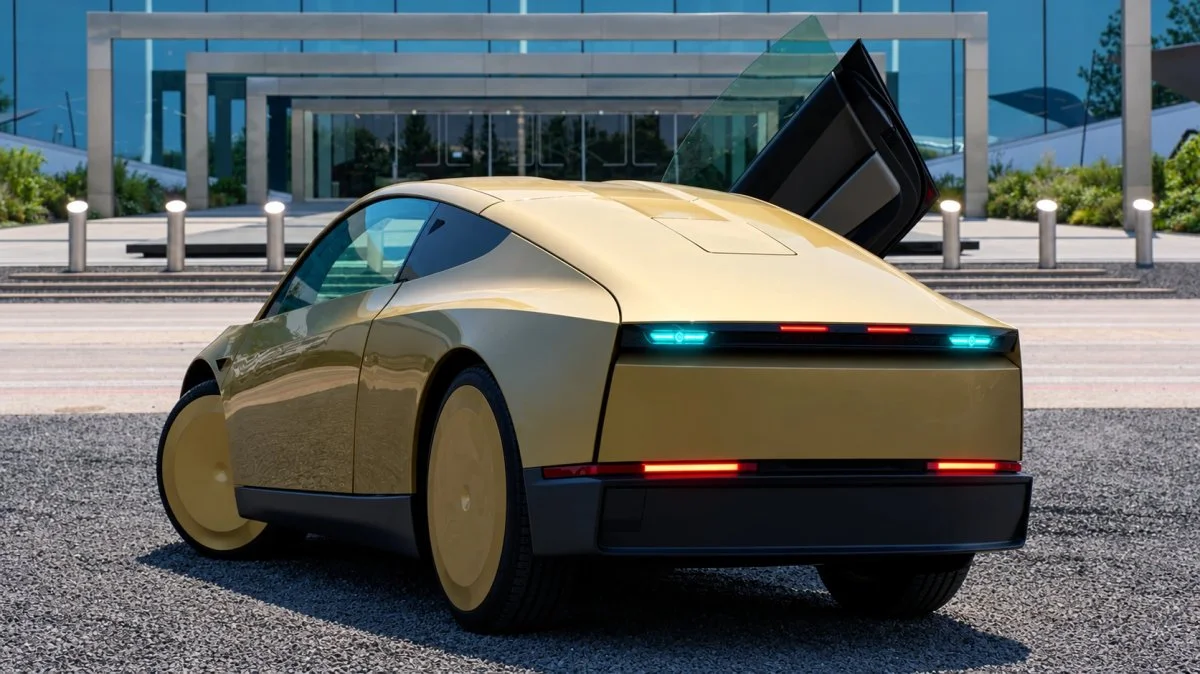
The most consequential part of a proposed update to U.S. vehicle lighting rules may be a small, optional set of cyan lamps. They would tell people outside a car that its automated driving system is operating without an occupant expected to monitor the road. The same proposal would adjust requirements for controls and lighting on vehicles designed without conventional manual driving equipment, including Tesla’s Cybercab.

The National Highway Traffic Safety Administration has proposed revisions to Federal Motor Vehicle Safety Standard 108, which covers vehicle lighting. The filing is scheduled for publication in the Federal Register on October 26, with a 30-day period for comments. If adopted, the changes would give automakers a clearer set of lighting requirements for driverless designs while leaving the cyan markers optional.
A visible cue for driverless operation
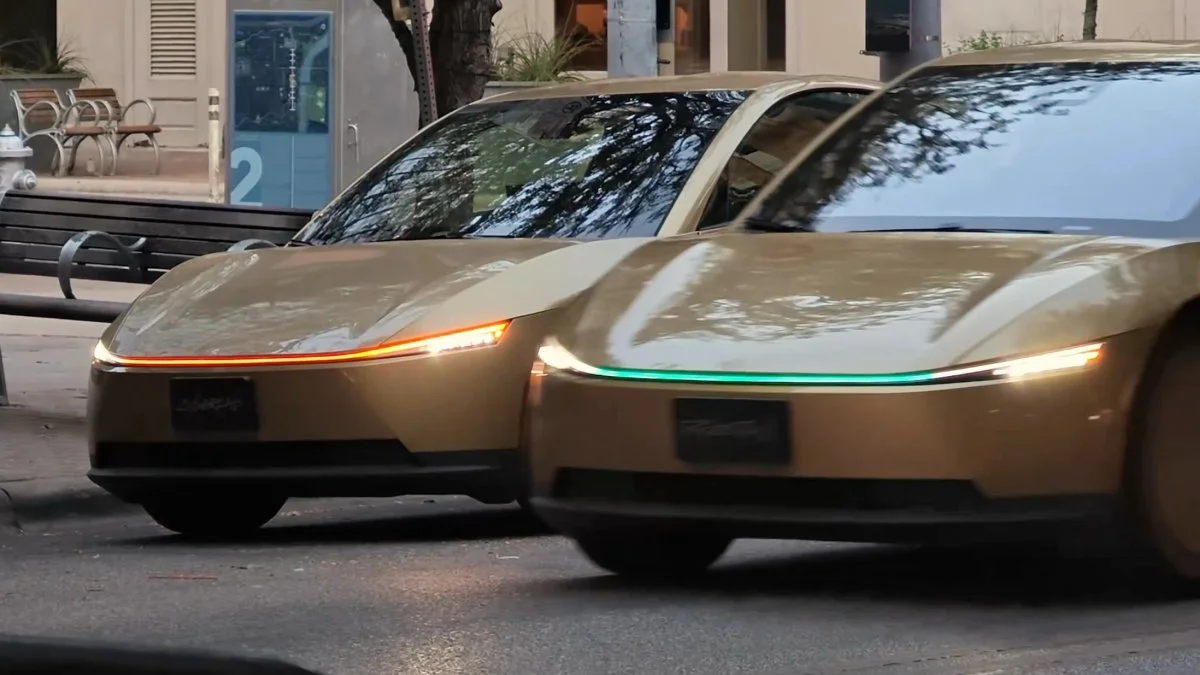
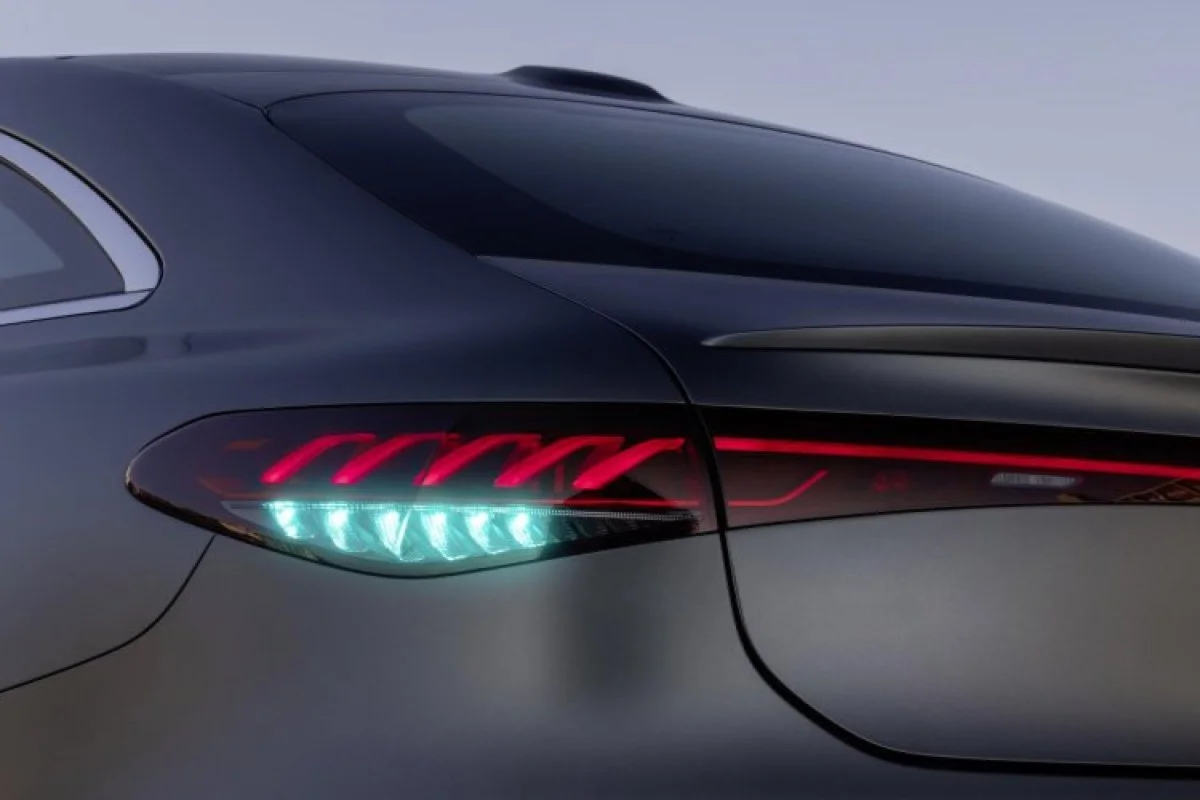
The proposed lamps could be fitted to passenger cars, multipurpose vehicles, trucks and buses. A vehicle could have one or two lamps at the front, on each side and at the rear. They would need to sit at least 15 inches above the ground. A single lamp at the front or rear would go on the vehicle’s centerline; a pair would need to share a height and be evenly spaced. Other combinations with more lamps aren’t permitted under the proposed layout.
The lamps would remain steady rather than flash, and would switch on and off together. They could illuminate automatically while the vehicle operates without a person expected to supervise the road, then go dark when a person is expected to take that role. That distinction matters for Tesla: the marker concept applies to genuinely driverless operation, not to FSD (Supervised), where the driver is still expected to monitor the system.
The filing was spotted by @scotsrule08 on X. The key question for buyers and other road users is whether a shared visual cue would make automated operation easier to recognize. Mercedes tested similar turquoise lights for Drive Pilot from 2023 to 2025, with permission in California and Nevada. That example shows the appeal of a distinct signal, but it also points to the unsettled practical question: how people around these vehicles will interpret it.
A marker could make a car’s operating mode more legible at a glance. Yet a new signal only helps if people understand what it means and respond consistently. Earlier discussion of a possible Tesla self-driving light raised concerns that people might treat a marked vehicle differently, or that the lamps could make such cars a target. The proposal sets out a permitted design; it doesn’t establish how the public will react or require any automaker to use it.
Changes reach beyond the lamps
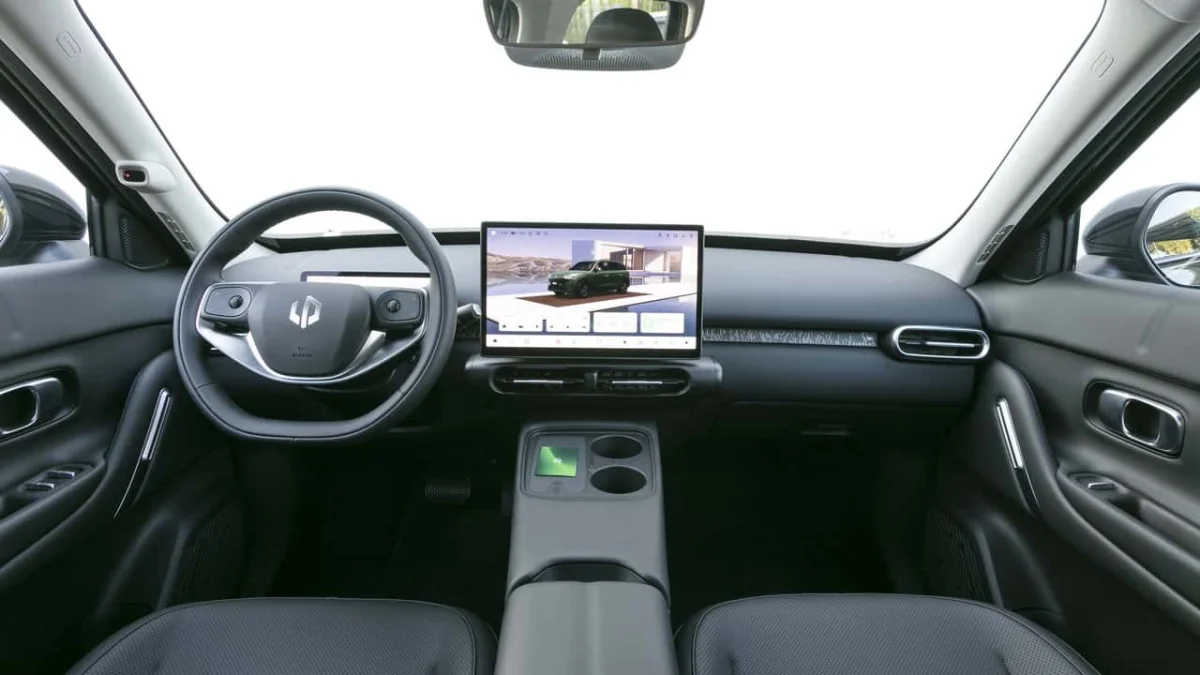
The proposal also reflects a basic design difference between conventional cars and vehicles that lack a steering wheel or pedals. Requirements for physical turn-signal, hazard and high-beam controls would apply only to vehicles with manual driving controls. That would allow an automated system in a vehicle such as Cybercab to operate those functions without traditional switches. Some dashboard indicators for turn signals and high beams would no longer be required in those designs.

Other proposed revisions would remove restrictions on vertical headlight arrangements and let manufacturers test integrated headlights at the voltage they specify, instead of limiting testing to 12.8 volts. These details may matter less to drivers than the cyan marker, but together they address how existing lighting rules fit vehicles whose hardware and operating roles differ from those of conventional cars.
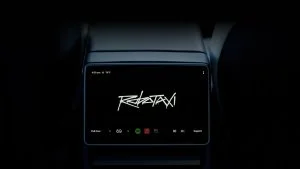
The changes follow an earlier removal of the manual brake pedal requirement for vehicles driven exclusively by an automated system. Taken together, the revisions point toward vehicle standards that account for designs built around automated driving. They don’t settle every question about how such vehicles will be certified or used, but they would give manufacturers more explicit provisions for lighting and controls.
Cybercab’s rollout continues alongside the rule process
The proposed lighting changes arrive as Tesla’s Cybercab program advances. The source reports more than 300 Cybercabs operating in Austin, with rides in Dallas expected to begin the following month. Tesla was also aiming to sell its first Cybercabs to customers before the end of the year. Those plans make the timing of the rule relevant, although the proposal itself does not confirm that the vehicle will use cyan lamps.
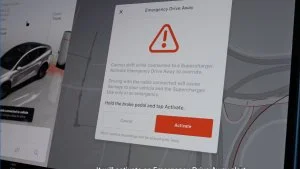
Separately, an investigation into how Cybercab was certified for commercial deployment remained open, and Tesla had received more time to respond. That process and the lighting proposal are distinct: changing lighting requirements could clarify what a vehicle’s lamps may do, but it doesn’t resolve questions raised by the certification review.
After the comment period closes in late November, the proposed revisions would still need to be finalized. Until then, the cyan markers remain a possible feature rather than a required one. For drivers, the practical takeaway is that a common visual signal may eventually help identify when a vehicle is operating without human road supervision—but whether Cybercab or any rival adopts it is still an open question.