Tesla Roadster Thrust Prototype Goes on Display at Petersen Museum
The 2028 Roadster Thrust prototype is on view in Los Angeles through October 27, offering a first public look at Tesla’s subsecond acceleration claim.
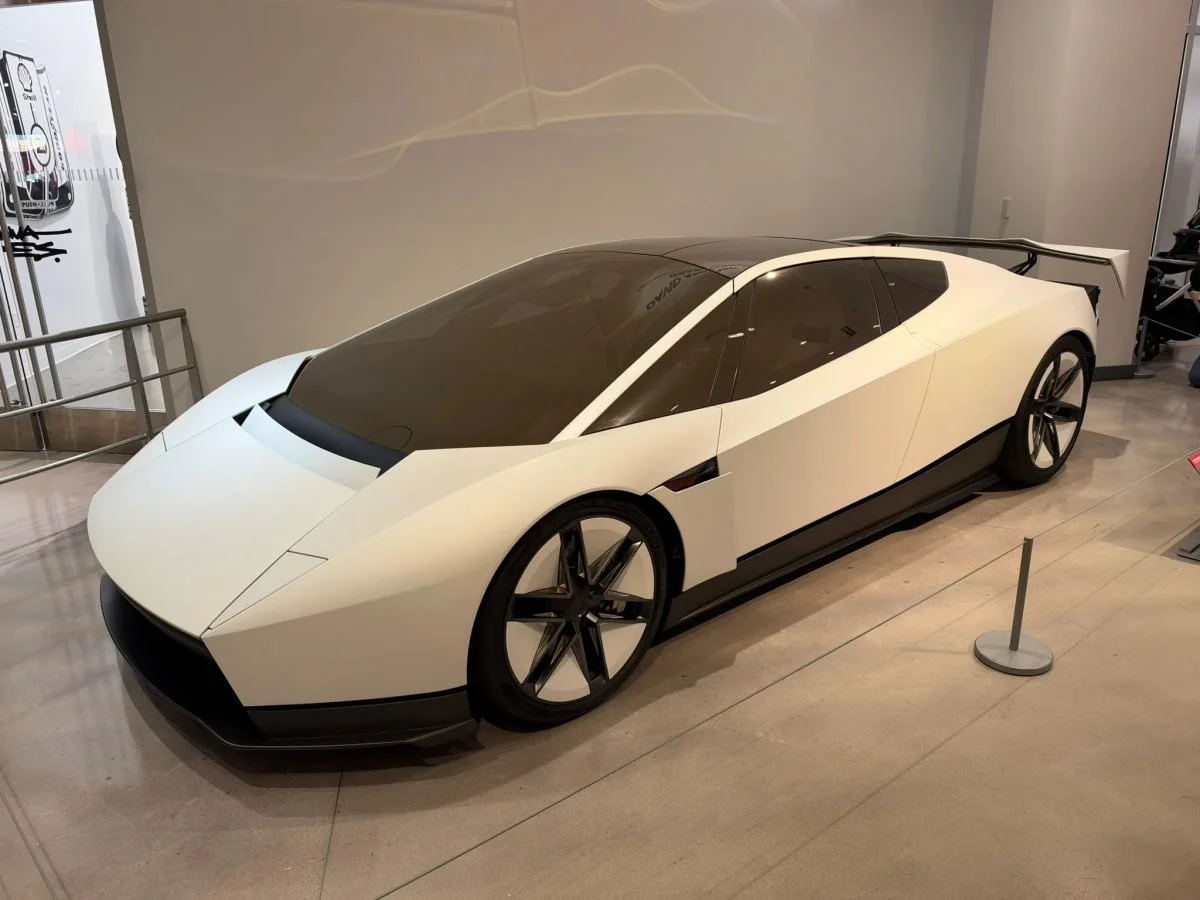
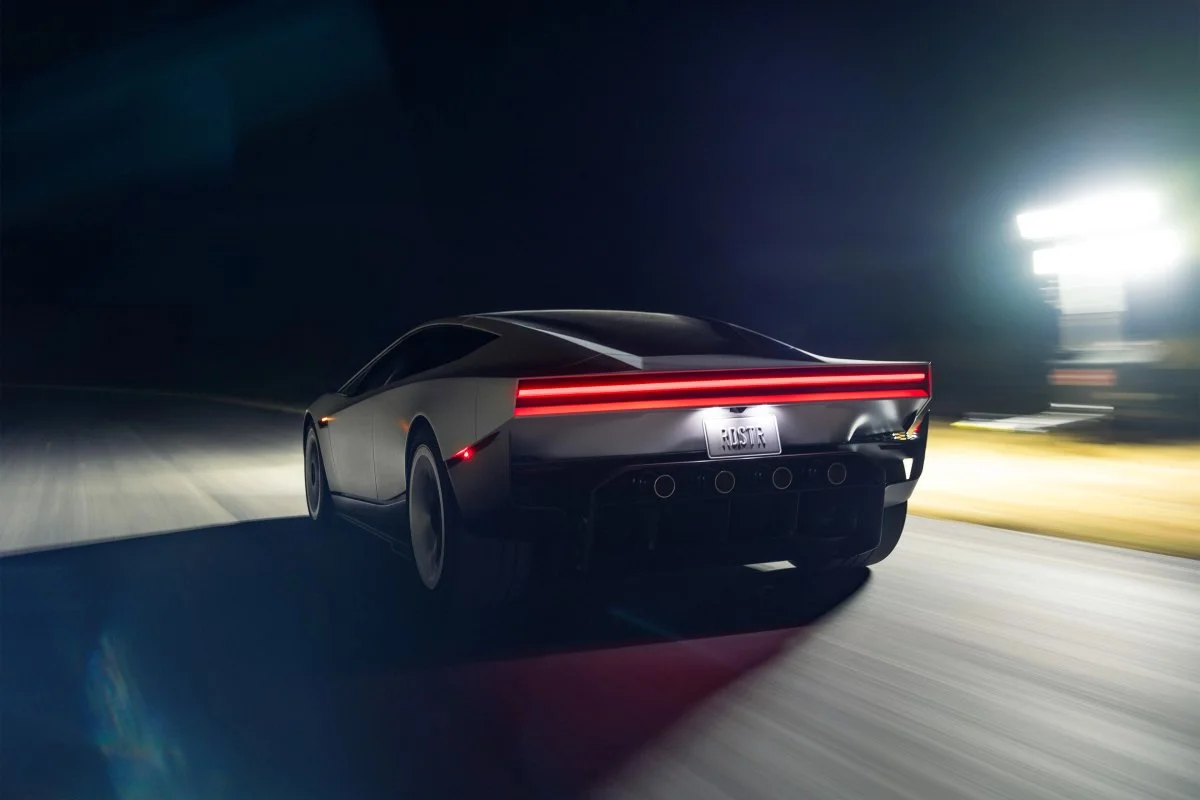
The Petersen Automotive Museum display puts Tesla’s next Roadster in front of the public, but the car on view is a prototype, and its most dramatic claims remain unverified by ordinary ownership experience. The 2028 Tesla Roadster Thrust Prototype is in the museum’s Main Lobby from October 24 through 27. Visitors can inspect it from behind a rope, though they can’t sit inside.

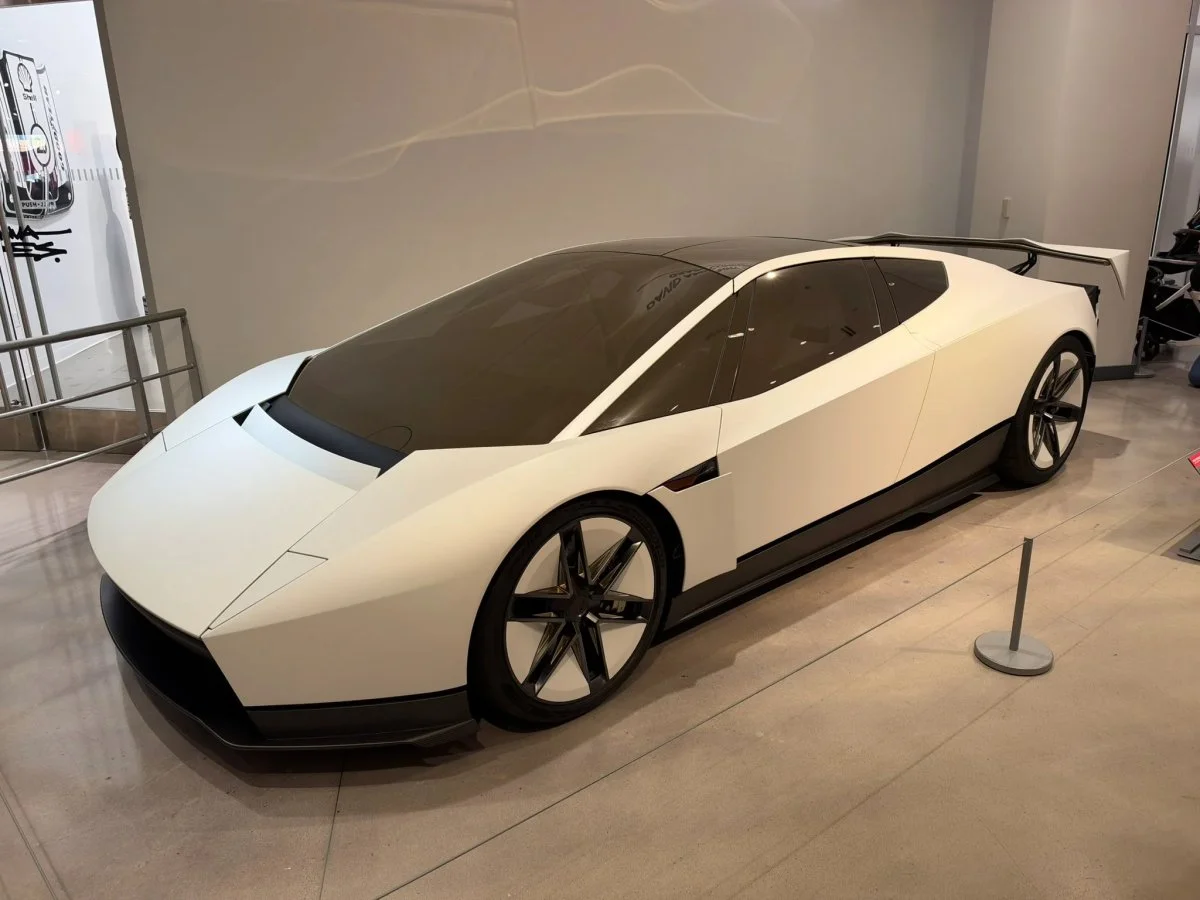
The short Los Angeles appearance is the first public chance to see the new Roadster in person since Tesla showed it at SpaceX’s test site in McGregor, Texas, earlier this month. Tesla shared the museum display on X. The four-day window gives visitors little time, and the setting makes this more of a close visual inspection than a hands-on preview.
Thrust is the version on display
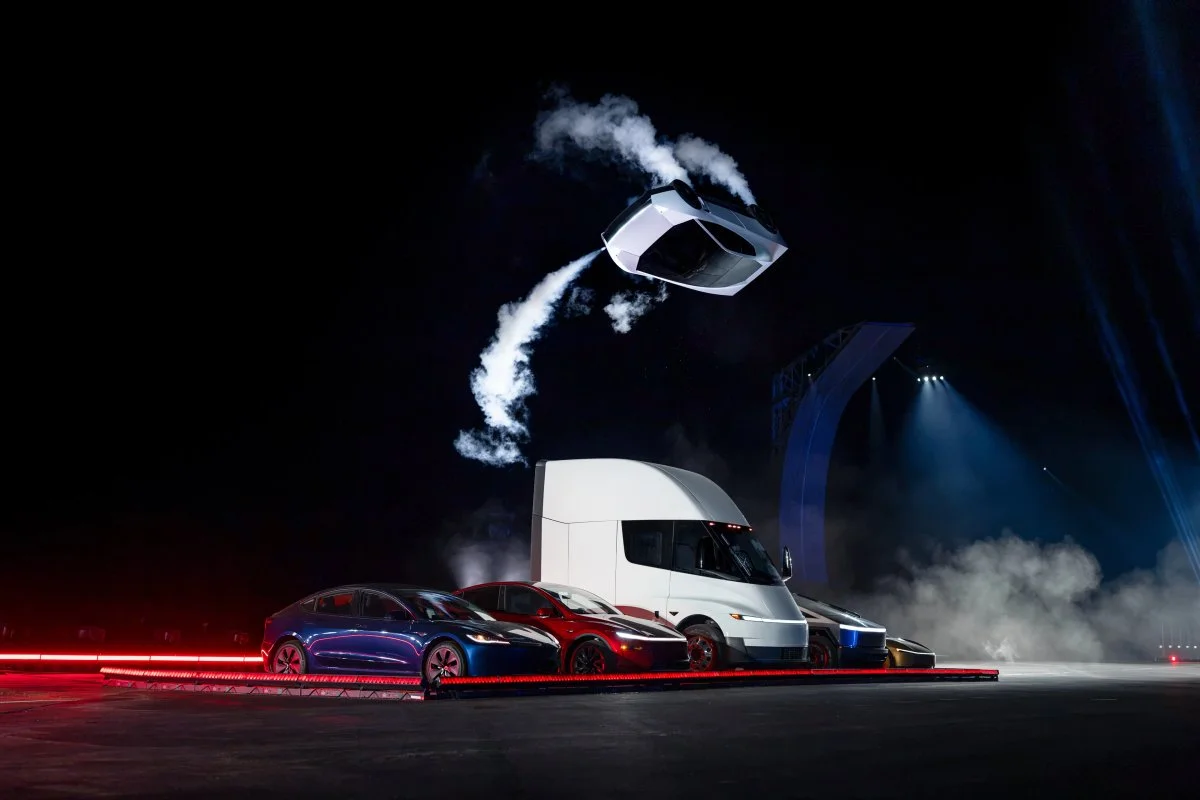
The museum identifies the car as the Thrust prototype. That distinction matters: Tesla’s reveal also featured the Rocket trim, the single-seat version shown performing aerial maneuvers. The museum car represents a different step in the planned range, with cold-gas thrusters aimed at reducing launch time rather than enabling the Rocket’s flight demonstrations.
Tesla has outlined four Roadster versions. The standard car is rated at 1 megawatt, or about 1,340 horsepower. Performance adds suction fans and adaptive suspension, along with more torque; Tesla’s stated 0–60 mph target for that trim is under 1.6 seconds. Thrust adds a 200-liter cold-gas system with four nozzles at the rear, with a claimed 0–60 mph time below 0.9 seconds.
Rocket sits at the top of the proposed range. It is invite-only, seats one, and adds six nozzles and a larger tank to support the aerial maneuvers shown at the reveal. These are manufacturer claims about planned versions, not a like-for-like set of independently tested results. Tesla’s [trim and specification overview](https://www.notateslaapp.com/news/4840/new-tesla-roadster-specs-battery-range-speed-trims-and-more) covers the announced range, including pricing and performance details.
The museum’s description says the Thrust car reached 0–60 mph in 0.81 seconds at its unveiling. Tesla’s presentation tied that figure to the cold-gas thruster system. For drivers, the number is striking, but it says little by itself about repeatability, tire wear, braking, comfort, or how the system would affect day-to-day use. Those questions will matter if the Roadster becomes a production car with acceleration claims this extreme.

The Thrust trim also has a reservation connection: the original Founders Series reservations were converted to this version, according to earlier reporting on the car. That makes the exhibit relevant to reservation holders as well as visitors curious about Tesla’s engineering approach. Still, the display offers no new information about production readiness or the final equipment customers might receive.
A static look at the hardware
The Petersen describes the Roadster as Tesla’s “last best driver’s car” and highlights its active aerodynamics. The exhibit notes a fan-driven suction system intended to generate an additional 2G of downforce, including enough force to hold the car upside down while stationary. Tesla has also described this fan approach in a [patent covering downforce generation](https://www.notateslaapp.com/news/4746/new-tesla-patent-describes-using-fans-to-increase-vehicle-downforce-hint-tesla-roadster).
That system is a more unusual part of the Roadster’s pitch than power alone. High output is familiar territory for electric performance cars; using fans to increase tire load while stationary is a less conventional proposal. The practical questions will be how the system behaves at speed, what it asks of the battery, and whether the added hardware brings trade-offs in packaging, noise, or service needs. The display doesn’t answer those questions, but it does let visitors see the prototype’s exterior details up close.
Access is limited to looking and taking photos. The car is roped off, unlike at the unveiling, where attendees could approach it and some sat inside. Visitors may also notice the prototype has no side mirrors. Tesla says production cars will have them, so the display car should not be treated as a finished representation of every exterior detail.
Production timing and reservations
Tesla plans to begin production in 2028. Reservations currently require a refundable $50,000 deposit for Performance or $250,000 for Thrust. Those figures mark a substantial commitment well before deliveries, and the source provides no confirmed production date beyond the planned year. It also gives no final range, charging, running-cost, or reliability data for the new car.
For prospective buyers, the museum visit can clarify the prototype’s physical presence and design, but it can’t settle the larger questions around specifications, pricing, or real-world performance. Tesla has taken the car on public display soon after its reveal, so further appearances at museums or showrooms are possible, though none are confirmed. The next useful milestone will be more detail on production hardware and how the promised thruster and suction systems translate from a show car into a road-going vehicle.