Intel’s 14A Deal With Tesla Could Point to AI6 or a New Chip
Intel hasn’t named the Tesla chip slated for its 14A process. The timing makes AI6 a possibility, despite Samsung’s existing contract.
Tesla’s agreement to use Intel’s future 14A manufacturing process gives Intel a high profile customer, but leaves the key product question unanswered: what chip will the companies make together? The timing points toward a future AI processor, perhaps AI6, though Tesla and Intel haven’t identified the design or shared a production schedule.

The deal comes as Intel works to establish its foundry business alongside TSMC and Samsung. Intel has described 14A as a rival to TSMC’s 1.4nm-class A14 process, with both processes expected around 2028. For Tesla, a deal at that horizon could help secure capacity for a later generation of computing hardware. That’s a plausible reading, not a confirmed product plan.

Why the chip’s identity matters
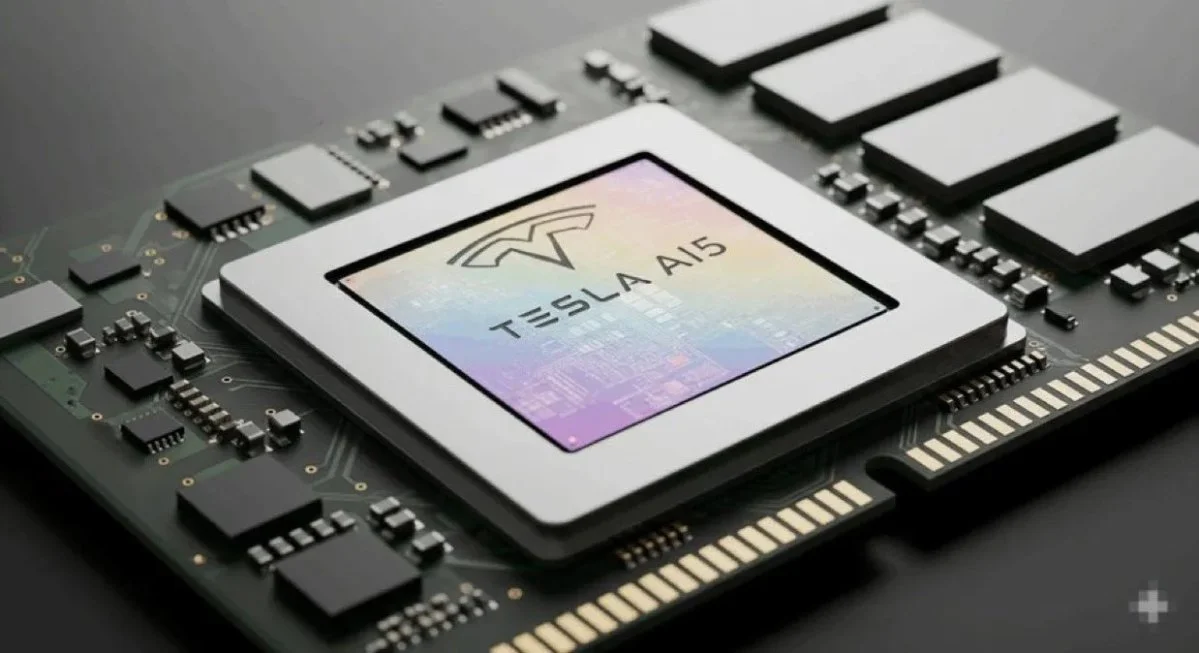
Tesla already spreads some chip production across suppliers. Its AI5 processor is set to use Samsung and TSMC, and Samsung has begun trial production at its Texas facility. Mass production is expected in 2027. A second or additional manufacturing source can help a company meet demand and reduce dependence on one supplier, particularly when a chip is destined for several kinds of hardware.
AI5 is expected to serve more than one role. Tesla plans to use it in Optimus robots and AI training clusters before bringing it to vehicles. The source reports that one AI5 chip offers five times the compute of two current-generation AI4 chips combined. Those plans suggest that Tesla’s demand for AI silicon could extend beyond its car production, making future foundry capacity relevant across its business.
AI6 is a natural candidate for Intel’s 14A process because the process is expected to arrive after AI5’s planned manufacturing ramp. But the fit isn’t straightforward: Samsung already has a $16 billion contract for AI6. Intel’s role could involve another product, extra production capacity, or a chip Tesla hasn’t yet described. The available details don’t settle which explanation is correct.
The distinction matters because a manufacturing agreement doesn’t necessarily mean Intel will design the processor. The source describes Intel as the foundry, which means the deal concerns making a chip at Intel’s facilities. The processor’s intended use, specifications and production volume remain undisclosed. Until Tesla or Intel provides those details, assigning the contract to a specific chip generation remains informed speculation.

An infotainment chip looks less likely
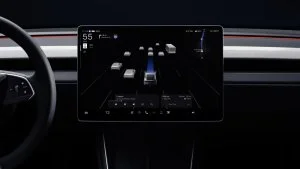
A custom processor for Tesla’s Media Control Unit is another possibility, but the company’s past choices make that a weaker fit. The first MCU used an Nvidia Tegra processor, MCU 2 moved to Intel Atom, and MCU 3 adopted AMD Ryzen. That history shows Tesla has changed suppliers across generations, but it doesn’t point to a custom Intel chip for a future MCU. Such a product can’t be ruled out; there’s simply no evidence in the reported deal to identify it.
The same timing makes an upgraded AI4 computer an unlikely match. Tesla plans to offer AI4+—also called AI4.5—as an option for HW3 owners, and the source says those owners need the hardware before Intel’s 14A process is ready. A manufacturing process expected around 2028 would come too late for a chip intended to address that earlier upgrade path.
Intel gains a customer, Tesla keeps its options open
For Intel, the customer itself is significant. Intel has been working to show that its foundry roadmap can attract outside companies, and a high profile customer willing to use a future process gives that effort a tangible test. The agreement arrived alongside an Intel update on 18A production progress and a $20 billion equity raise to fund new foundry facilities. Those details speak to the scale of Intel’s manufacturing plans, while the Tesla deal provides a potential customer for 14A.
The companies have worked together before. Tesla and SpaceX joined Intel on the Terafab project, a proposed large chip factory intended to produce chips in-house. The 14A agreement appears to cover a separate arrangement: Intel would manufacture chips at its own facilities. That gives Tesla a potential external source of supply even as it pursues its own manufacturing ambitions.
No dollar value or schedule has been disclosed for the 14A deal. The useful takeaway for buyers and technology watchers is that Tesla is lining up manufacturing options for chips well beyond its current vehicle hardware. Whether Intel’s part is AI6 or a new design will depend on details the companies haven’t shared; for now, the process timeline is the clearest clue.