Tesla Supercharger Prices Rise 15% for Non-Members as U.S. Fast-Charging Costs Edge Up
Non-Tesla drivers now average $0.569 per kWh at Superchargers; a 60 kWh session costs about $4.50 more than a year ago.
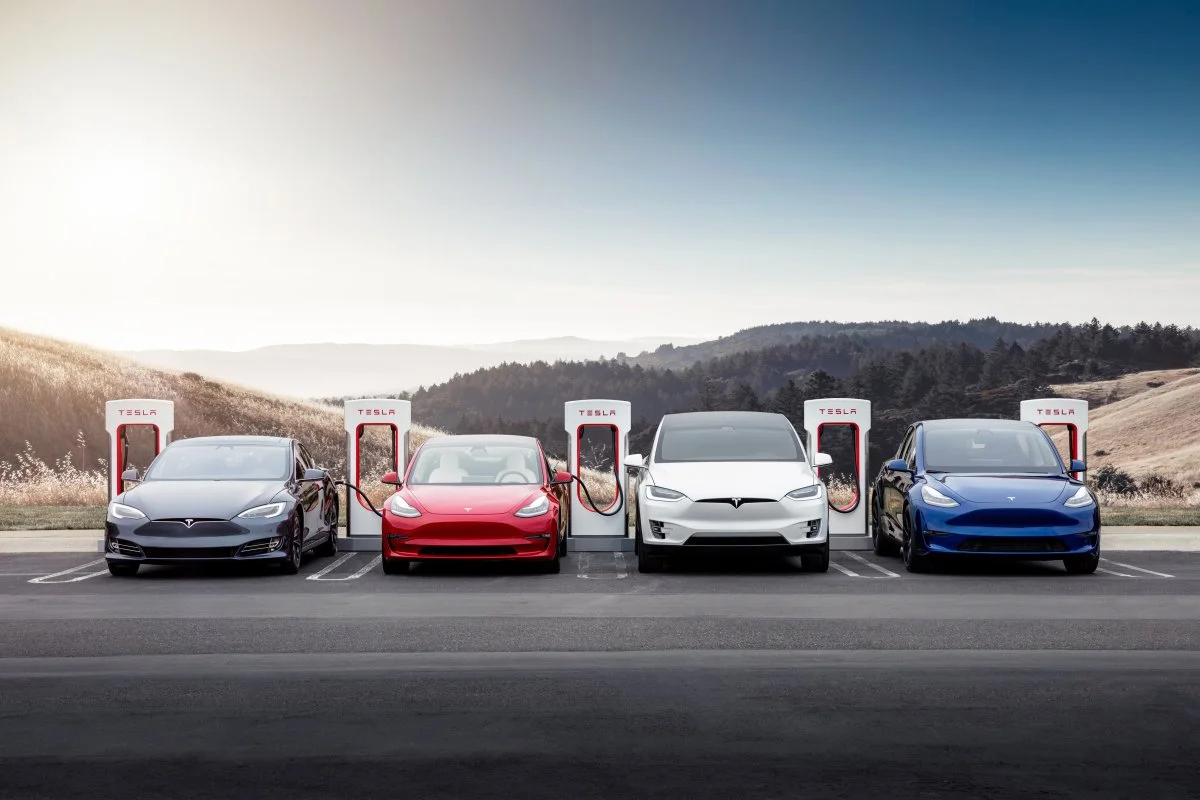
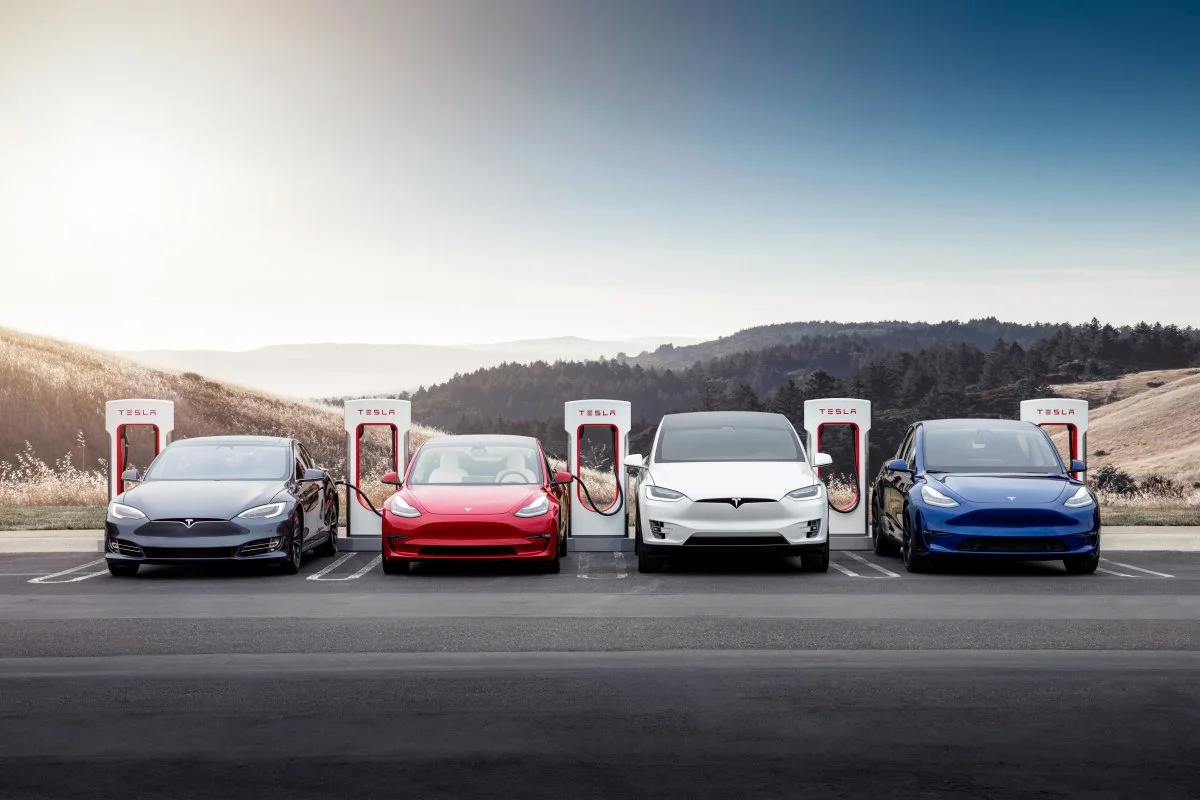
Tesla’s Supercharger price increases have narrowed the cost gap with other public fast-charging networks. Non-Tesla drivers without a membership now pay an average of $0.569 per kWh in the United States, up 15% from a year earlier. The increase also lifted the national average for fast charging, which had been largely unchanged for more than a year.

The figures come from Paren’s Q3 U.S. EV Fast Charging report, as reported by InsideEVs. The distinction between Tesla owners, members and other EV drivers matters here: the reported $0.569 rate applies to non-Tesla drivers who don’t subscribe to Tesla’s Supercharging Membership. Members pay the same average rate as Tesla owners, $0.396 per kWh, though that price has also risen about 9% year over year.

What the higher rate means at the plug
A 15% rise is noticeable in the rate, but the added cost depends on how much energy a driver buys. At the report’s average non-member price, a 60 kWh session comes to about $34.14, compared with $29.70 a year earlier. That’s roughly $4.50 extra for the same amount of energy. Drivers who make only occasional highway stops may feel little change across a year; people who rely heavily on public fast charging will see more of it.
Paren estimates that around 80% of EV charging happens at home. On that basis, it puts the annual increase at about $66 for an average non-Tesla driver who uses Superchargers for all of their public fast charging. That estimate describes a particular usage pattern, so it won’t fit every driver. The share of charging done away from home, the amount purchased during each stop and the local rate all shape the bill.
Energy charges also aren’t the only possible cost at a Supercharger. Depending on location and site occupancy, congestion or idle fees may apply. The rates described in the source are $0.50 per minute when a site is at least half full and $1 per minute when it’s completely full. Moving the car within five minutes waives those fees. Drivers can find more detail in this guide to Supercharger idle and congestion fees.

Prices now sit close to competing networks
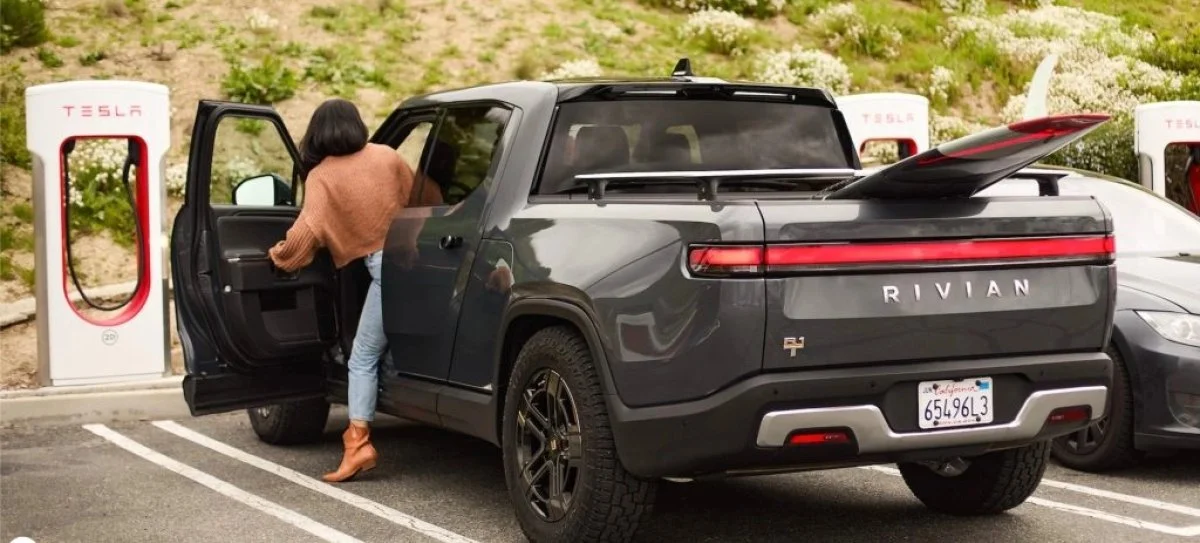
Non-Tesla drivers paying the average Supercharger rate are now slightly above the $0.533 per kWh average for other fast-charging networks. Paren says that comparison rate has held steady for five consecutive quarters. The difference is $0.036 per kWh, or about $2.16 on a 60 kWh session. That’s a modest gap, although the best comparison for any driver is the price at the specific sites along their route.

Tesla’s increase alone pushed the national fast-charging average up about 2%, to $0.540 per kWh. That makes the network’s pricing relevant beyond its own customers: as more drivers in other EVs use Superchargers, changes to Tesla’s rates can influence the broader average. The data points to a shift in relative cost, rather than a sharp break from the wider market.

Price is only one part of a charging stop. Drivers also weigh whether a site is on their route, whether it has available stalls and how easily their vehicle can use the network. A small per-kWh premium may be reasonable for a driver who values the particular locations available to them, while a lower rate elsewhere may matter more to someone comparing several convenient options. The report’s averages don’t show the price at every individual site.
Network growth adds another factor
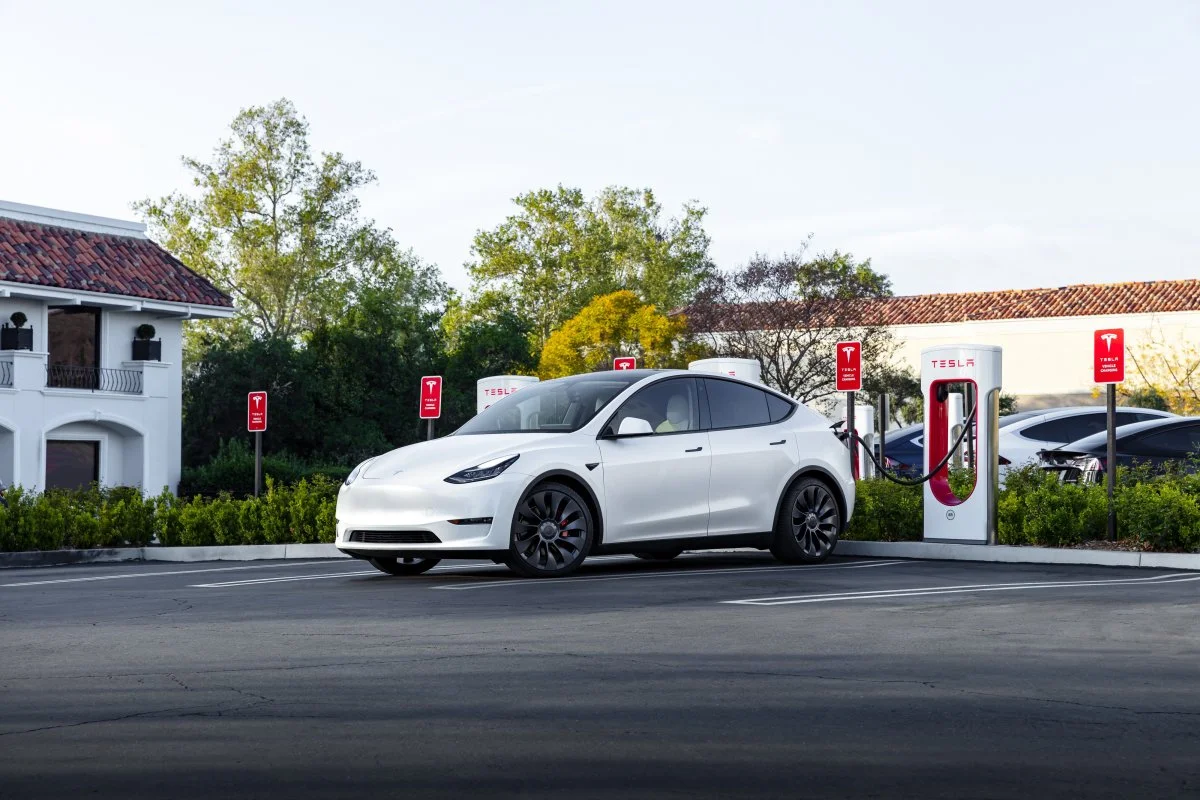
The higher prices arrive as Tesla continues to expand its charging footprint. The global network recently passed 85,000 stalls at 9,000 locations, after adding about 2,700 stalls worldwide in the previous quarter, including 1,287 in the U.S. More sites can make the network useful to a wider group of drivers, but the report doesn’t establish that expansion caused the price changes.
Tesla is also using pre-assembled designs, including its Accordion Superchargers, which the source describes as easier and less expensive to install. The company’s network expansion and the growing number of drivers from other brands using its chargers are relevant context for future pricing, but neither guarantees that rates will rise or fall.

For now, non-members face an average of just under 57 cents per kWh at Superchargers, compared with about 53 cents at other fast-charging networks. Drivers planning a trip can use those figures as a broad benchmark, then check the rates and occupancy fees at the stations they expect to use. A few cents per kWh can add up over repeated stops, while the actual cost of a road trip depends on how much charging happens away from home.