Tesla Ends Cybertruck Reservations in Australia and New Zealand
Tesla is canceling Cybertruck reservations in Australia and New Zealand, refunding deposits and offering a year of FSD (Supervised) with a new Model 3 or Y.
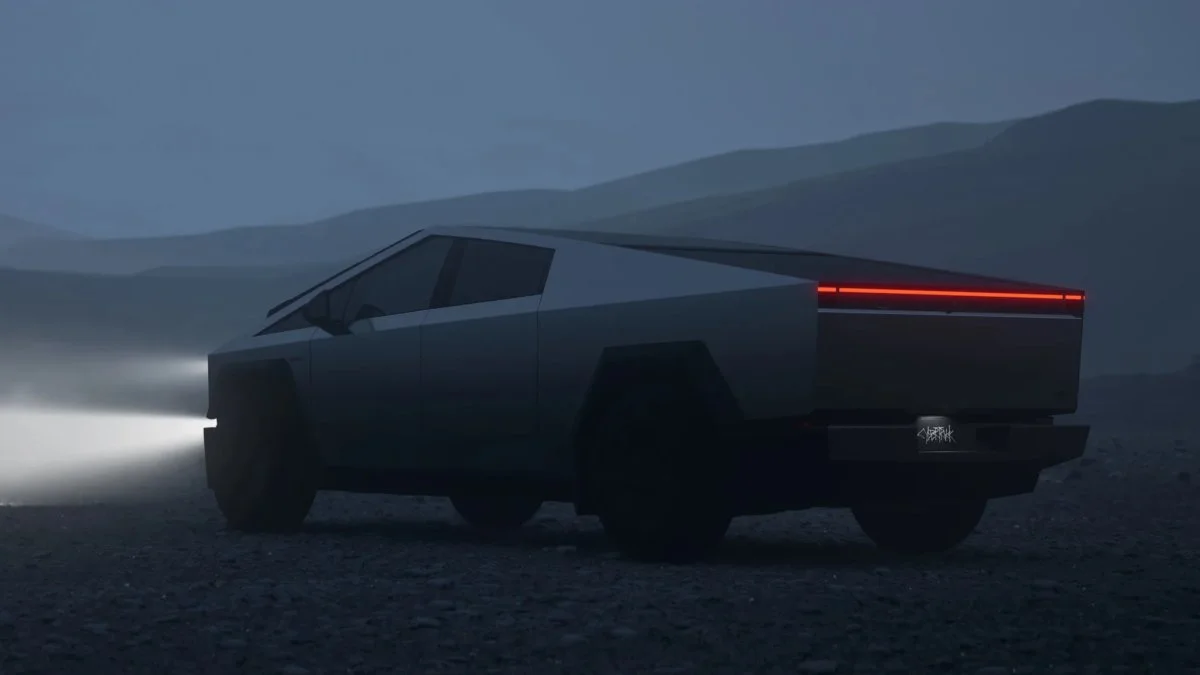
Tesla has ended plans to sell the Cybertruck in Australia and New Zealand, canceling reservations nearly seven years after opening them. The decision closes off a right-hand-drive version of the pickup in two markets where drivers keep to the left, and leaves reservation holders with refunds plus an optional software offer tied to buying another Tesla.
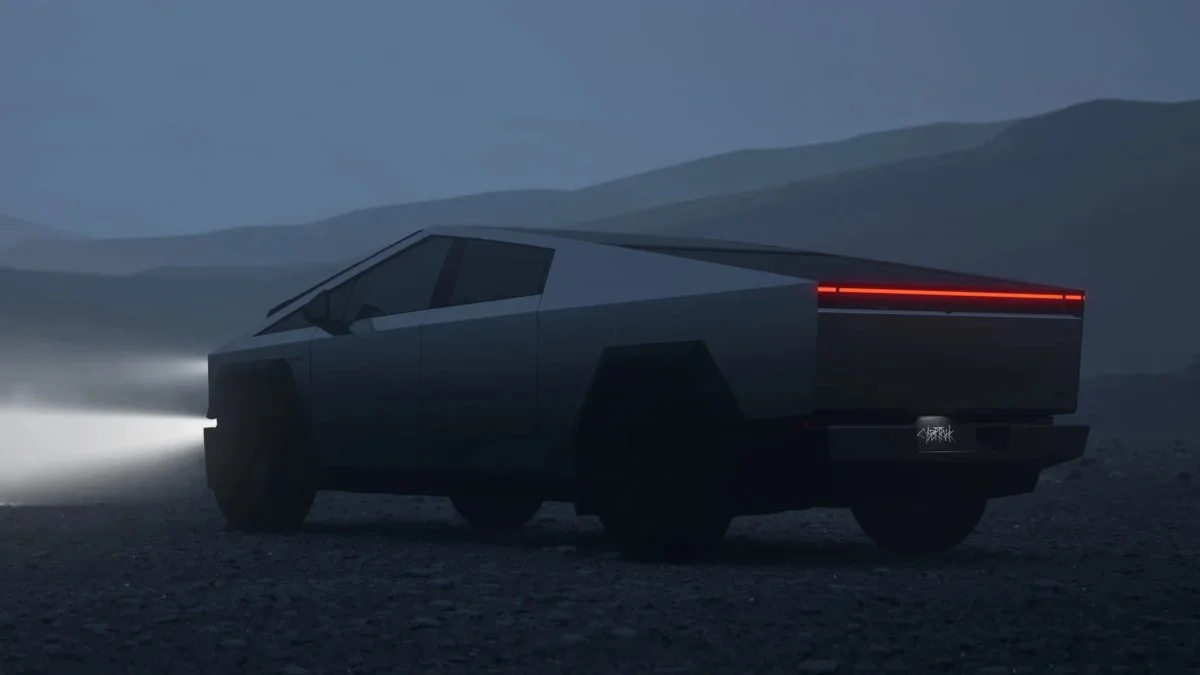
In emails to customers, Tesla said its plans to produce the Cybertruck for Australia and New Zealand had been discontinued. The company told reservation holders it could not fulfill their orders and would cancel them. The change makes the truck’s availability in those countries a question of importing a left-hand-drive vehicle, subject to local requirements and the buyer’s willingness to take on the practical and financial complications.

Refund process and replacement offer
Tesla says it will return all payments made toward the reservations. Customers will receive a separate email with instructions for providing refund details, and the company says it will process payment within 30 days after a customer confirms those details.
The reservation deposit was $150, according to the source. Tesla is also offering affected customers a free one-year FSD (Supervised) subscription if they order a new Model 3 or Model Y by the end of 2026. The cited monthly price in Australia is $149 AUD, which puts a year of the subscription at $1,788 at that rate. That offer may appeal to customers already considering one of those cars, but it requires a new vehicle order; it is not a cash addition to the reservation refund.

For buyers whose interest was specifically in the Cybertruck, the Model 3 and Model Y are different vehicle types and do not replace the pickup’s utility or design. The software offer is therefore a separate incentive, rather than an equivalent substitute for the canceled reservation.
Why right-hand drive mattered
Australia and New Zealand both drive on the left, making a right-hand-drive Cybertruck the relevant configuration for a regular local launch. Tesla’s decision means it will not adapt production to supply that version in those markets. The source points to the limited likely market size as a possible reason: expected sales may not have justified the production changes needed for a right-hand-drive variant.
Tesla did not provide a production-cost estimate or explain the decision in more detail in the reported customer email. The commercial calculation is familiar for a vehicle with a specialized body and a distinct configuration: a manufacturer has to weigh the expense and complexity of adapting production against the number of buyers it expects to serve. Reservations show customer interest, but they do not by themselves establish that a market can support the cost of a new version.
A mixed signal for the Cybertruck
The Australia and New Zealand cancellation adds a fresh limit to the Cybertruck’s global reach. The pickup remains on sale in North America and other left-hand-drive markets, so Tesla has not announced an end to the model itself. Still, abandoning a right-hand-drive program after years of reservations is a setback for buyers who expected the truck to reach more markets.

The source also points to recent U.S. price increases of $5,000 amid sales described as underwhelming. That combination raises questions about how Tesla will balance the Cybertruck’s production costs, pricing and demand. It does not establish that the truck will be discontinued, but it makes the company’s market choices more consequential for the model’s prospects.
There are signs Tesla continues to develop the vehicle. Recent changes cited in the source include a carbon-fiber underbody, new side repeater cameras and Powershare functionality that lets the Cybertruck work with a Powerwall to supply power to a home. Those updates show ongoing product work, even as the company has dropped one potential export configuration. For owners, Powershare is a practical capability to watch; for prospective buyers, it does not change the markets where Tesla currently offers the truck.

What reservation holders can do next
The source compares this decision with Tesla’s earlier discontinuation of Model S and Model X orders. Those cars had sold more units and had longer histories, yet low volumes still contributed to their end. The comparison underscores a basic point for buyers: a model’s prominence or years of customer interest do not guarantee that every planned version will reach production.
Australian and New Zealand reservation holders should expect the refund process to begin with Tesla’s follow-up email and their confirmation of payment details. Anyone weighing the Model 3 or Model Y offer will need to decide whether a new vehicle order makes sense for their needs; the subscription’s stated value depends on the cited Australian monthly rate and eligibility under Tesla’s offer.
For those still set on owning a Cybertruck, importing a left-hand-drive model may be the remaining route described by the source, provided local requirements permit it. That route brings practical questions around vehicle configuration and cost that a local sale would have avoided. The near-term takeaway is clear: Tesla’s stated plans leave Cybertruck buyers in both countries without a local right-hand-drive model, while the pickup continues in left-hand-drive markets.