Tesla Targets Q2 2027 for Customer Robotaxi Access and Unsupervised FSD
Tesla says customer cars could join its Robotaxi network around Q2 2027, with FSD v15 and service area limits shaping the rollout.
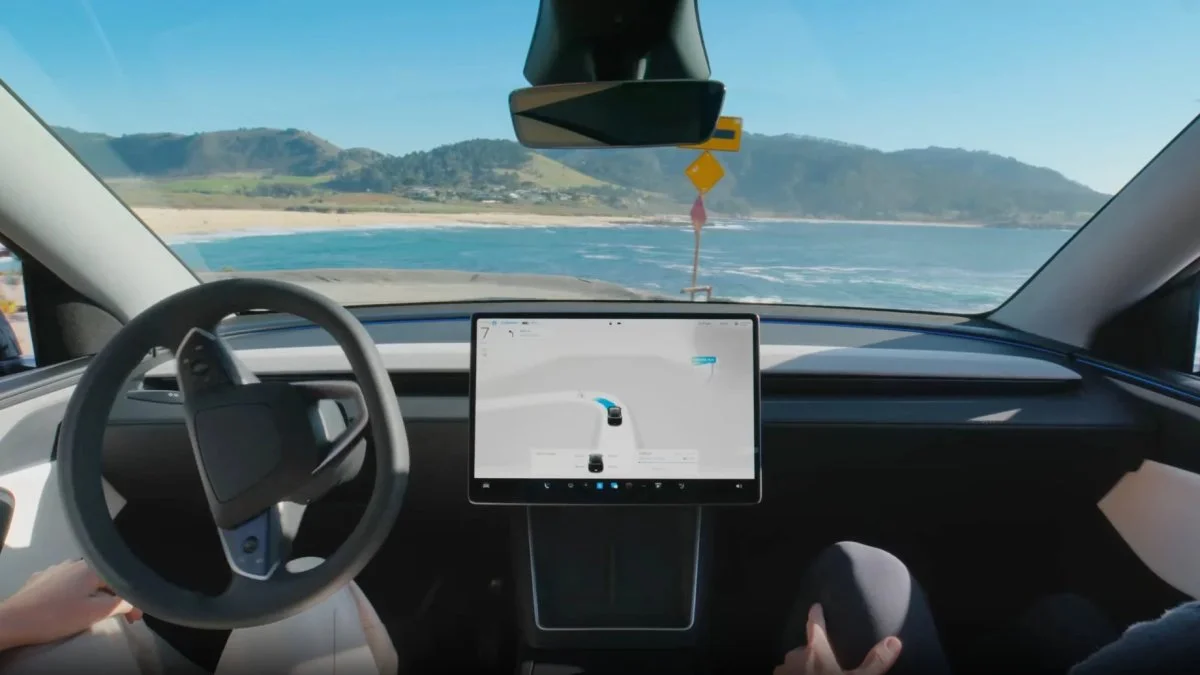
Tesla has put a date on two long-promised pieces of its autonomy strategy: customer vehicles running unsupervised Full Self-Driving and the option for owners to add their cars to the Robotaxi network. Ashok Elluswamy, Tesla’s vice president of AI, said during the company’s Q3 2026 earnings call that the first customer cars could join the fleet around Q2 2027.

“We suspect somewhere around Q2 next year is when we can turn on some of the first customer vehicles to be part of the Robotaxi fleet,” Elluswamy said. The phrasing matters: this is a target for an initial group, not a firm date for broad availability. Tesla hasn’t outlined which cars will qualify or how quickly the service could expand.
One software stack, with location limits
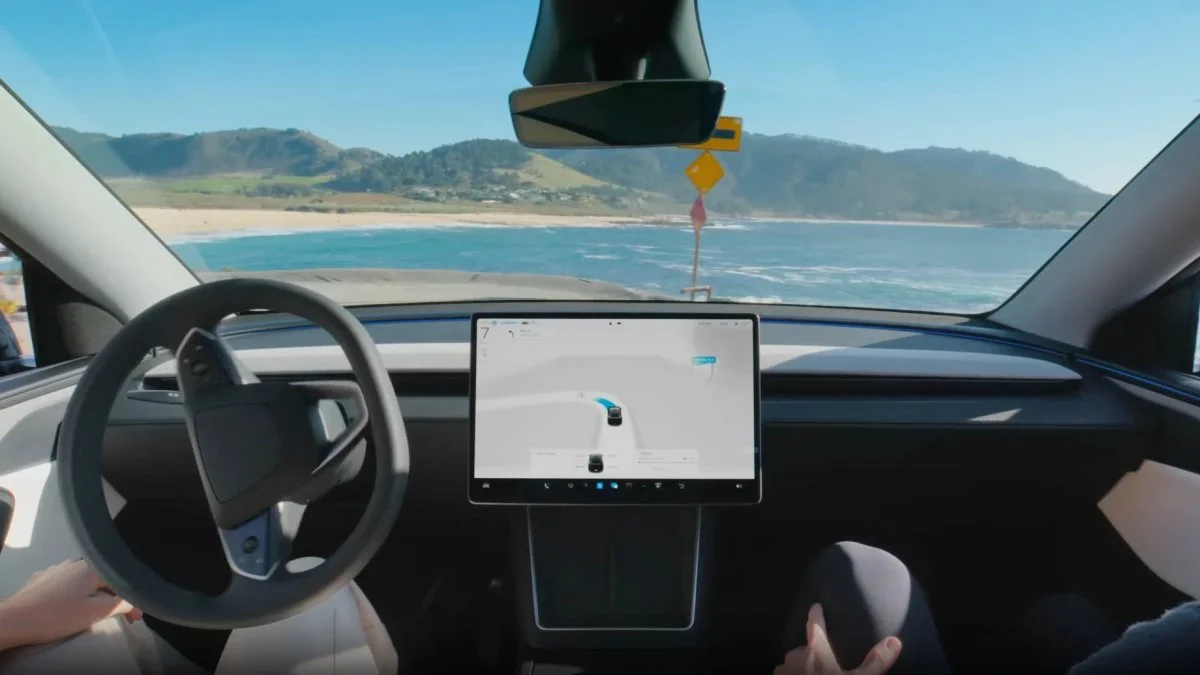
Elluswamy said Tesla’s Cybercabs and Model Y robotaxis already use the same software. The company intends to bring that software to customer vehicles through FSD v15, making the version a key step in connecting privately owned cars to the commercial fleet.
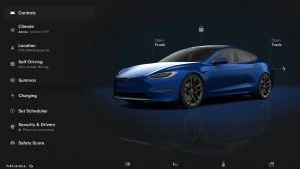
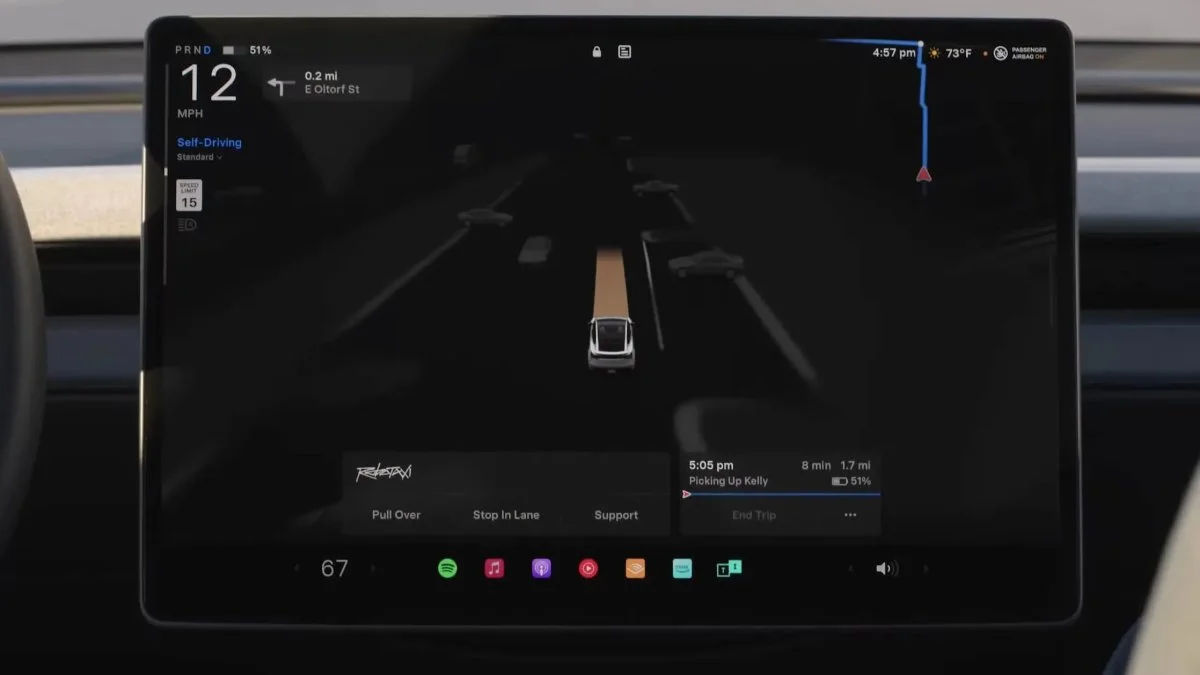
Software is only part of the work. Tesla still needs customer vehicles to function within its geofences and fleet management system. In practical terms, the first owners are likely to face a limited service area, with access tied to places where Tesla has set up its Robotaxi operation. The rollout could follow the city-by-city pattern used to expand that service.
Austin, where Robotaxi began, is a possible early location, though Tesla hasn’t confirmed that customer cars will operate there first. The company has named four additional Robotaxi cities, but the source provides no customer-car launch schedule for those places. Where the service is available will matter as much as the software version: an owner outside a supported area may have no immediate way to put a car to work.
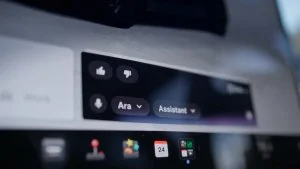
FSD v15 is expected to bring a substantial change to Tesla’s neural network, with Elluswamy previously describing an increase from about 1 billion parameters to 10 billion. Tesla plans to deploy v15 in its Robotaxi fleet before customer vehicles receive it. If the Q2 2027 target holds, customer access could arrive in a later point release of v15.
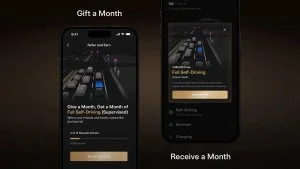
Owner income remains an open question
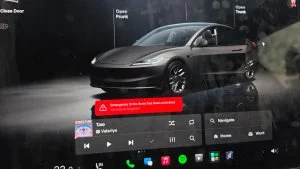
Tesla has said Model 3 and Model Y owners will be able to make their cars available to the Robotaxi network when they aren’t using them. The Q2 2027 estimate is the first timeline the company has given for that plan. The idea could put an owner’s existing car into paid service, but the operating details are still missing.
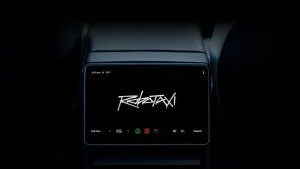
Tesla hasn’t explained how revenue would be shared, who would arrange charging and cleaning, or how fleet management would work for cars owned by customers. Those details will shape the appeal for drivers as much as the prospect of earning from an idle vehicle. Owners will want to know when a car can be used personally, how service tasks are handled, and what portion of a ride’s proceeds reaches them. None of those terms has been stated.
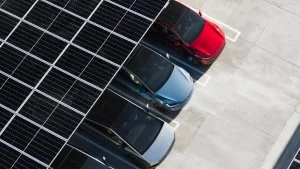
The Cybercab presents a different route into the network. Tesla wants to deliver the first customer Cybercabs by the end of this year, but hasn’t said whether those initial vehicles will go to fleet operators or individual buyers. Unlike a Model 3 or Model Y that can serve both personal and commercial roles, the Cybercab is designed specifically for ridesharing. Its early delivery plan could show whether Tesla expects the first network growth to come from dedicated vehicles, owner-supplied cars, or both.
Demand is already building
Interest in FSD is rising alongside Tesla’s push toward unsupervised operation. More than 75% of new North American deliveries in Q3 included a paid FSD subscription, a record share, and Tesla reported more than 1.7 million paid customers worldwide. Those figures show a sizable customer base for the software, though they don’t establish how many owners will choose to make a vehicle available for rides.
Elon Musk has also said Robotaxi earnings should begin to make a noticeable contribution to Tesla’s finances around Q2 2027. That is the same period Elluswamy cited for the first customer cars. Aligning fleet growth and customer access in one window would make mid-2027 a meaningful test of whether Tesla can turn its software plans into a service that owners can use.
For buyers, the near-term takeaway is a timeline with important conditions attached: Tesla is aiming for an initial customer rollout around Q2 2027, FSD v15 is expected to reach Robotaxi vehicles first, and service will depend on geofences and fleet systems. Availability, eligible models, operating costs and owner payments remain unspecified. Those are the details that will determine whether joining the network becomes a practical ownership option.