Tesla’s AI Mapping System Is Set to Expand FSD v15 Navigation
Tesla plans to introduce its own AI based maps with FSD v15, starting with trip departures and arrivals before adding parking and voice features.
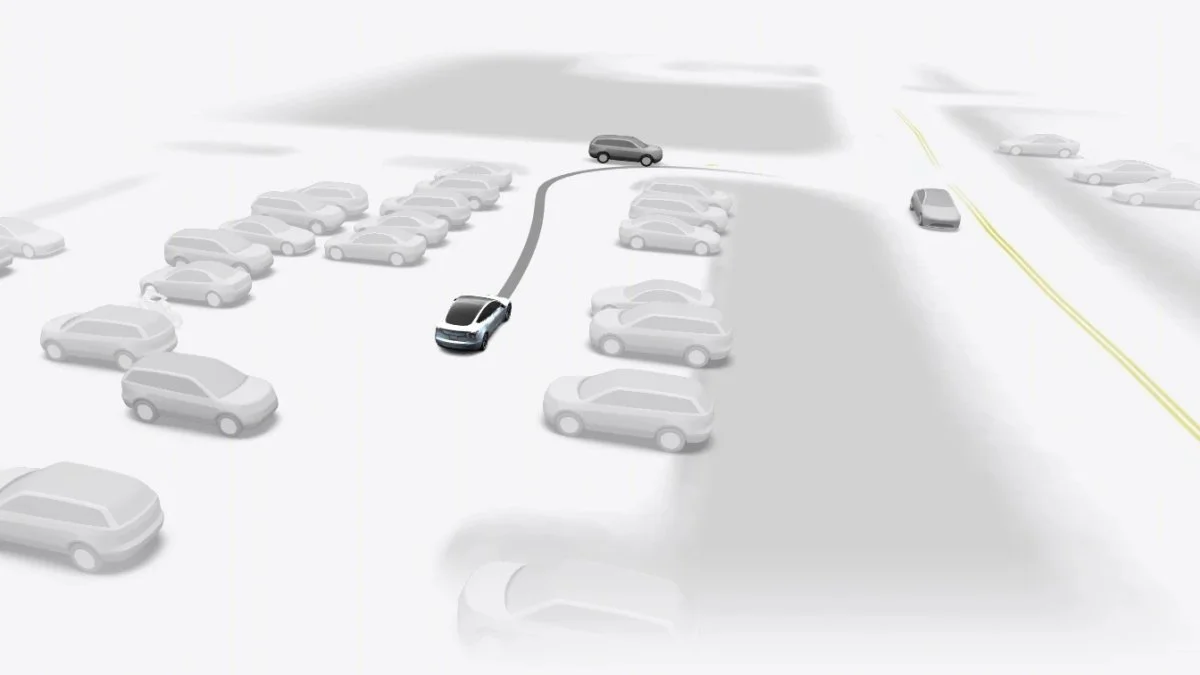
Tesla is developing its own AI based mapping and navigation system, with the first features expected to arrive in FSD v15. The planned change reaches beyond replacing map data: Tesla says the new architecture will support routing, parking and voice controls, areas where its current navigation experience and driver assistance have drawn criticism.

Ashok Elluswamy, Tesla’s vice president, described the project during the company’s latest earnings call. Asked about problems with speed limit recognition, parking and route selection, he agreed that outside map providers shouldn’t be the sole source of information. “You’re totally right that we shouldn’t be depending on external people’s maps,” he said.
From map data to an FSD input
Tesla’s current system already combines outside map content with software developed in house. Google supplies information through APIs, including map tiles, street level details, satellite imagery, points of interest and traffic. Tesla builds the navigation app and calculates routes, including options that account for Supercharger stops and a driver’s past preferences.
The proposed system would change how Tesla gathers and uses information about roads. Elluswamy called it a new architecture for AI based mapping and navigation. The company hasn’t described the underlying methods in detail, but the stated goal is to make map information more useful to FSD as well as to trip planning.
A fleet based approach could help Tesla collect observations from roads its vehicles travel, then use those observations to annotate map data. The source says possible details include travel speeds, stop signs, traffic lights and parking areas. Those examples are possibilities, not a confirmed feature list; Tesla hasn’t specified which data will be collected, how it will be checked, or how quickly map changes would reach vehicles.
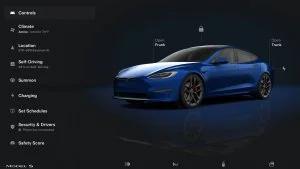
Where the new maps could matter
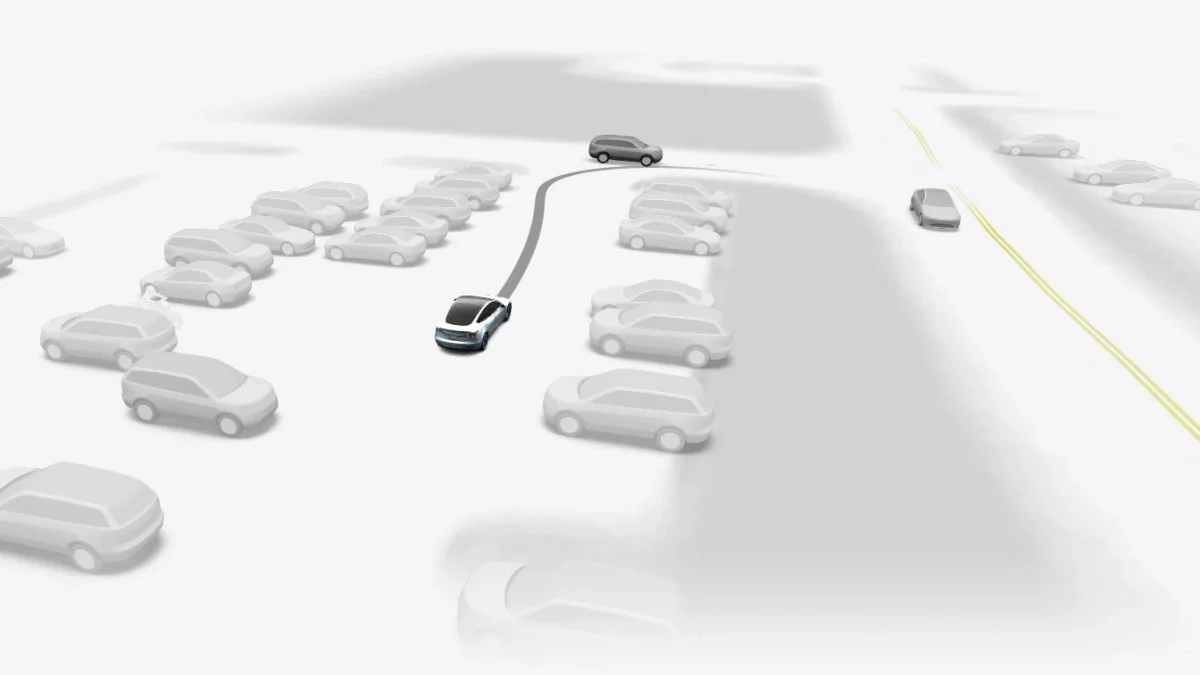
For drivers, better route selection is only one potential benefit. Map context that reflects speed limits and road features could help address some of the issues raised during the call. Parking is another target: the article describes a future in which drivers could tell the car what kind of space to seek, such as the closest available spot or one farther from other cars. Tesla has not confirmed those specific choices as available controls.
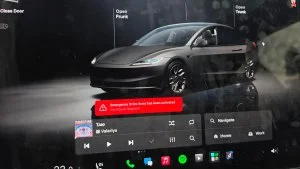
There’s a practical distinction between a map that helps a driver choose a route and one that also informs an automated driving system. The latter needs map details that are useful to the vehicle’s decisions, rather than simply a visual representation of roads. Tesla’s plan appears to bring those functions closer together, though the company has not explained how the new maps will interact with the vehicle’s existing camera based perception or how conflicting inputs would be handled.
The source also points to possible annotations for potholes, blind driveways and difficult intersections. Those examples illustrate what richer road data might contain, but they remain prospective. Drivers will need to see how frequently such information is updated and whether it meaningfully changes route choices or vehicle behavior in daily use.
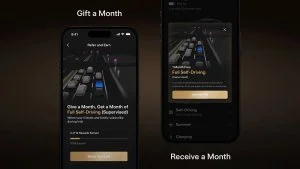
Personalized routes are already arriving
Tesla has begun adding personalization to navigation through Preferred Routes, introduced in its 2026 Summer Update. The feature gives priority to routes a driver has taken before. Automatic Navigation also gained the ability to route to regularly visited destinations beyond home, work and calendar appointments.
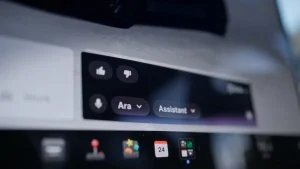
Those additions build on Alternate Routes, which Tesla introduced in 2022 and which offers up to three route choices. The new mapping project would extend that progression if it combines fleet observations with a driver’s preferences and voice requests. Tesla says users will be able to customize routes by voice; the source connects that capability to a planned Grok feature for controlling FSD, but does not give further details about how the two systems will work together.
FSD v15 is the first step
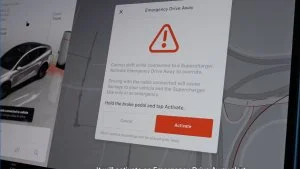
Elluswamy expects the initial applications to cover trip departures and arrivals with FSD v15. Tesla then plans to extend the system into other navigation functions, including parking and voice control, over the following several months. The company hasn’t provided a more specific rollout schedule in the source.
That staged introduction gives Tesla room to add mapping functions over time, but it also means the full experience won’t necessarily appear with the first release. For owners comparing navigation systems, the useful measures will be whether routes better match their preferences, whether parking choices become more controllable and whether map information helps FSD handle speed limits and road layouts more consistently. Tesla’s announcement sets out the direction; driver experience after rollout will show how much the new maps change everyday trips.