Tesla Optimus Starts Fremont Production, With External Deliveries Targeted for Late 2027
Optimus production has begun at Fremont, but Tesla expects a year of ramp-up before industrial customers receive robots.
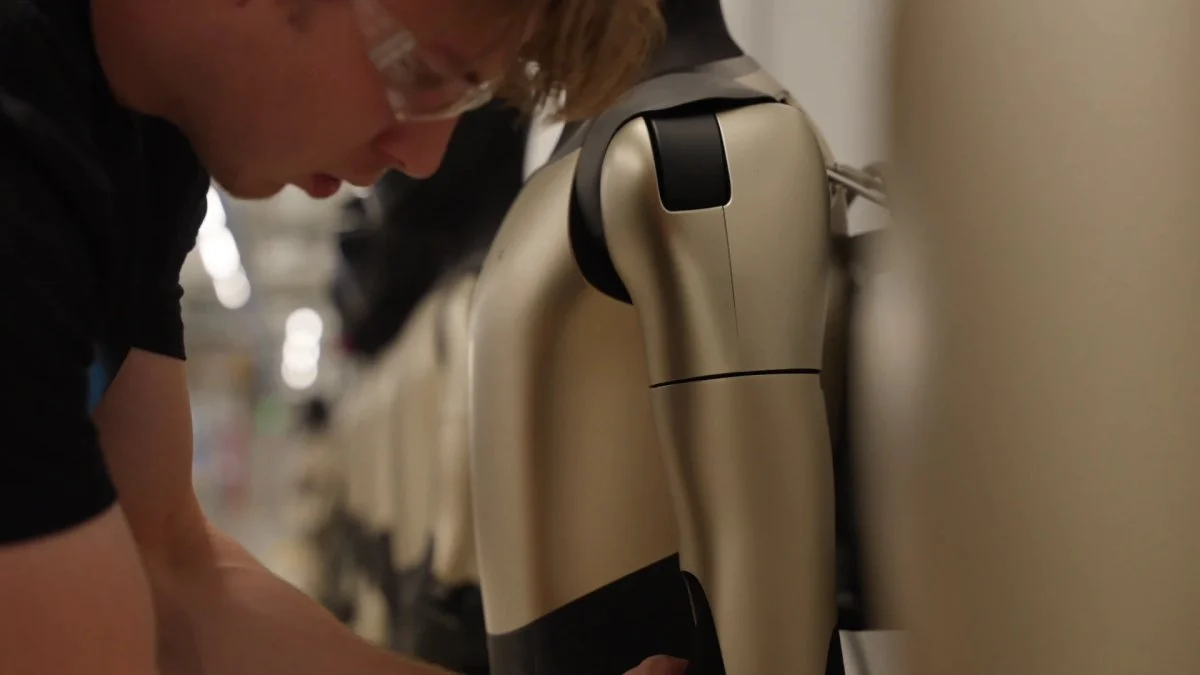
Tesla has begun building Optimus humanoid robots on a production line at its Fremont factory, but the start of assembly is only an early step toward commercial supply. Elon Musk says Tesla expects the line to take at least a year to reach 20,000 robots per week, and the company’s current target for deliveries to other businesses is around the end of 2027.
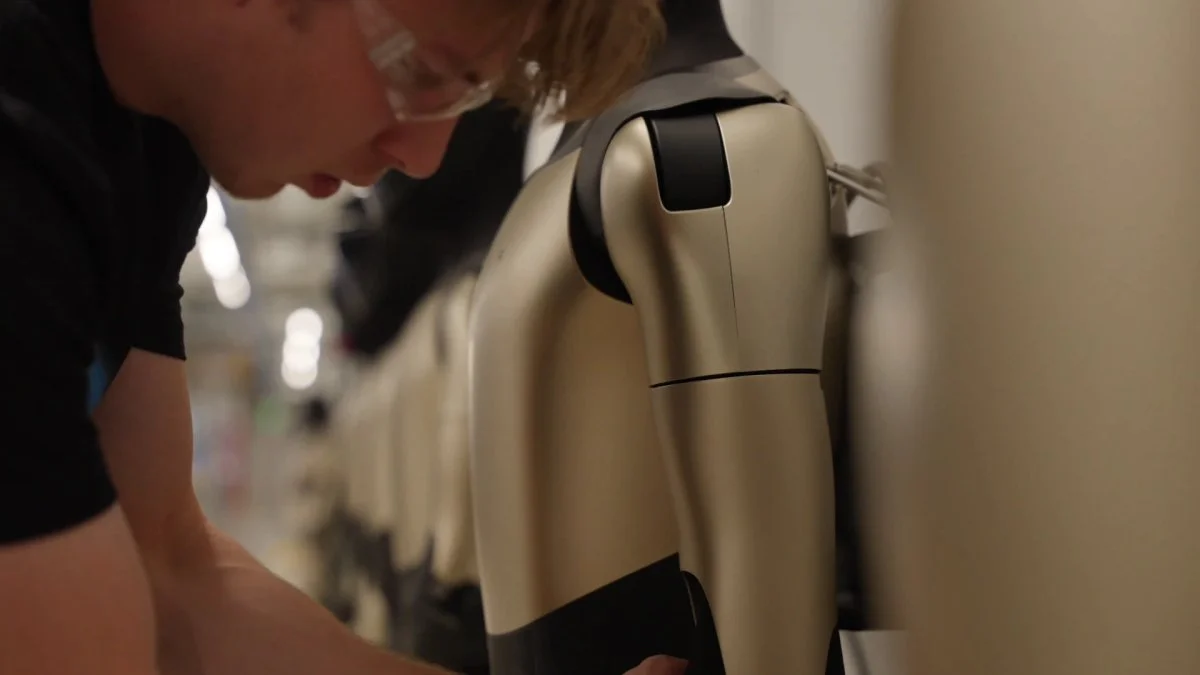
The distinction between starting production and reaching useful volume matters here. Tesla describes the robots now coming off the line as its first production-quality units, while Musk says the design and manufacturing process are still developing. For prospective customers, the near-term question is less whether the factory can build Optimus at all than how quickly Tesla can stabilize the product and increase output.

Fremont is the first production step
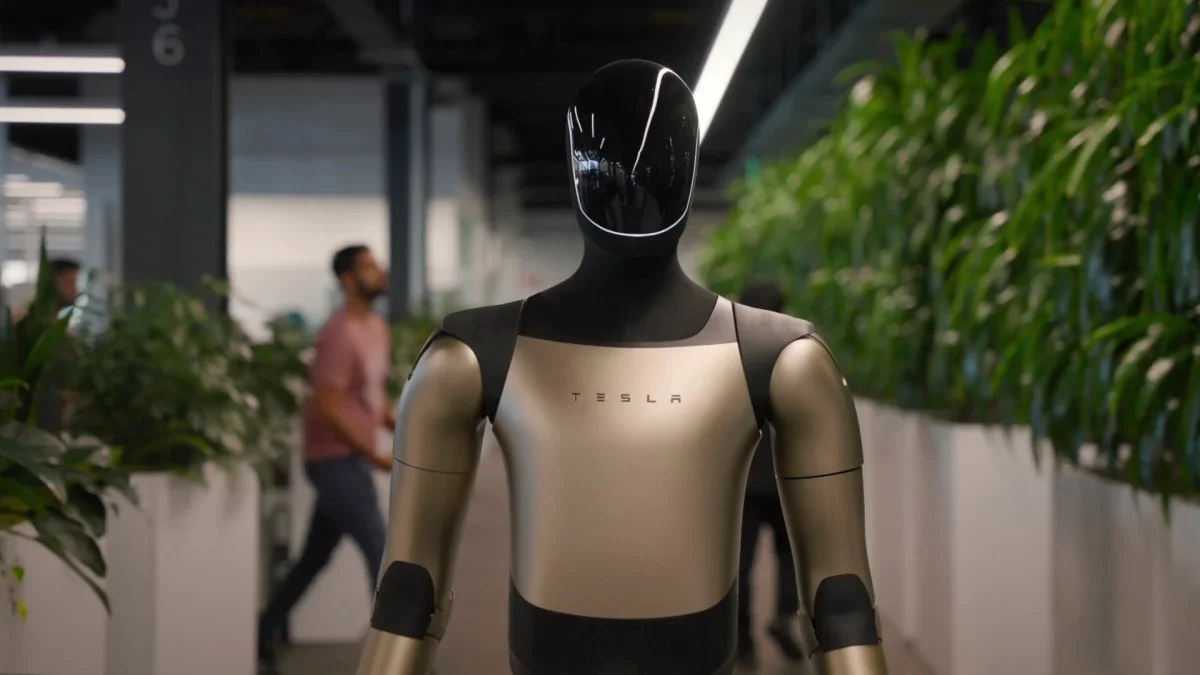
Tesla’s Q3 2026 shareholders’ presentation says the Fremont line is making its first production-quality Optimus robots and that the process is suitable for a commercial product. Musk described the operation on the company’s Q3 2026 earnings call as early production on a high-volume line.

The facility occupies space freed up when Tesla removed the Model S and Model X assembly lines at Fremont. That work took 46 days, according to the source report. Tesla says most of the Optimus line, which is planned to support annual capacity of 1 million units, has arrived at the site. That figure describes planned capacity, not the current production rate: Musk expects the ramp to be gradual and uneven while the robot’s design continues to change.
The Fremont factory conversion also gives the launch a direct manufacturing context. Tesla is repurposing space from two established vehicle lines for a product that has different parts, assembly needs and quality demands. The company’s claim that the process can support a commercial product is an early sign of readiness, but the output target and the time needed to reach it show how much work remains between first units and repeatable volume.
Capacity plans depend on a changing design
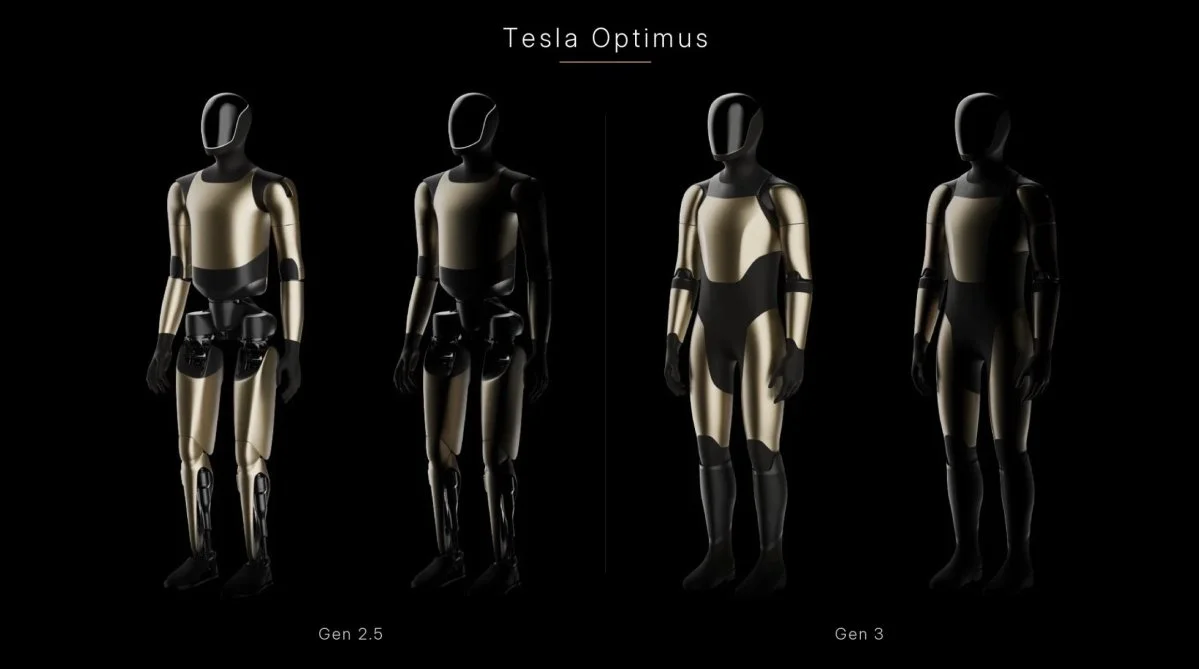
Tesla’s longer-range plan calls for a much larger production line at Giga Texas, with a stated capacity of 10 million units per year. The company expects to move from the current Optimus Gen 3 design to Gen 4 by the time that Texas capacity comes online. The scale of the planned increase is substantial, but those figures are future capacity targets rather than a forecast of near-term deliveries.
Musk characterized the production ramp as an S-curve, with a slow and bumpy opening phase because Optimus is a new product. He said reaching 20,000 units a week will take at least a year. That timeline leaves room for changes to parts and manufacturing methods as Tesla learns from early builds. For industrial buyers, consistency and serviceability will matter alongside raw output: a robot intended to work repeated shifts has to perform reliably in the tasks it is assigned, and the maker needs a process for maintaining it.

The company’s planned progression from Gen 3 at Fremont to Gen 4 at Giga Texas means the product may evolve while production expands. That can help Tesla incorporate design changes, but it also makes the transition between early units and later versions a key detail to watch. The source provides no pricing, customer names or specific deployment plans, so there is not yet enough information to compare Optimus with competing robots on purchase cost or operating expense.

Industrial use comes before home robots
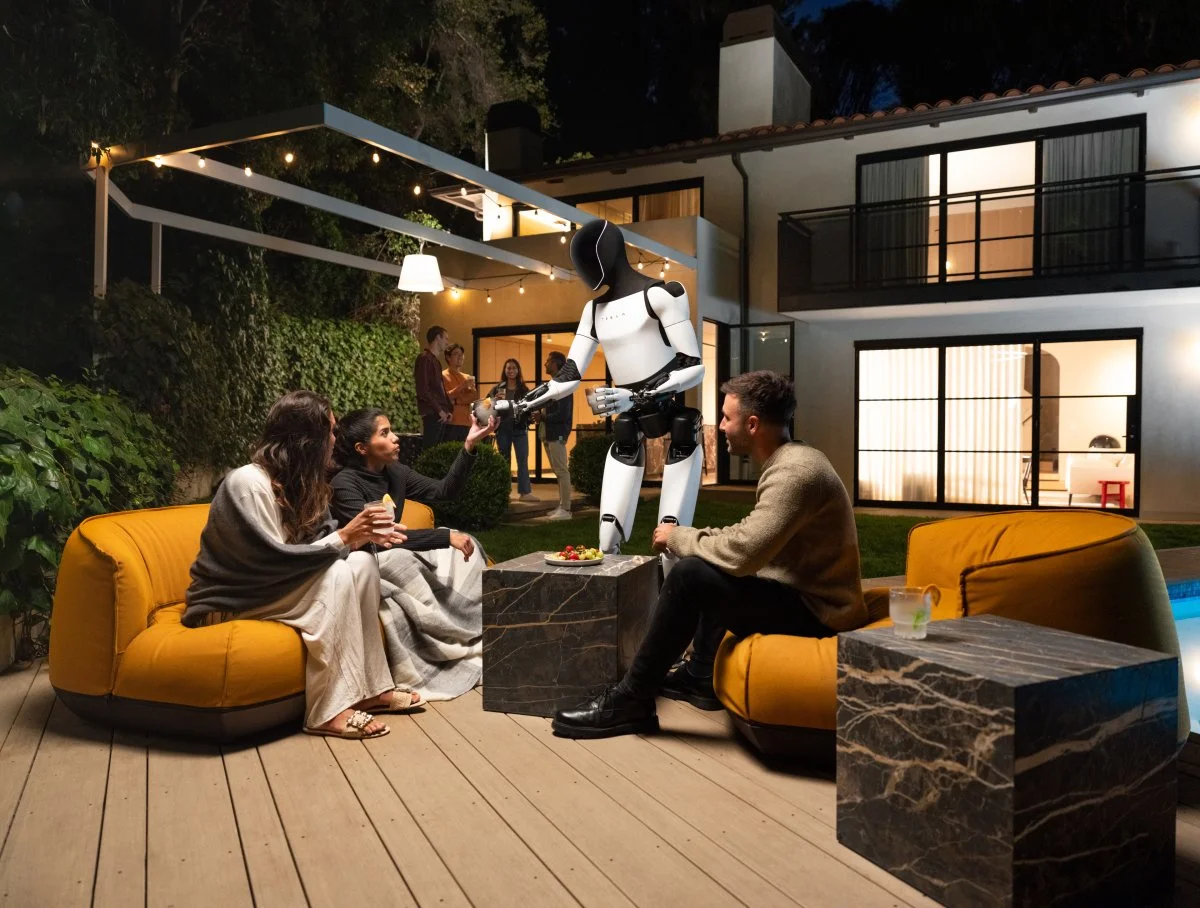
Tesla expects to resolve remaining issues involving AI, electromechanical design, reliability and durability around the end of next year. Musk says deliveries to other companies should begin around then. The first applications are expected to be industrial jobs that are repetitive, potentially hazardous and needed around the clock. Home use is described as a later possibility, dependent on production scaling up.
That order makes practical sense for a product still working through reliability and durability questions. Industrial operations can focus a robot on defined tasks and controlled environments; a household robot would face a wider range of objects, rooms and unexpected situations. Tesla has not provided a schedule for home availability, and Musk’s confidence in the product’s eventual scale does not resolve the nearer questions of task capability, uptime or cost.
A possible public demonstration could offer a more concrete view of those capabilities. Musk said Tesla may release a video in a month or two, showing Optimus doing tasks that are not pre-programmed. That distinction will matter: a demonstration of adaptable behavior would provide different evidence from a carefully scripted routine, though a video alone would not establish how consistently the robot can perform in day-to-day use.

AI5 is the next technical milestone
Tesla expects to add its AI5 chip to Optimus around April 2027. Musk says the chip is expected to deliver five times the compute of a full two-chip AI4 computer, and argues that the robot needs more computing capacity because it handles more degrees of freedom than a car. Those are company expectations; the source does not provide measured Optimus performance with AI5.
The chip’s timing will intersect with the planned production ramp and the expected start of external deliveries. Tesla says AI5 entered trial production at Samsung’s Texas factory last month, with mass production planned for next year. Whether the chip arrives in time to support the robot’s intended capabilities will be one milestone to track alongside the mechanical design, durability work and factory output.
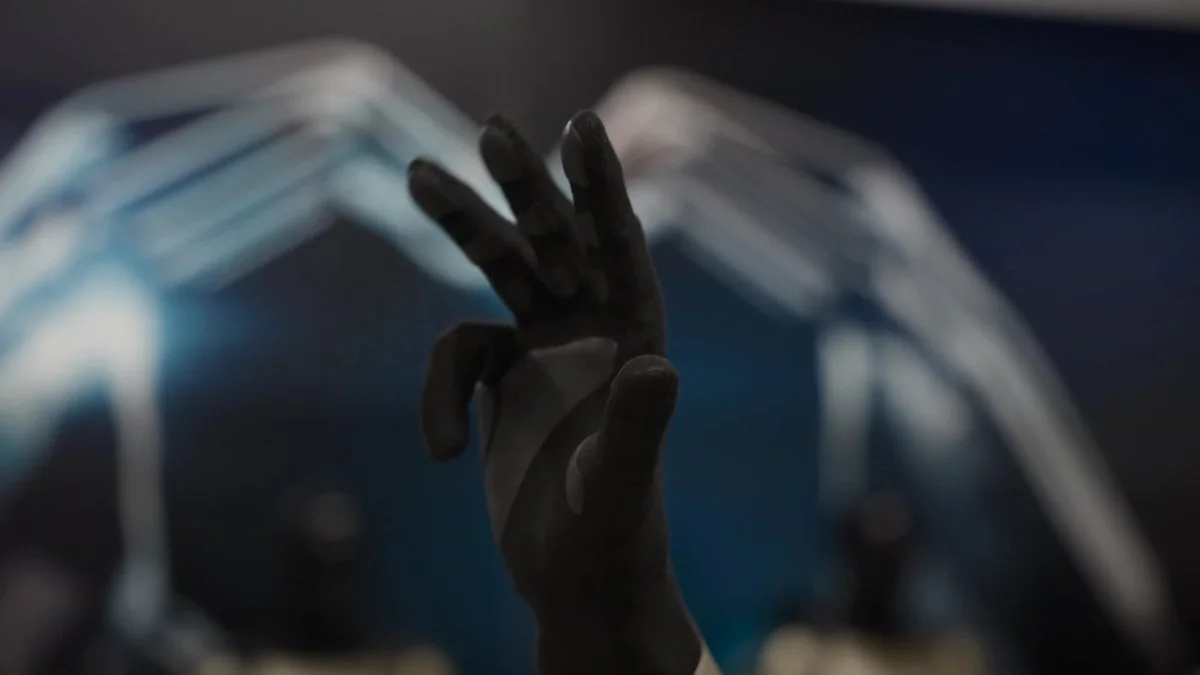
Earlier Optimus developments include a delayed Gen 3 reveal, a production-design image with cleaner joint covers and human-like hands described as having 22 degrees of freedom, and a patent covering flexible touch sensors for the hands. These details point to the areas Tesla is developing, but they don’t establish how the production robots will perform in customer settings.
For now, Fremont production is a meaningful factory milestone rather than a sign that Optimus is close to broad availability. Tesla’s next evidence will come from the promised task demonstration, progress toward the 20,000-per-week rate and whether industrial deliveries begin around the stated late-2027 target.