Tesla Targets 5 Million Vehicles a Year by 2030 as Cybercab Sales Near
Tesla aims to more than double annual capacity by 2030 and says it’s trying to deliver Cybercabs to customers by the end of 2026.
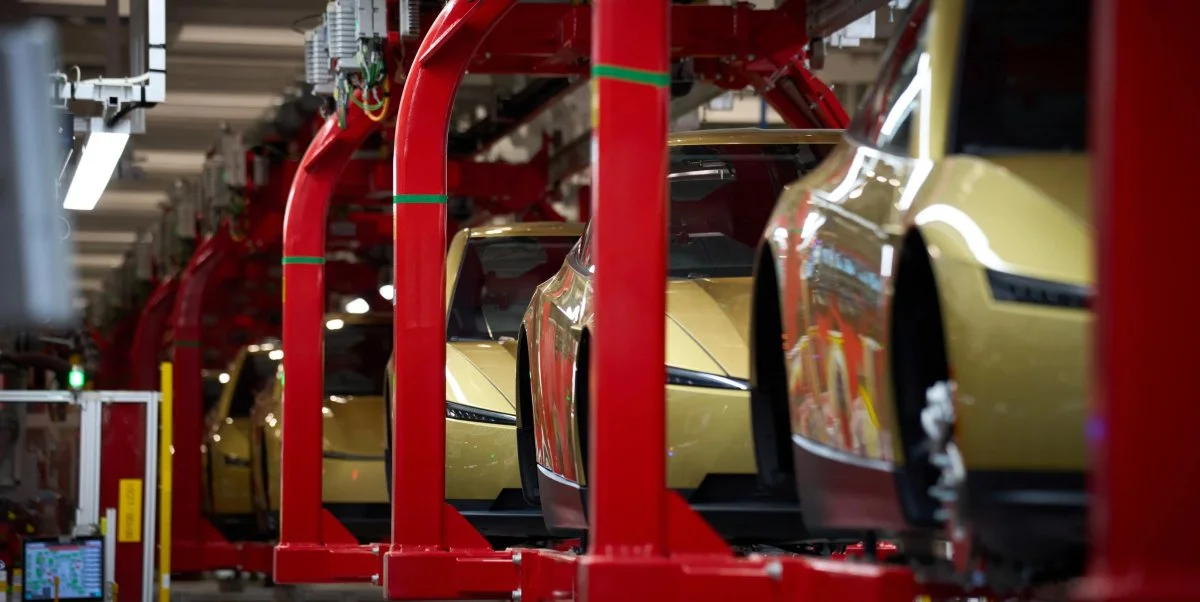
Tesla’s Cybercab plans now hinge on two milestones with very different scales: first customer deliveries by the end of 2026, and annual vehicle capacity of 5 million around 2030. The company says it’s preparing for both, but the near-term test is whether Cybercabs move beyond Tesla’s own ride-hailing fleet in the next few months.
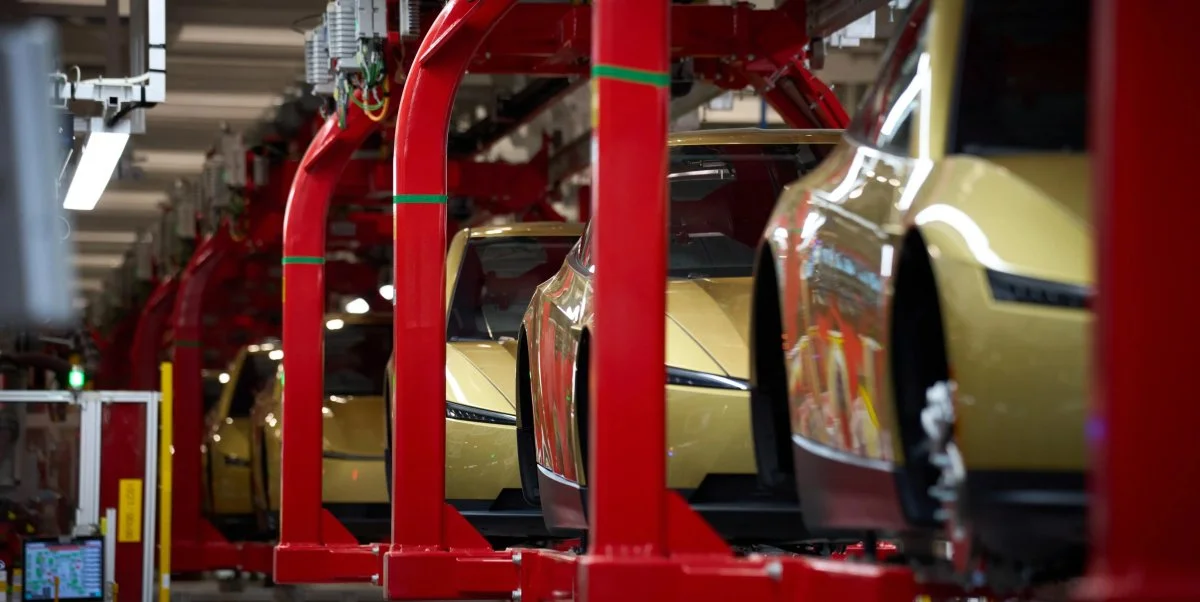
On its third-quarter 2026 earnings call, CEO Elon Musk said Tesla is “aiming for 5 million vehicles a year by approximately 2030.” He said the company has been laying the groundwork for more manufacturing capacity and believes it has “a good shot” at reaching that target. Tesla’s installed capacity is currently estimated at about 2.3 million vehicles a year across its main car factories, so the goal implies a major expansion over the next several years.

Capacity plans span existing and new factories
Tesla’s reported capacity is concentrated in four vehicle plants. Shanghai is rated above 950,000 units annually for the Model 3 and Model Y; Fremont is above 550,000 for those models. Berlin and Texas are each listed above 375,000 units, with Berlin producing the Model Y and Texas building mostly Model Y alongside Cybertruck and Cybercab. Those figures describe installed capacity, not necessarily actual annual output.
The company also lists a separate Semi factory with capacity of about 25,000 units a year. Fremont once had another 100,000 units of Model S and Model X capacity, but Tesla decommissioned those lines to make room for Optimus production. The change illustrates that the 5 million target is not simply a matter of restoring every former vehicle line: Tesla is assigning factory space to other products as it reshapes its manufacturing footprint.
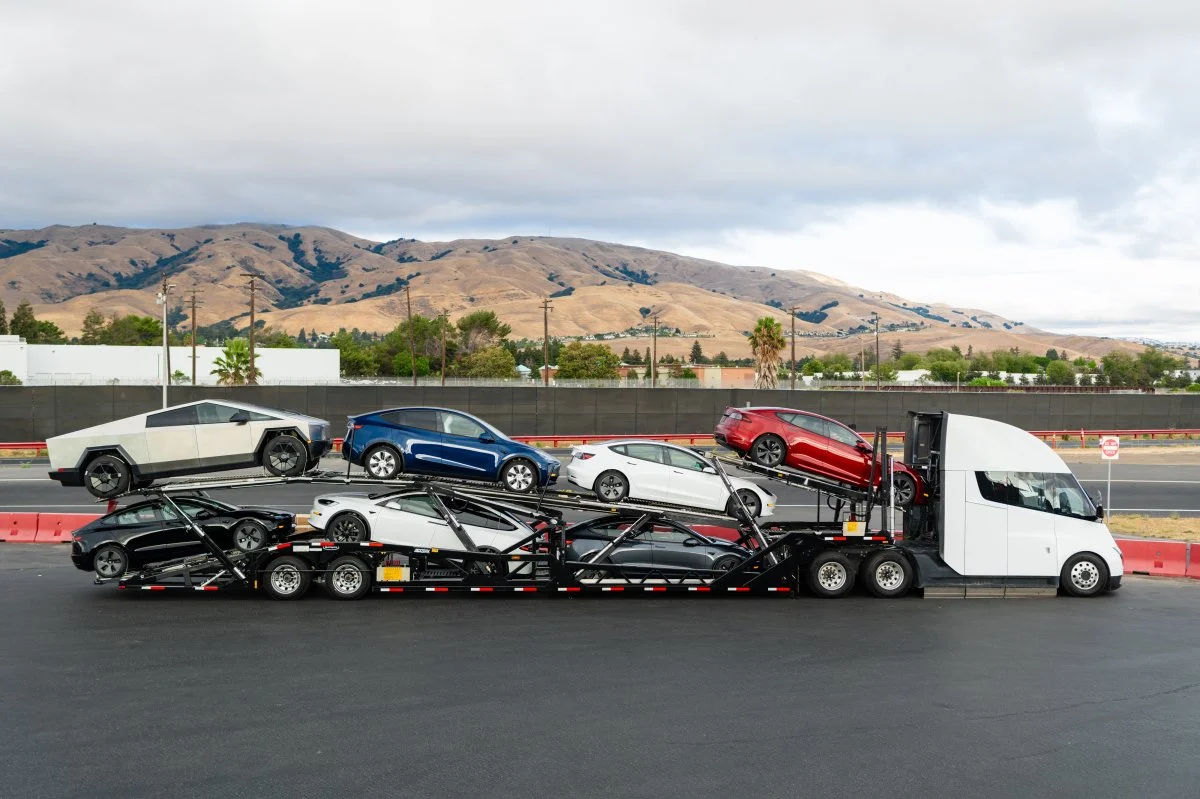
Tesla vice president Lars Moravy said factories were operating at record rates during the quarter, crediting investment in higher output at existing plants. He also pointed to new construction and expansion: the Cybercab ramp at Giga Texas, the Semi factory in Reno, and planned growth at Giga Berlin. Tesla’s stated Berlin plan would take the site to 1 million vehicles a year. Construction of a second production hall is expected to begin next year, alongside plans for another factory building and a logistics hub.
These projects establish the industrial backdrop for Musk’s target, but the information provided doesn’t break down how much capacity each one will add or how the total will be divided among vehicle types. That matters because the 5 million figure covers a broad production ambition, while the Cybercab could become a substantial new call on factory space.

Cybercab output depends on fleet expansion
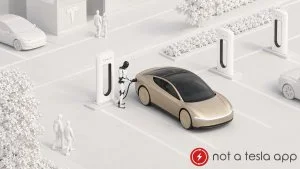
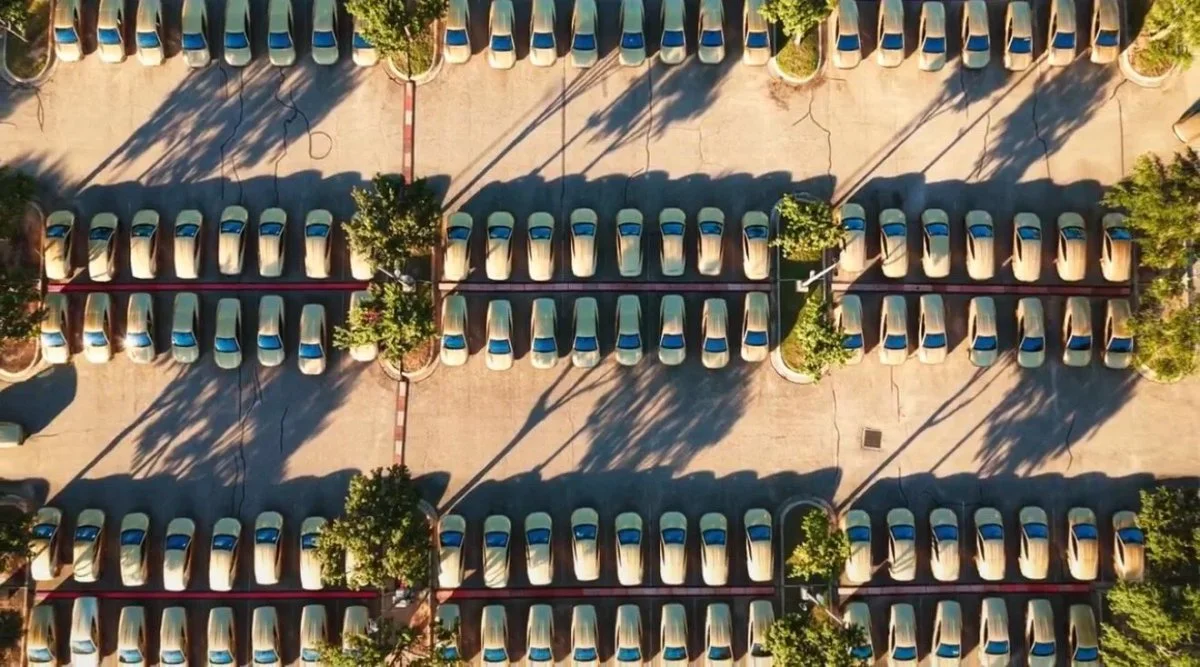
Tesla expects much of its new capacity to support Cybercab production. The company’s Robotaxi service is available in seven markets, but Cybercab rides are currently limited to Austin. Tesla has more than 300 Cybercabs there, with Dallas identified as the next market. Expanding service to more areas would require more vehicles, making production growth closely tied to how quickly the fleet operation develops.


Musk has described Cybercab as the likeliest next major product for Giga Berlin and has said he hopes to bring it to Europe soon. Tesla’s stated production ambition, at full speed, is one Cybercab every 10 seconds. That is a long-range target, not a current production rate. If reached, it would put Cybercab output in a different league from a limited initial rollout and could eventually match or exceed Model 3 and Model Y production.
For now, every Cybercab built at Giga Texas goes into Tesla’s own fleet. That makes the next step a meaningful change in how the vehicle is distributed: Tesla says it’s trying to get Cybercabs to customers before the end of 2026, with Moravy describing the initial volume as small before a gradual ramp.
First customer deliveries remain the near-term test
The company has invited businesses interested in buying Cybercab fleets to register their interest, but the first buyers haven’t been identified. Musk said the vast majority of Cybercab activity will remain Tesla-owned and used for transport as a service. That points to fleet operations as the core use case, even if some vehicles are sold to outside customers.

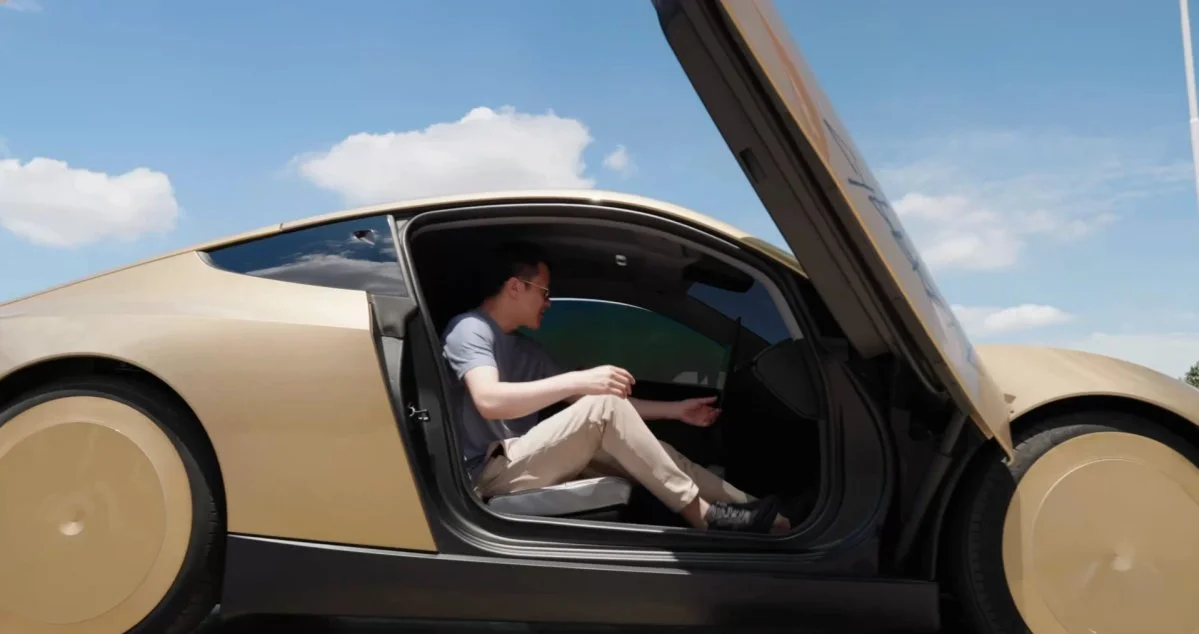
Individual ownership is still an open question. Musk previously said Tesla would sell Cybercabs to consumers this year, and he has a public bet with YouTuber MKBHD over whether a regular customer will receive one priced below $30,000 before year-end. The article provides no confirmed retail price or buyer details, so that figure remains a condition of the bet rather than an established price announcement.
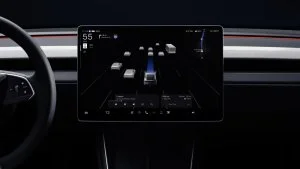
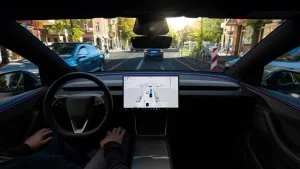
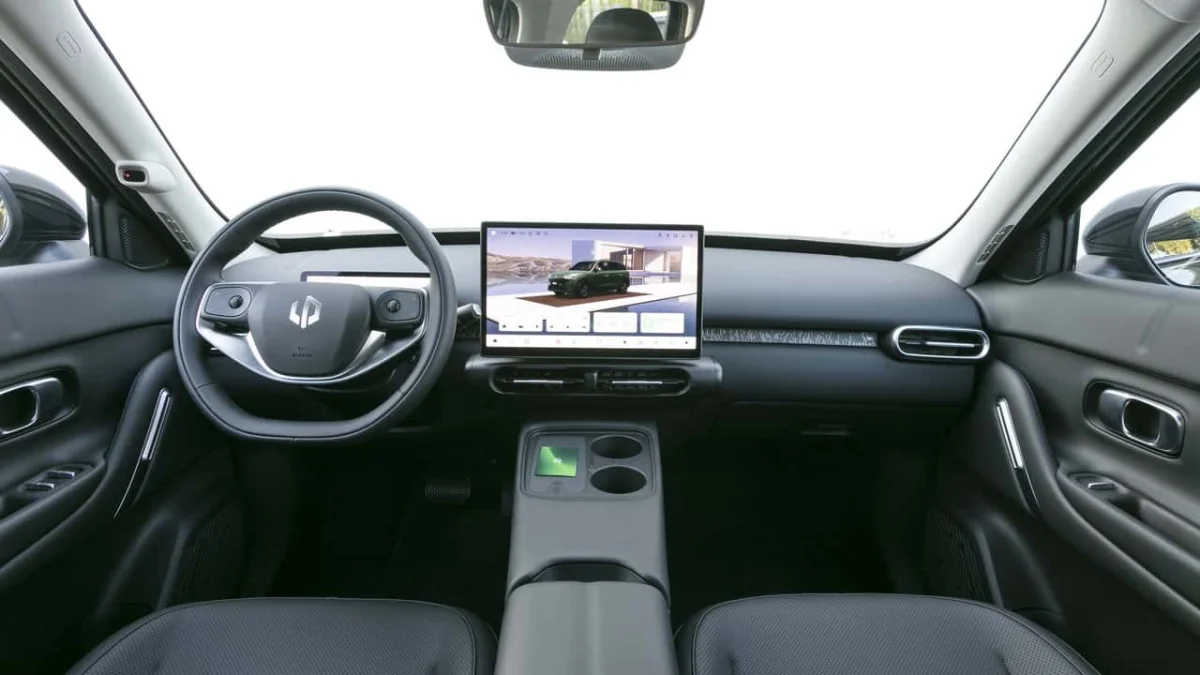
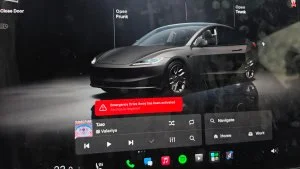
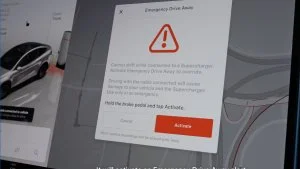
Tesla has shown the Cybercab’s customer-facing interface, suggesting that at least part of the user experience has been presented publicly. But a visible interface alone doesn’t settle who can buy the vehicle, how deliveries will work, or whether customer cars will arrive on the stated schedule. With the year nearing its end, the clearest near-term signal will be whether Tesla moves any Cybercabs from its fleet into customer hands. The longer-term question is whether factory expansion can support the much larger production target Musk has set for 2030.