McLaren’s US Grand Prix Strategy Raises Questions About Piastri’s Role
Piastri gave Norris an early pass in Austin after McLaren discussed the possibility before the race, raising questions about how the team sees its drivers.

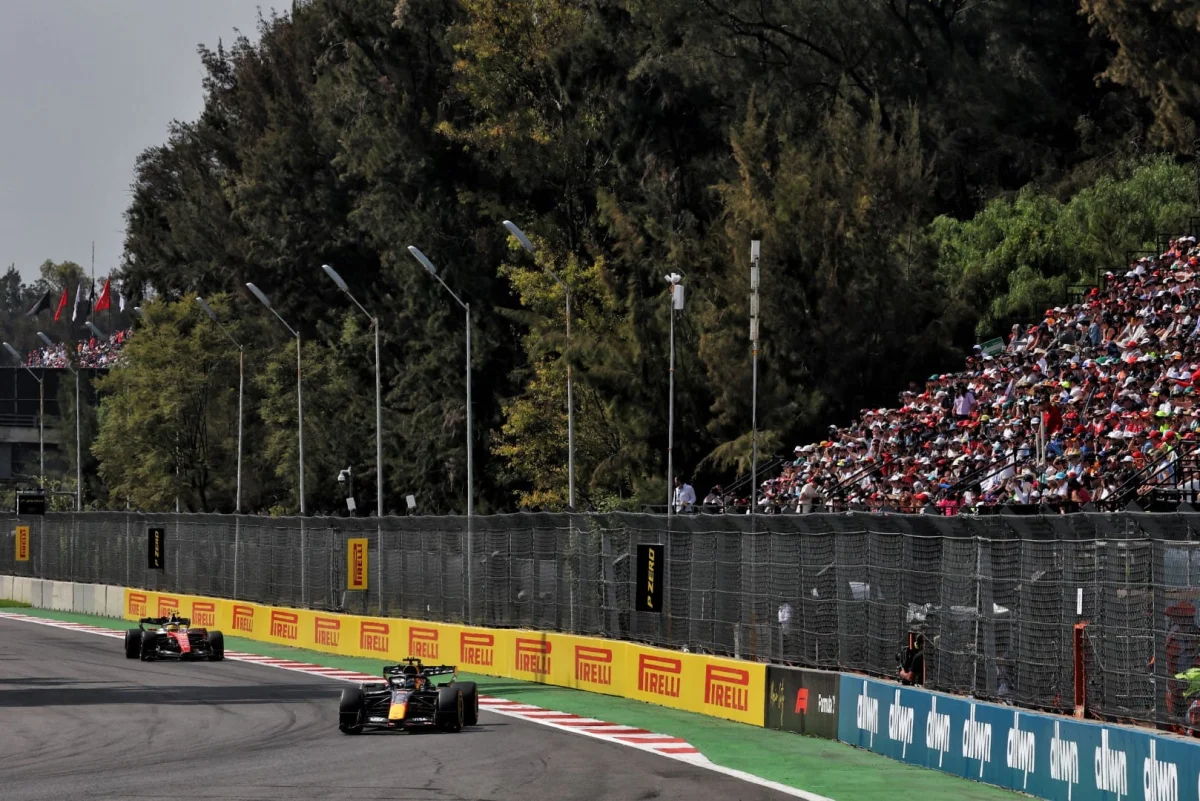
McLaren’s decision to discuss a possible early pass for Lando Norris before the United States Grand Prix says as much about Oscar Piastri’s standing in the team as it does about the race strategy. Piastri was told Norris was on a different strategy, then moved aside. Their tyre plans were nearly identical, and Norris finished 22 seconds ahead.
The result gives McLaren a practical case for its call: Norris had shown more pace over the weekend, and the team wanted to give him a chance to catch the cars ahead. But raising the possibility before the race meant Piastri’s place in the running order was already conditional on Norris’s prospects. That can be sensible in a close constructors’ battle, yet it also carries a message about whose race the team is prepared to prioritize.
Qualifying left McLaren with a decision to make
Piastri outqualified Norris, leading McLaren’s fourth-row lockout. Norris’s fastest lap would have been good enough for sixth place, but it was deleted. The starting positions therefore did not fully reflect the pace McLaren believed he had shown during the weekend.
That gap between the grid and the team’s assessment of each driver set up the early-race dilemma. Norris told McLaren he had more pace than Piastri, and the team had already considered what to do if Norris was behind. According to team principal Andrea Stella, McLaren discussed letting Norris try to attack the cars ahead if Piastri could not keep pace with them.
In the opening laps, Piastri let Norris through. The move gave Norris the opportunity McLaren had planned for, and he moved ahead after the swap. The source account describes Piastri as having no apparent objection, but a driver accepting an instruction in the moment does not settle what the decision says about the team’s expectations.
The tyre plans were close enough to invite questions
McLaren’s explanation to Piastri was that Norris was on a different strategy. In practice, both drivers started on medium tyres and switched to hard tyres only one lap apart. Piastri made his stop first, on lap 15. Those details make the strategic distinction harder to see from the outside, even if McLaren had other information behind its call.
Stella said the team had judged Norris to be a little faster over the weekend, and that the Austin circuit suited him better than Piastri. His stated aim was to create an opportunity for Norris to attack the cars in front, not simply to change the order for its own sake. The 22-second gap at the finish supports the view that Norris had the stronger race pace on the day, though it cannot show what would have happened had the drivers stayed in their original order.
That distinction matters. A team can make a reasonable call based on what it sees during a race, but a pre-race discussion turns a developing situation into an expected course of action. If Piastri had matched Norris’s pace or held position, the team might have faced a different choice. The available account does not establish what McLaren would have done in that scenario.
A useful team call, with consequences for trust
McLaren’s immediate calculation was straightforward: it needed to maximize its points while level with Red Bull in the fight for third in the constructors’ championship. Giving the driver it believed was faster a chance to gain ground was an understandable way to pursue that goal. The call also avoided waiting until the gap between the two McLaren drivers had grown, when any swap could have cost more time.
Yet there is a difference between making a call during a race and telling one driver in advance that he may need to yield. Piastri had earned the better starting position, even though Norris’s deleted lap hid some of his qualifying pace. The team’s briefing effectively treated that starting order as provisional, with Norris’s performance relative to the cars ahead set to determine whether Piastri would keep his place.
That approach may be easier for a team to manage when one driver is clearly ahead in pace or when the championship situation demands collective points. It can be more difficult for the driver asked to move aside, particularly if the reason given does not appear to match the strategy on track. Confidence in a team depends not just on whether an instruction produces a result, but on whether the driver understands the basis for it.
What the decision suggests about McLaren’s pecking order
The Austin call adds weight to the impression that Norris currently has the stronger position within McLaren. He won the championship, and the source says he has adapted more smoothly to the 2026 cars. Stella’s comments also make clear that McLaren viewed this circuit as a stronger fit for Norris than for Piastri.
That still falls short of establishing a fixed number-two role for Piastri. The account describes one pre-race plan shaped by the drivers’ weekend pace, the circuit and the constructors’ standings. A pattern across more races would offer stronger evidence of how McLaren intends to balance its drivers. For now, the clearest takeaway is narrower: in Austin, the team was willing to ask Piastri to make room before the race had begun, and it believed Norris had a better chance of moving forward.
McLaren’s next calls will show whether Austin was a track-specific judgment or part of a broader approach. For Piastri, the practical test is whether strong qualifying positions continue to count when the team expects Norris to have more race pace.