2027 Nissan Rogue Hybrid Review: Quiet e-Power Drive, Roomy Cabin and 38-MPG Rating
Nissan’s series hybrid stands out for quiet, EV-like driving and a comfortable cabin, though its 38-mpg combined rating trails the Toyota RAV4 Hybrid.
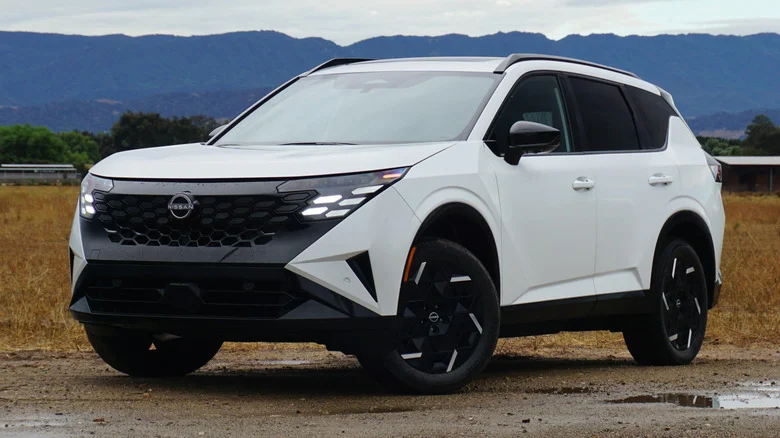
The 2027 Nissan Rogue Hybrid makes its case through a different kind of hybrid drive. Its e-Power system sends electric motors to the wheels while a gasoline engine generates electricity, giving the crossover an EV-like response without requiring a plug. On a roughly 70-mile drive in rainy Southern California, the setup felt unusually quiet and relaxed. The trade-off is a 38-mpg combined rating that trails the Toyota RAV4 Hybrid.
That contrast defines the Rogue Hybrid. It’s not the compact crossover for buyers chasing the highest fuel economy, and its soft suspension and eco-focused tires aren’t aimed at sporty driving. Nissan’s pitch is comfort: a hushed cabin, smooth acceleration, an upscale-feeling interior and standard all-wheel drive. After driving the mid-range SR Tech, the impression was of a crossover with a distinctive powertrain and a clear idea of what it wants to do well.
Electric motors do the driving
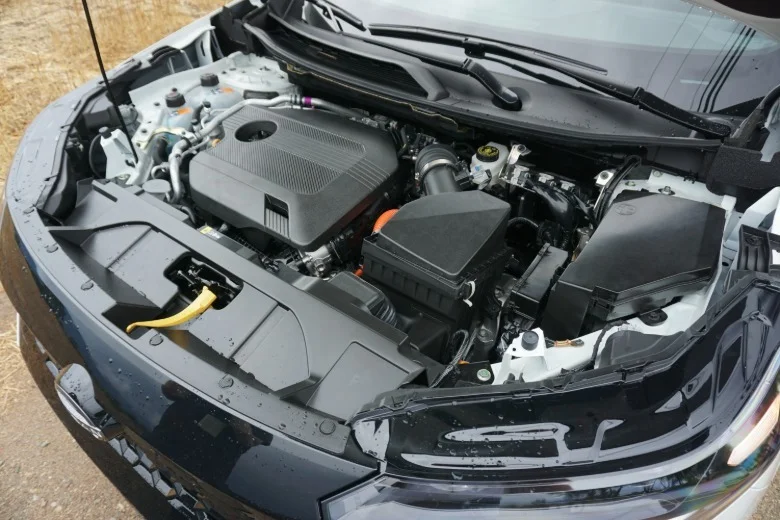
The Rogue’s e-Power layout differs from the parallel hybrid systems common in the United States. In those systems, an engine and electric motor can both help turn the wheels. Here, the 148-hp turbocharged 1.5-liter three-cylinder engine has no mechanical connection to the axles. Its job is to charge a 1.67-kWh battery, which supplies electricity to motors on the front and rear axles.
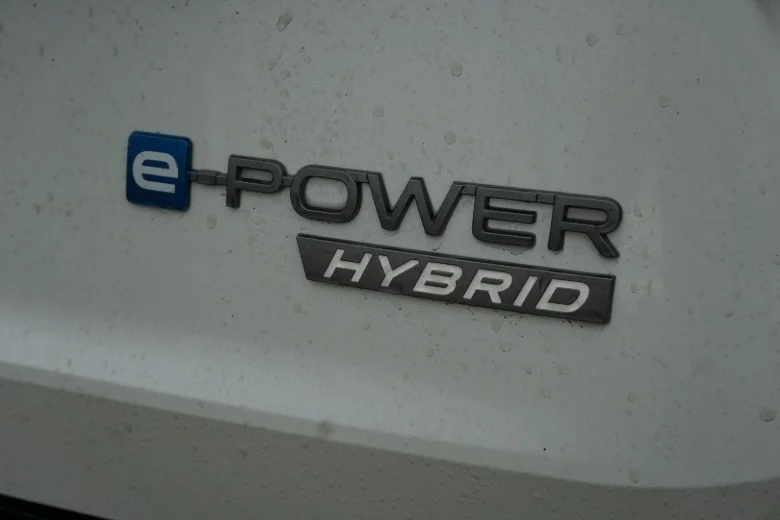
Nissan says the engine reaches 42% thermal efficiency. Though its displacement matches the engine in the conventional Rogue, the automaker says this is a different motor. The front electric motor produces 202 hp and 243 lb-ft of torque; the rear makes 134 hp and 144 lb-ft. Nissan lists total system output at 225 hp, with all-wheel drive included across the hybrid lineup.
The 4,065-pound Rogue Hybrid can reach 60 mph in 6.4 seconds, which Nissan describes as the quickest time in its class. That figure gives the crossover a brisk side to its comfort-first character. The more noticeable difference in ordinary driving, though, is how the system delivers its power: acceleration builds like it does in an electric vehicle, while the gasoline engine hums quietly in the background as it generates power.
Quiet running, with a fuel-economy trade-off
Nissan rates the Rogue Hybrid at 41 mpg in the city, 36 mpg on the highway and 38 mpg combined. Those are useful figures for a compact crossover, but they fall short of the hybrid-only Toyota RAV4’s stated 46 mpg city, 39 mpg highway and 42 mpg combined. Buyers weighing the two will have to decide how much they value the Rogue’s quieter, smoother character against the Toyota’s higher ratings.
On the road, the engine was difficult to hear most of the time. Nissan has done a good job limiting its noise, and there’s no conventional transmission or continuously variable transmission to interrupt the smooth flow of acceleration. The result feels more like a conventional EV than the familiar engine-and-motor handoff of many hybrids, though the Rogue still relies on gasoline and doesn’t offer the same fully electric operation as a plug-in vehicle.
The quietness holds up at speed, making highway cruising a particular strength. Around town, the electric motors’ immediate torque also makes it easy to pull away briskly. The Rogue even offers one-pedal driving, an unusual feature for a non-plug-in hybrid. That gives the car another point of difference for drivers who like the way an electric vehicle slows when they lift off the accelerator.
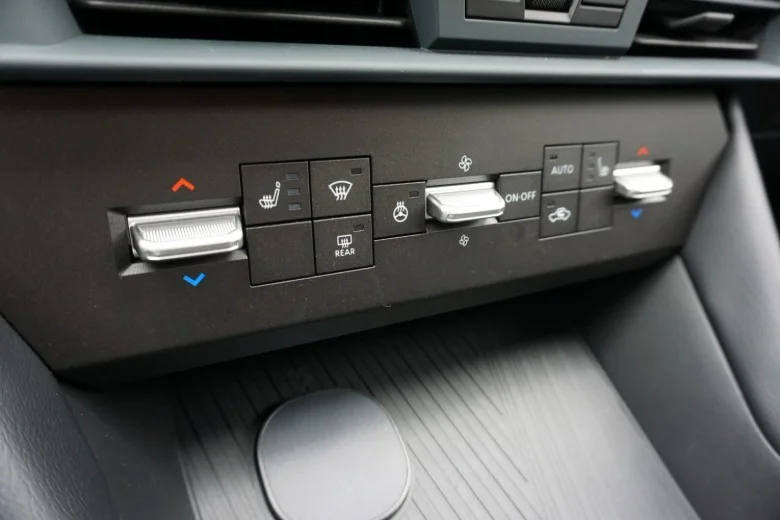
The crossover can handle a winding road, but it doesn’t disguise its priorities. There’s noticeable body roll, and the front tires tend to push wide when cornering hard. The combination of eco tires and stronger front motor favors efficiency and everyday use over sharp handling. Still, the electric torque makes exits from slower corners entertaining. It’s an enjoyable change of pace, as long as you don’t mistake the Rogue for a sports SUV.
A comfortable cabin built for everyday use
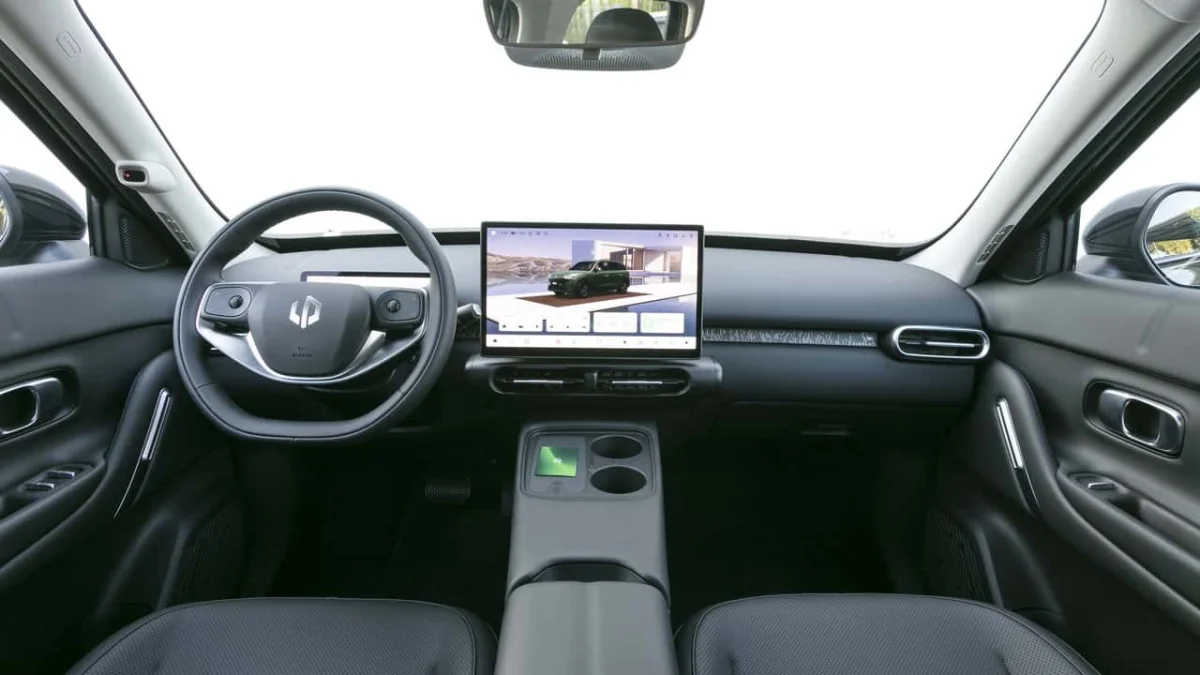
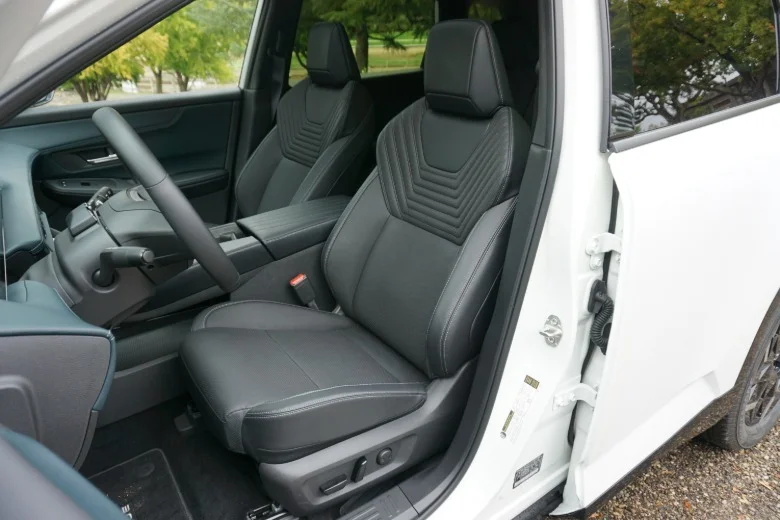
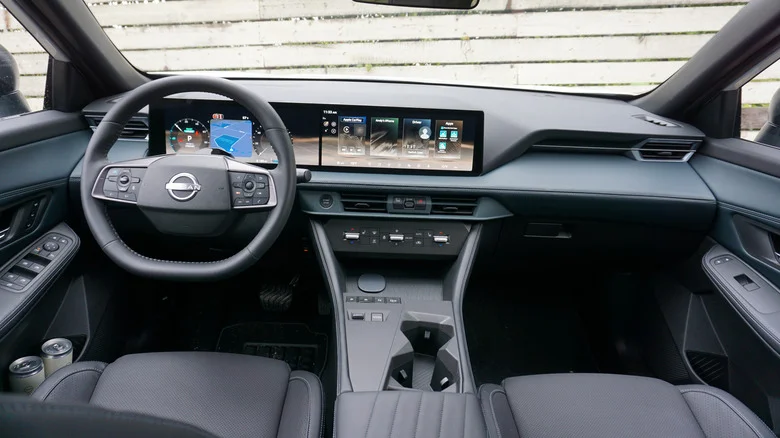
The interior makes a stronger impression than its mid-range SR Tech trim might suggest. Compared with a RAV4 Limited, the top version of Toyota’s lineup, the Nissan felt more polished during the back-to-back comparison. Soft-touch surfaces cover much of the cabin, and the harder plastics look well finished. Glossy black trim is absent, which keeps the surfaces from feeling fussy.
The seats are notably soft and comfortable, front and rear. Rear-seat space was sufficient for a 6-foot-1 driver to sit behind his own driving position, and the second row doesn’t feel like an afterthought. Cargo capacity measures 31.1 cubic feet with the rear seats upright and 65.9 cubic feet when they’re folded. Those figures make the Rogue practical for passengers and luggage, though the source provides no direct cargo comparison with rivals.
Two screens give the dashboard a modern look. The digital gauge display sits alongside a center infotainment screen listed at 12.3 inches as standard; the front displays are described as dual 14.3-inch screens. The graphics are crisp and easy to follow, and the systems ran reasonably well during the drive. Drivers can use Google built-in, including Google Maps and Google Gemini, or connect a phone through wireless Apple CarPlay or Android Auto.
A 15-watt Qi2 magnetic wireless charger is standard, and dual wireless chargers are available. Nissan’s ProPilot driver assistance features also help reduce the workload on longer drives. During the test, the system did a good job keeping the Rogue centered in its lane and maintaining distance from the vehicle ahead. The latest functions include lane changes and hands-off traffic-jam assist at speeds below 31 mph.
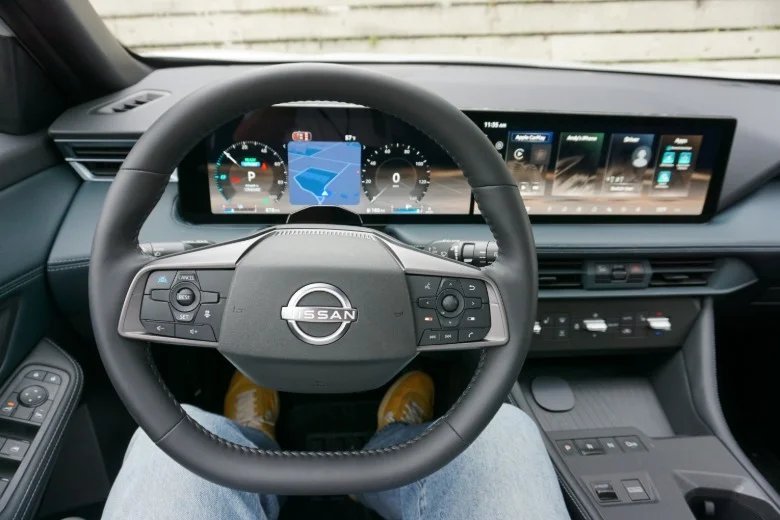
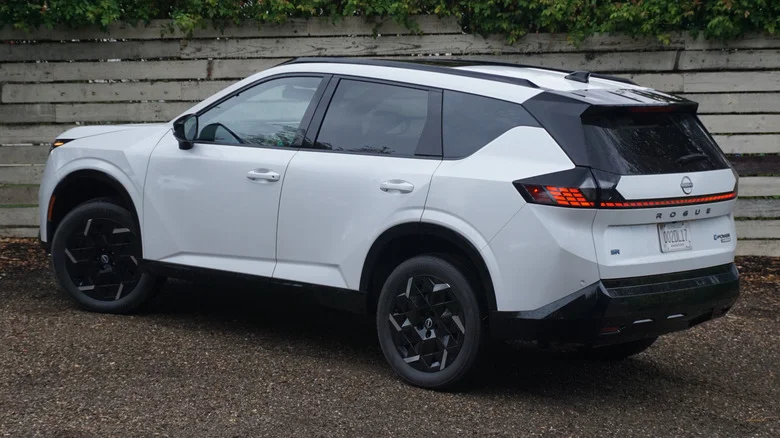
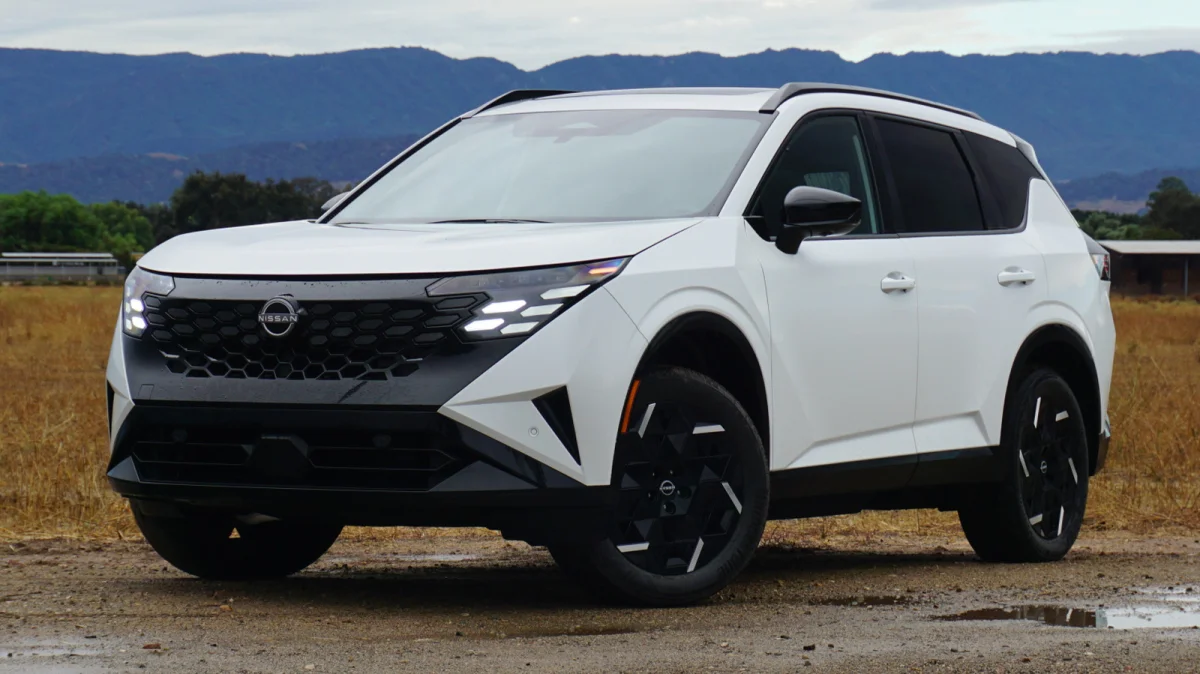
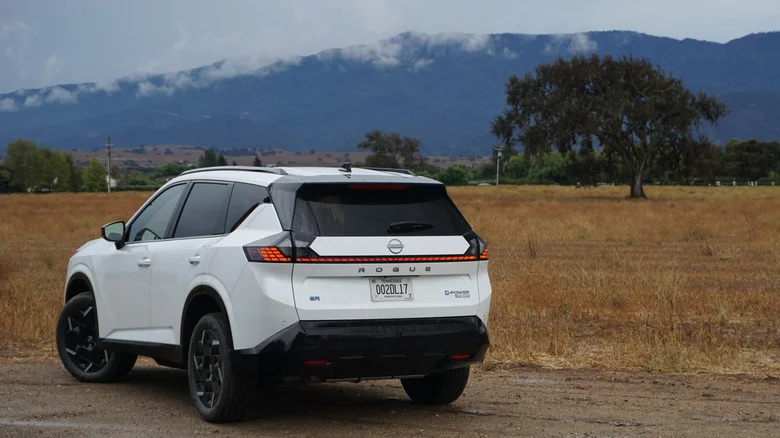
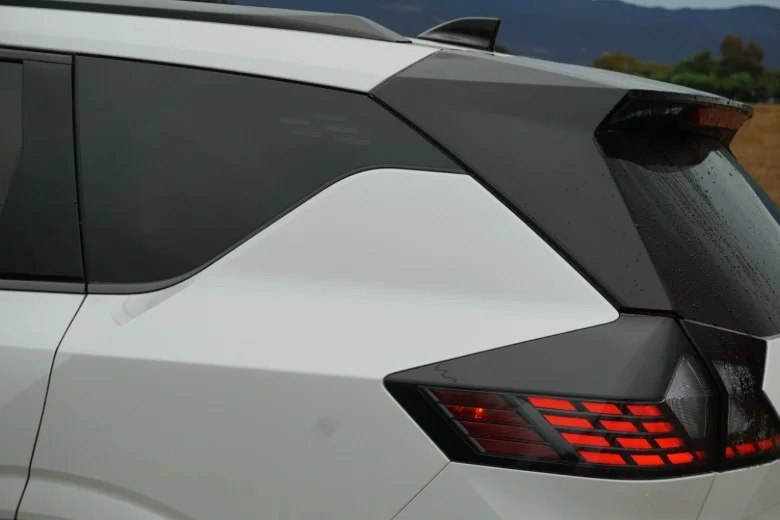
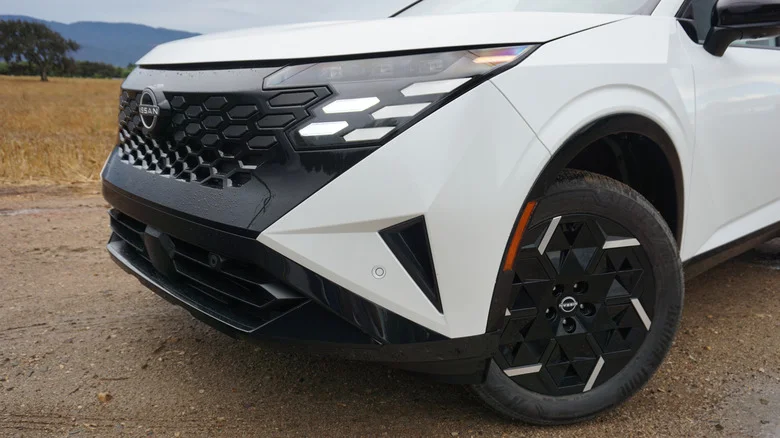
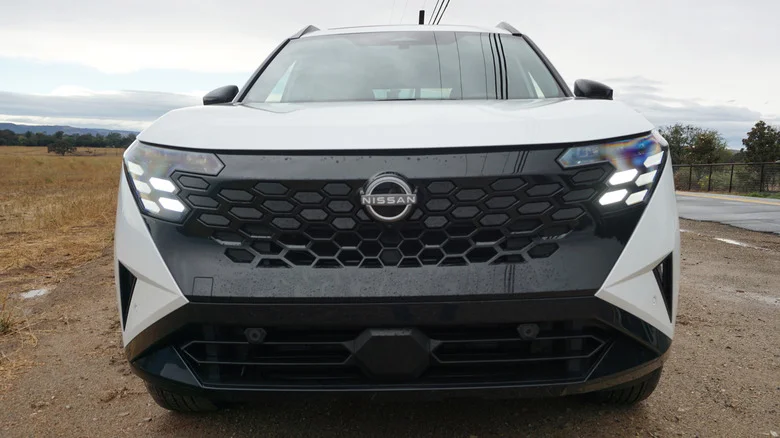
The steering wheel is an awkward note in an otherwise pleasant cabin, described as slightly too large. The exterior, meanwhile, avoids some of the exaggerated tough-truck styling that has become common among crossovers. One small design detail is the rising shape of the rear quarter panel, which Nissan says draws on the silhouette of Mount Fuji. It’s an unusual flourish on a vehicle whose wider appeal rests on restrained looks.
Four trims, starting at $37,065
The Rogue Hybrid starts at the SV trim, with a price of $37,065 including destination. The SR starts at $39,065, followed by the SR Tech at $43,065. The Platinum tops the range at $45,065. Nissan says higher trims add features such as larger screens, additional driver assistance functions, improved cameras and more premium seating materials, along with seat heating and ventilation.
The Platinum also gets a 10-speaker Bose audio system. The standard setup has six speakers and was considered adequate during the drive. With the least expensive hybrid already starting above $37,000, buyers will want to compare equipment and fuel economy closely with other compact crossovers. The source does not give prices for direct rivals, so it’s not possible to make a like-for-like price comparison here.
A new shape arrives before the gasoline Rogue
Nissan is introducing the new body style in stages. The 2027 Rogue Hybrid leads with the fifth-generation design, while the current-generation gasoline Rogue is set to continue for the 2027 model year. Nissan says a fifth-generation gasoline version is expected for the 2028 model year. That makes the hybrid an early look at the next Rogue’s shape as well as the first application of e-Power in this crossover for the U.S. market.
Nissan already sells e-Power vehicles in 68 countries, but the setup remains unusual among U.S. hybrids. Its appeal here is easy to understand: electric-motor response, standard all-wheel drive and a calm cabin, without the need to plug in. Its efficiency doesn’t lead the segment, and the chassis won’t reward drivers looking for quick cornering. For shoppers who put refinement and low-effort commuting ahead of the highest possible mpg figure, the Rogue Hybrid offers a compelling alternative to the familiar hybrid formula.